 1/2
1/2
PROMPT RECORD图像记录
🚨 主控提示词 👇 请仔细阅读! 轻松制作故事板(STORYBOARD) 将此提示词作为基础提示词 + 你附加的图片,使用 GPT IMAGE 2 生成故事板 以 4:5 竖版比例制作一张高度...
中文说明
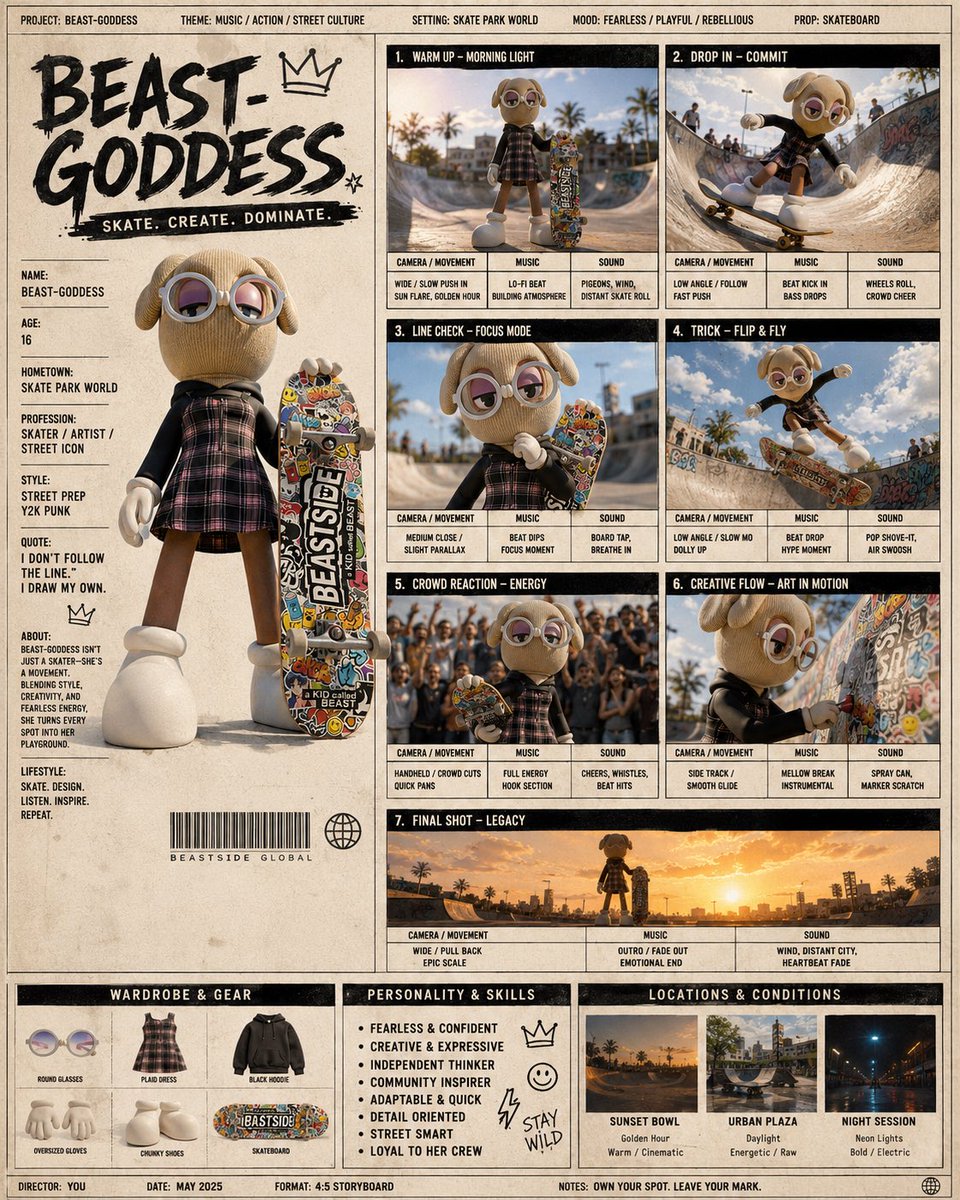
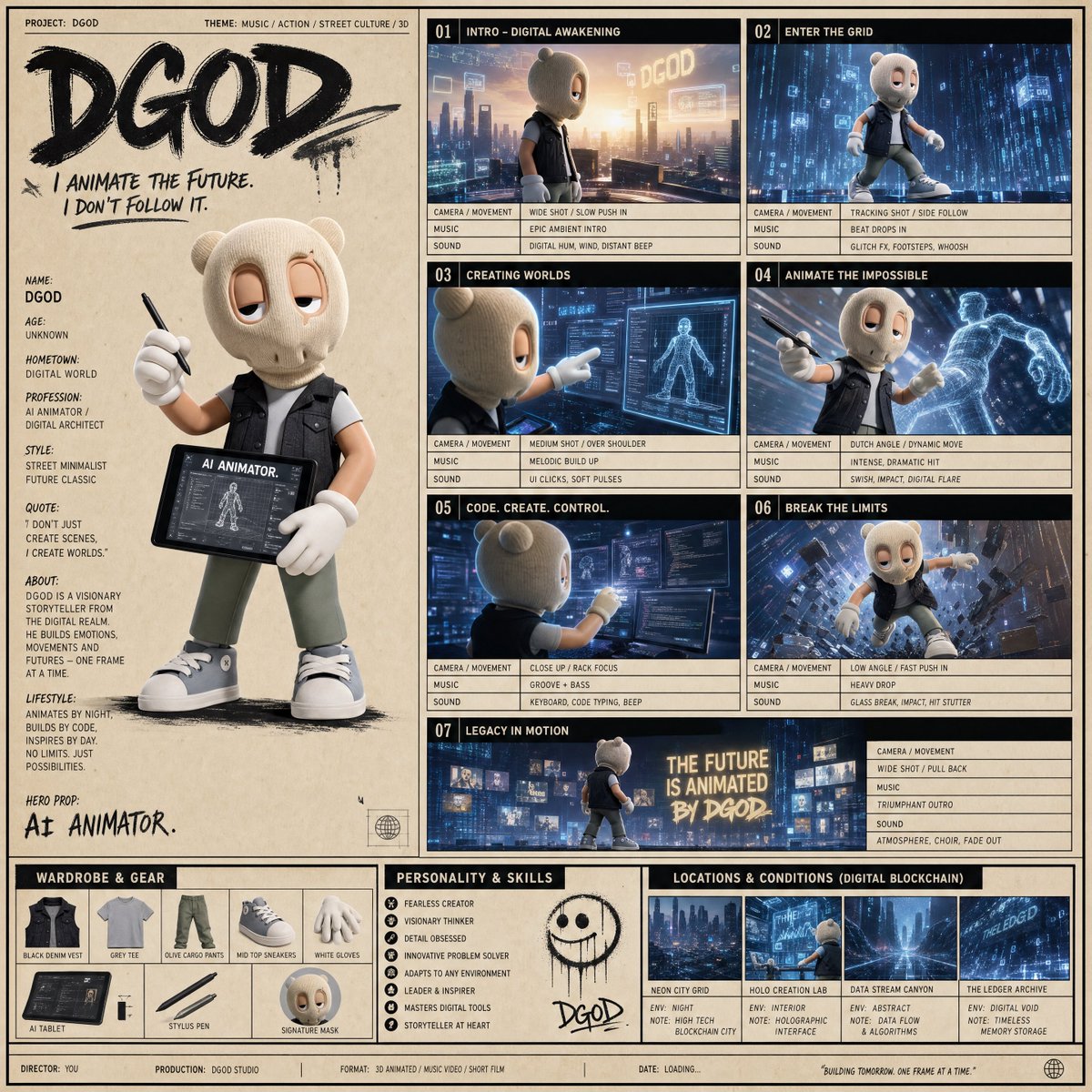
🚨 主控提示词 👇 请仔细阅读! 轻松制作故事板(STORYBOARD) 将此提示词作为基础提示词 + 你附加的图片,使用 GPT IMAGE 2 生成故事板 以 4:5 竖版比例制作一张高度精细的电影感故事板海报,设计风格类似高端编辑类角色设定表与电影筹备板。使用干净的米色纸张背景,配以细黑色网格线、黑色标题栏,以及复古杂志与电影制作美学相融合的视觉风格。整体构图必须遵循以下布局:左侧为大型竖版角色档案面板,右侧为多格故事板序列,底部为横跨全宽的信息条带。设计需精致、平衡、可读性强,具有清晰的层级、真实的光照,以及贯穿所有面板的一致角色设计。 左侧面板:展示主角的英雄姿态,顶部为大型风格化标题,其下方为简短标语,再下方为带有姓名、年龄、故乡、职业、风格、语录、简介、生活方式等标签的结构化档案部分。添加一张角色...
原始 Prompt
🚨 The Master Prompt 👇 Read carefully!

Creating a STORYBOARD made easy

Use this as your base prompt + your attached image to generate a storyboard using GPT IMAGE 2

Create a highly detailed cinematic storyboard poster in a 4:5 vertical ratio, designed like a premium editorial character sheet and film planning board. Use a clean beige paper background with thin black grid lines, black title bars, and a vintage magazine-meets-movie-production aesthetic. The composition must follow this layout: a large vertical character profile panel on the left, a multi-panel storyboard sequence on the right, and a bottom information strip spanning the full width. Keep the design polished, balanced, and highly readable, with strong hierarchy, realistic lighting, and consistent character design across all panels.

Left panel: show the main character in a hero pose with a large stylized title at the top, a short tagline beneath it, then a structured profile section with labels such as name, age, hometown, profession, style, quote, about, and lifestyle. Add a full-body or near full-body hero image of the character, with one prop that defines their identity. The typography should feel hand-drawn, bold, and cinematic.

Right side: create 6 to 7 storyboard frames arranged in a clean grid. Each frame should have a black header bar with numbered shot titles. Every frame must show the same character in a different action beat, with clear camera energy and scene progression. Under each frame, include three small text boxes labeled camera / movement, music, and sound. The shots should feel like a real production

storyboard: dynamic, expressive, and visually coherent from scene to scene.
Bottom strip: add three labeled sections across the width: wardrobe and gear, personality and skills, and locations and conditions. Use small thumbnail-style images, icons, or product-style cutouts for the wardrobe area. Keep the personality area as a bullet list with short traits. Keep the locations area as mini landscape thumbnails with concise labels and environment notes.

Style direction: cinematic commercial, premium storyboard board, urban editorial design, natural skin texture, realistic proportions, dramatic but clean lighting, cohesive color palette, high detail, sharp composition, professional print-ready finish.

Make it look like a storyboard used for a film, music video, or high-end brand campaign.

Important layout rules: preserve the same overall structure, visual balance, and ratio discipline as the reference.

Use one dominant left panel, one storyboard grid on the right, and one footer band at the bottom. Make the whole design feel like a single unified art board, not separate random panels.

FILL-IN TEMPLATE

You can swap the subject and theme like this:

Subject: [character name or type]

Theme: [sports / fashion / music / fantasy / action / luxury / street culture]

Setting: [location or environment]

Hero prop: [skateboard / microphone / motorcycle / camera / sword / sneaker / etc.]

Mood: [fearless / playful / elegant / rebellious / futuristic / heroic]

Number of storyboard shots: 6 or 7

Output format: 4:5 vertical

Negative Constraints

Add this if your generator responds better to stricter direction:

Do not make it look like a simple comic page, random collage, or messy contact sheet. Avoid clutter, extra borders, distorted anatomy, duplicated faces, unreadable text, and inconsistent character design. Keep every panel intentional, clean, and editorial.