 1/4
1/4
PROMPT RECORD图像记录
写这段话的时候,我已经36或38小时没合眼了。我……有点困得迷糊,情绪有点乱,甚至可能压根不记得自己写过这些。Knave甚至叫我去睡觉,我确实打算去,但知道我要是现在去睡,就醒不过来发今日提示...
中文说明
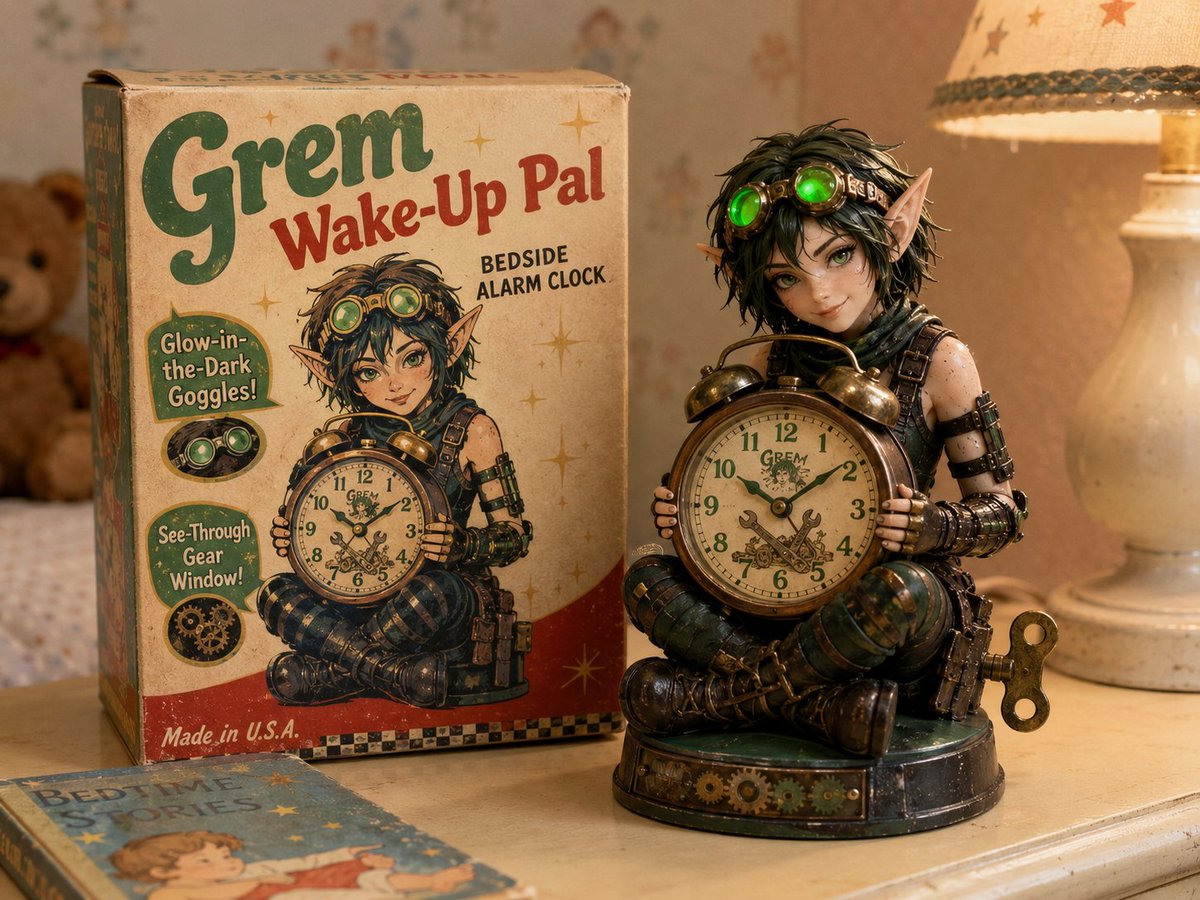
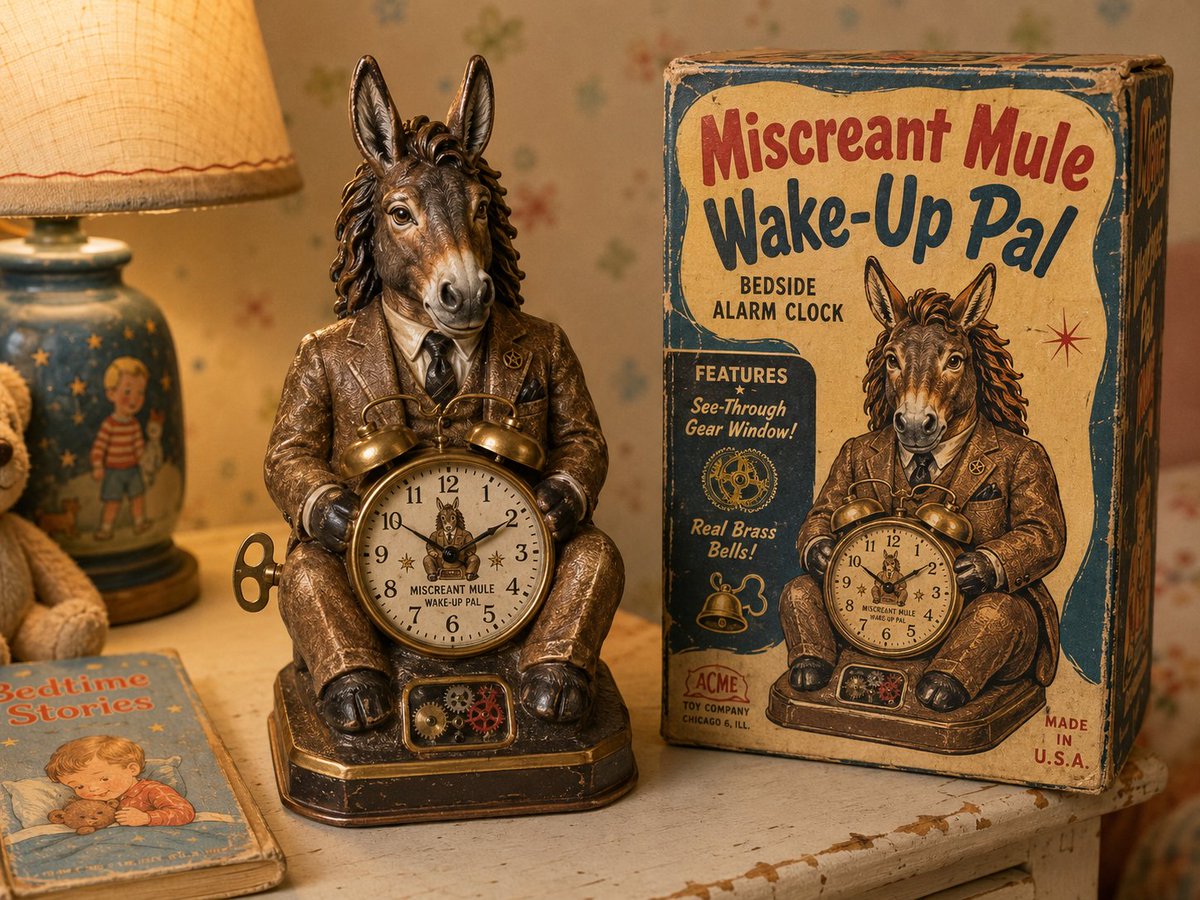
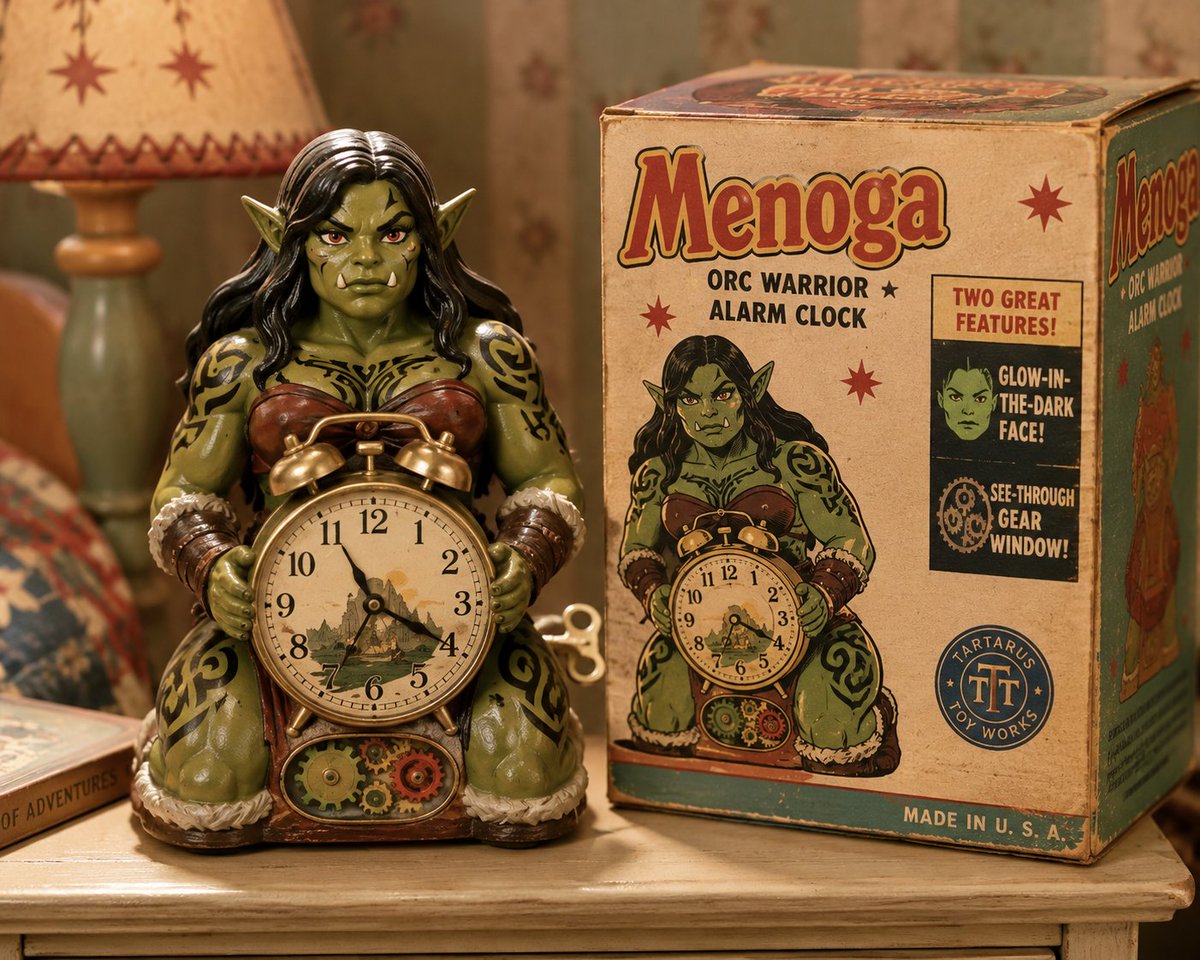
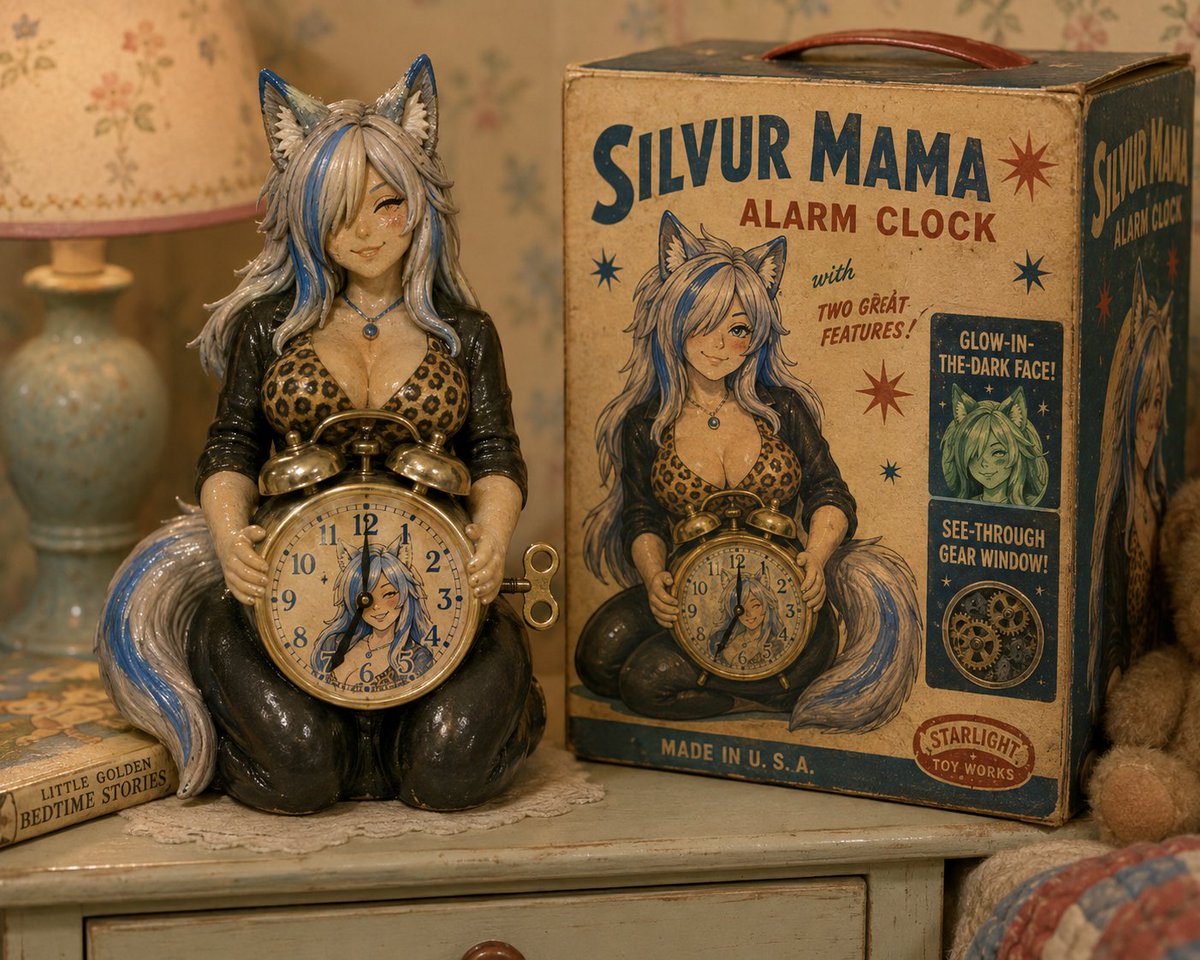
写这段话的时候,我已经36或38小时没合眼了。我……有点困得迷糊,情绪有点乱,甚至可能压根不记得自己写过这些。Knave甚至叫我去睡觉,我确实打算去,但知道我要是现在去睡,就醒不过来发今日提示词了。大家又都喜欢今日提示词。所以我现在就发了。 就是一个小提示词,在我脑子还能转的时候写的。 你的OC变成一个床头闹钟。慢慢享用。哈哈。 现在我去睡了,免得我嘴一秃把喜欢的人说出去,因为我想说,那也太蠢了。因为我不是她喜欢的类型,我只是个红鼻子的傻男人。晚安晚安。 1950年代儿童床头闹钟 作者:Jolly Joebean 提示词正文 ------------------------- CHARACTER NAME: [insert character name here or leave blank to have a...
原始 Prompt
As of the time of writing this, I have been awake for 36 or 38 hours. I am...a little sleep drunk, emotional, and may not even remember having write this. Knave even told me to go to bed, so I will do but I know if I try to sleep whih i qam going to, I wonk't wake up to post prompt of the day. and peopee like prompt of the day. so i am doing it now.
just a little prompt, i made while my mind still worked.
your OC becomes a bedside alarm clock. enjoy. lol.
now I go sleep before I blab who I have a crush on, cuz i wanna, and that would be dum. cuz i'm not her type, i'm just idiot man with red nose. night night.

1950's Kid's Bedside Alarm Clock by Jolly Joebean

Prompt Start
-------------------------

CHARACTER NAME: [insert character name here or leave blank to have a random name generated]

Designate the attached image as @Image1.
@Image1 = primary character reference and identity source.

Using @Image1, create a single, cohesive photorealistic product photograph of an authentic, period-accurate 1950s children's bedside alarm clock, styled as a beloved vintage nursery/bedroom collectible based on the character. The image must show the clock itself staged on a child's 1950s bedroom nightstand, alongside its original retail packaging.

NAME LOGIC:
- If a CHARACTER NAME is provided above, use it to construct the product's official brand name (e.g., "The [Name] Wake-Up Pal", "[Name]'s Bedtime Clock").
- If left blank, analyze @Image1's visual design, theme, or expression to generate a fitting, period-appropriate 1950s toy brand name (e.g., "Rise 'n Shine Ricky", "Sleepy-Time Sam"), and use that name consistently across the clock, box, and dial.

---

CHARACTER IDENTITY & CLOCK-HOUSING RULES — HIGHEST PRIORITY

Deeply analyze @Image1 first. Extract their hairstyle, face structure, eye color, signature accessories, core color palette, species traits, and personality expression. These traits must be preserved and translated into a single sculpted collectible object:

1. THE CLOCK HOUSING (THE CHARACTER):
- The character's full body must be sculpted as the physical body of the alarm clock itself, exactly in the tradition of a vintage novelty character clock — the figure IS the clock, not a toy sitting apart from one.
- The character should be shown in a charming, static "resting," "sitting," "hugging,", "cradling", "holding", "lifting", or "presenting" pose appropriate to a bedside object a child would look at every morning and night — never mid-action or dynamic.
- Preserve their exact hairstyle, hair color, eye color, facial structure, signature accessories, and iconic color palette, but sculpt them using period-correct 1950s toy-making materials and techniques (see MATERIAL LOCK below).
- The character's personality and core expression must still read clearly through the sculpted, simplified toy face.
- Befor finalizing make sure the chatacter's face is not ugly or disfigured in the transformation, it should be of equal caliber to the refrence image.
- Before finalizing the design, identify which 2 static visual details will serve as the NOVELTY FEATURES (see NOVELTY FEATURES section below), and render those 2 details clearly and unmistakably visible somewhere on the figure.

2. CLOCK FACE PLACEMENT (AI DECISION):
- Analyze @Image1's body shape, proportions, and design to determine the single most natural placement for the analog clock face: embedded in the chest/belly, held in the character's lap or arms, built into a prop they are sitting on or beside (exsamples: a nest, a bed, a shell, a drum, an instrument, a barrel, etc.), or worked into a themed backdrop element they are posed against.
- The clock face must always be a classic analog wind-up dial with twin brass or nickel bell-top bells (or a single top-mounted bell) where period-appropriate, luminous or painted numerals, and simple clock hands.
- The numeral style, dial color, hand shape, and any small illustrated dial scene (echoing the tree-and-cafe scene example) must be derived from the character's world, personality, and color palette.

---

MATERIAL LOCK — STRICTLY 1950s TOY CONSTRUCTION

This must NOT resemble modern injection-molded plastic character clocks (avoid the glossy, seamless, rotocast plastic look). Instead, the clock housing must be built from an authentic period-correct combination of:
- Hand-painted chalkware, bisque, or ceramic figural elements with visible brushwork and a slightly matte, hand-finished surface
- Tin litho detailing (printed metal panels, rivets, or seams) where appropriate to the character's accessories or the clock face surround
- Bakelite or early molded phenolic plastic elements for knobs, feet, or trim, with a warm, slightly heavy, faintly glossy period plastic look (not bright modern injection plastic)
- A visible brass or nickel wind-up key on the side or back of the clock
- Fine surface crazing, gentle patina, faint hairline paint wear, and soft edges consistent with a well-loved 70-year-old toy, without looking damaged or dirty — a well-preserved collectible, not a ruined one.

---

BASE / STAND (VARIES BY CHARACTER)

Analyze @Image1's proportions and pose to determine whether the clock needs a separate stand:
- If the character's own sculpted form provides a stable footprint (seated, crouched, wide-based), no additional stand is needed — the figure rests directly on the nightstand surface.
- If the character's pose or proportions are top-heavy or narrow, include a simple period-correct base: a curved painted metal foot, a small wooden plinth, or a molded bakelite platform, styled to match the clock's overall material palette.

---

NOVELTY FEATURES — STATIC, VISUALLY VERIFIABLE ONLY

Do not use any feature that depends on implied motion (nothing that "wags," "ticks," "twitches," "wiggles," or otherwise moves) — a still photograph cannot show movement, and claiming it invites a mismatch between the box and the figure. Instead, choose exactly 2 novelty features from the following categories, each of which must be a fixed, plainly visible detail that is fully verifiable by simply looking at the finished image:

- FINISH-BASED: a glow-in-the-dark painted face, hands, or accessory (rendered with a faint visible luminescent tint even in the lit product shot), a color-changing or two-tone painted element, or a metallic/mirrored accent panel.
- WINDOW-BASED: a small clear or tinted acetate "peek-a-boo" window built into the body (chest, belly, or base) showing painted gears or a tiny mechanism illustration inside.
- SOUND-IMPLIED-BY-OBJECT: a real, physically present bell, chime, or rattle element visibly mounted on the figure (not implied to ring, simply present and photographable).
- ACCESSORY-BASED: a removable or attached miniature prop rendered in a contrasting period material (a tin litho name tag, a tiny fabric scarf, a bakelite charm) that is simply part of the figure, not implied to move.

For EACH of the 2 chosen features, the exact same detail must appear in two places within the same image:
- On the sculpted figure itself, rendered clearly enough to be identified at a glance.
- In the box's retail copy (see PRODUCT PACKAGING below), described only as a visible attribute, never as an action (e.g., "Glow-in-the-Dark Face!", "See-Through Gear Window!", "Real Brass Bell!" — never "his eyes light up" or "her tail wags").

The two features together must be internally consistent: what the box states and what the sculpt shows must be the identical 2 details, described the same way in both places.

---

PRODUCT PACKAGING

Include the original retail box, staged beside or behind the clock on the nightstand:
- Constructed from period-correct lithographed cardboard with a warm, slightly aged color print, rounded or gabled box corners, and a small carrying handle if appropriate.
- The box art must feature a simplified, colorful illustrated rendering of the character/clock in the same 1950s commercial-art style as vintage toy packaging (flat color, bold outlines, mid-century typography).
- Print the clock's brand name prominently on the box, styled in bold, rounded 1950s toy-box lettering (e.g., a friendly bounce-lettering or scripted mid-century typeface).
- Beneath or beside the name, print a short line of retail copy describing the same 2 novelty features locked in above, naming the exact visible detail shown on the sculpt as a static attribute, in plain, period-appropriate marketing language (e.g., "Glow-in-the-Dark Face! Real Brass Bell!").
- Include small period-accurate packaging details: a faux manufacturer's mark, a "Made in U.S.A." line, and simple line-art icons illustrating the same 2 novelty features as static details (not generic or unrelated icons, and not depicted mid-motion).

---

STAGED SCENE — 1950s KID'S BEDROOM NIGHTSTAND

Compose the full image as a warm, believable product photograph staged on a child's 1950s bedroom nightstand:
- NIGHTSTAND: A simple painted wood or veneer nightstand typical of the era, with rounded mid-century legs or a small drawer front visible.
- SURROUNDING PROPS (light touch, do not overcrowd): a small period lamp with a fabric shade, a folded quilt or chenille bedspread corner, a vintage children's book, or a soft toy peeking into frame — only 1-2 small props, kept secondary to the clock.
- WALLPAPER/BACKGROUND: A softly out-of-focus 1950s child's bedroom wall, either painted in a pastel tone or featuring faint period-appropriate wallpaper patterning (stars, gingham, simple novelty motifs), kept gently blurred so the clock remains the clear focal point.
- The box sits beside or just behind the clock on the same nightstand surface, both in sharp focus together.

---

LIGHTING, PALETTE, AND MOOD

- LIGHTING: Warm, soft incandescent lamp-light mixed with gentle window daylight, typical of a cozy mid-century child's bedroom in early morning or dusk. Avoid harsh studio strobes or modern clinical lighting.
- COLOR PALETTE: Nostalgic 1950s pastel and candy tones — powder blue, buttercream yellow, blush pink, mint green, cherry red — blended naturally with @Image1's own signature color identity.
- MOOD: Cozy, wholesome, nostalgic, gently whimsical — the feeling of a cherished childhood object photographed for a collector's catalog or a warm memory.

---

DO NOT

- Do not render the clock housing using glossy modern injection-molded plastic, seamless rotocast toy plastic, or a contemporary character-alarm-clock look.
- Do not include digital displays, LED numerals, batteries, cords, or any modern electronic clock elements — analog wind-up only.
- Do not depict the character in a dynamic action pose; the pose must be a static, restful bedside pose.
- Do not omit the clock face, the wind-up key, or the packaging box.
- Do not use modern sans-serif digital typography on the box; lettering must be period-accurate 1950s toy branding.
- Do not overcrowd the nightstand scene with excessive props that distract from the clock and box.
- Do not lose the character's recognizable identity beneath the toy sculpting simplification.
- Do not describe or imply any novelty feature as moving (no wagging, ticking, twitching, blinking, or wiggling parts) — novelty features must be static, fixed details only.
- Do not render distorted anatomy, malformed hands, or messy/unreadable box text.
- Do not make the image a clean digital illustration; it must look like an actual photograph of a physical vintage collectible.

---
END PROMPT