 1/4
1/4
PROMPT RECORD图像记录
为每个场景分别创建一张海报。单独输出每张海报——切勿合并场景或制作拼贴画。 格式 采用严格的 4:5 竖版构图。整个画面以带有细微纤维、自然纹理、轻度磨损和哑光触感质感的暖米色做旧纸张覆盖。保...
中文说明
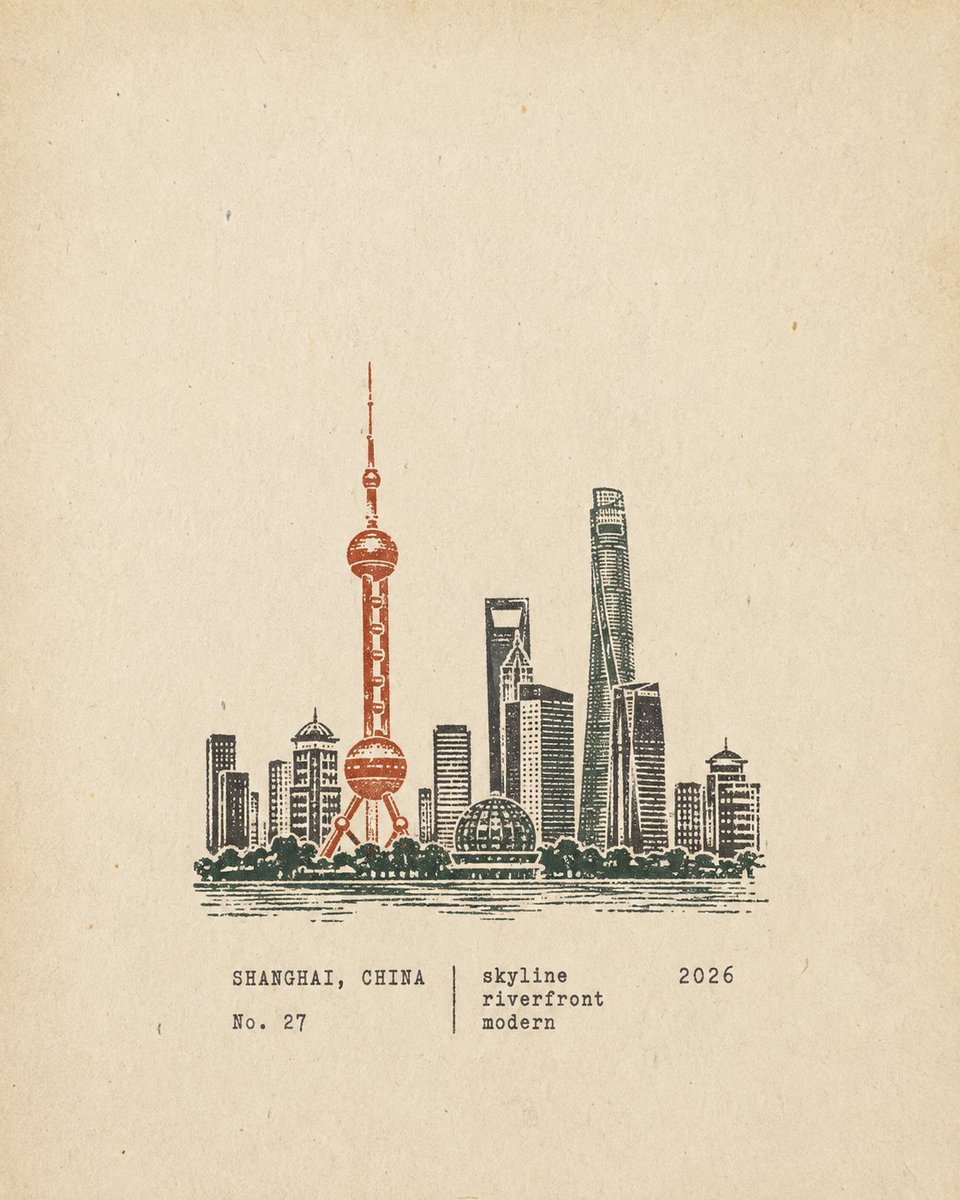
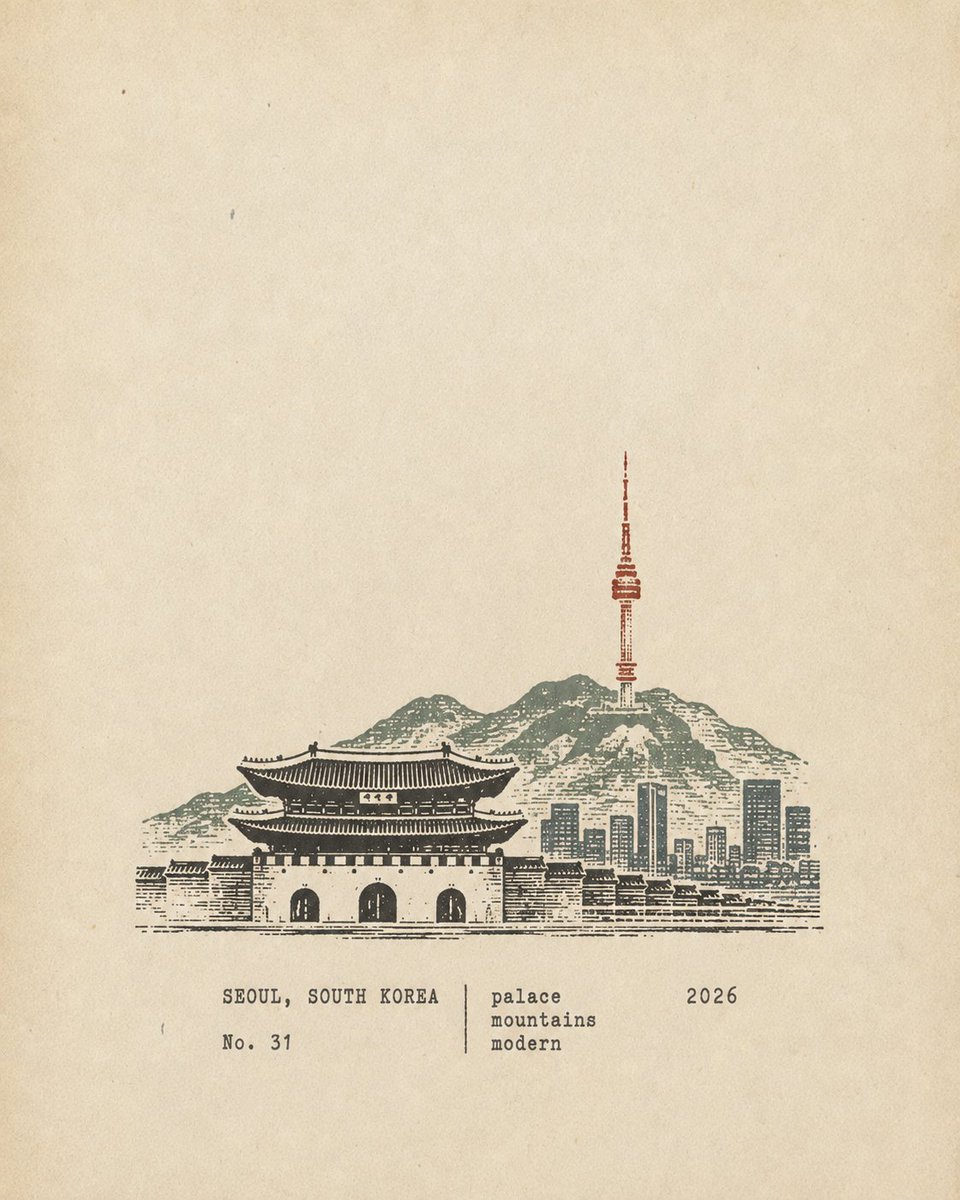
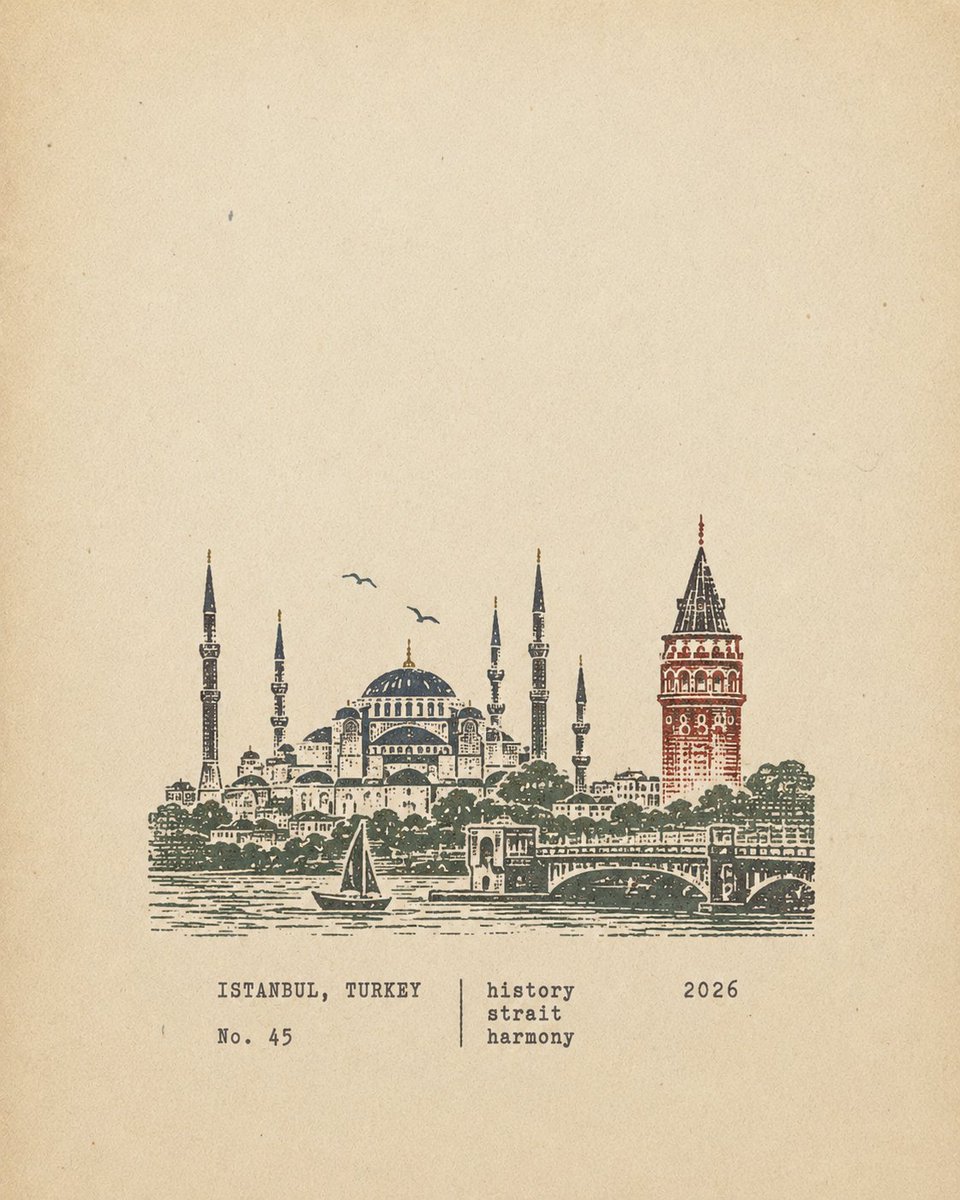
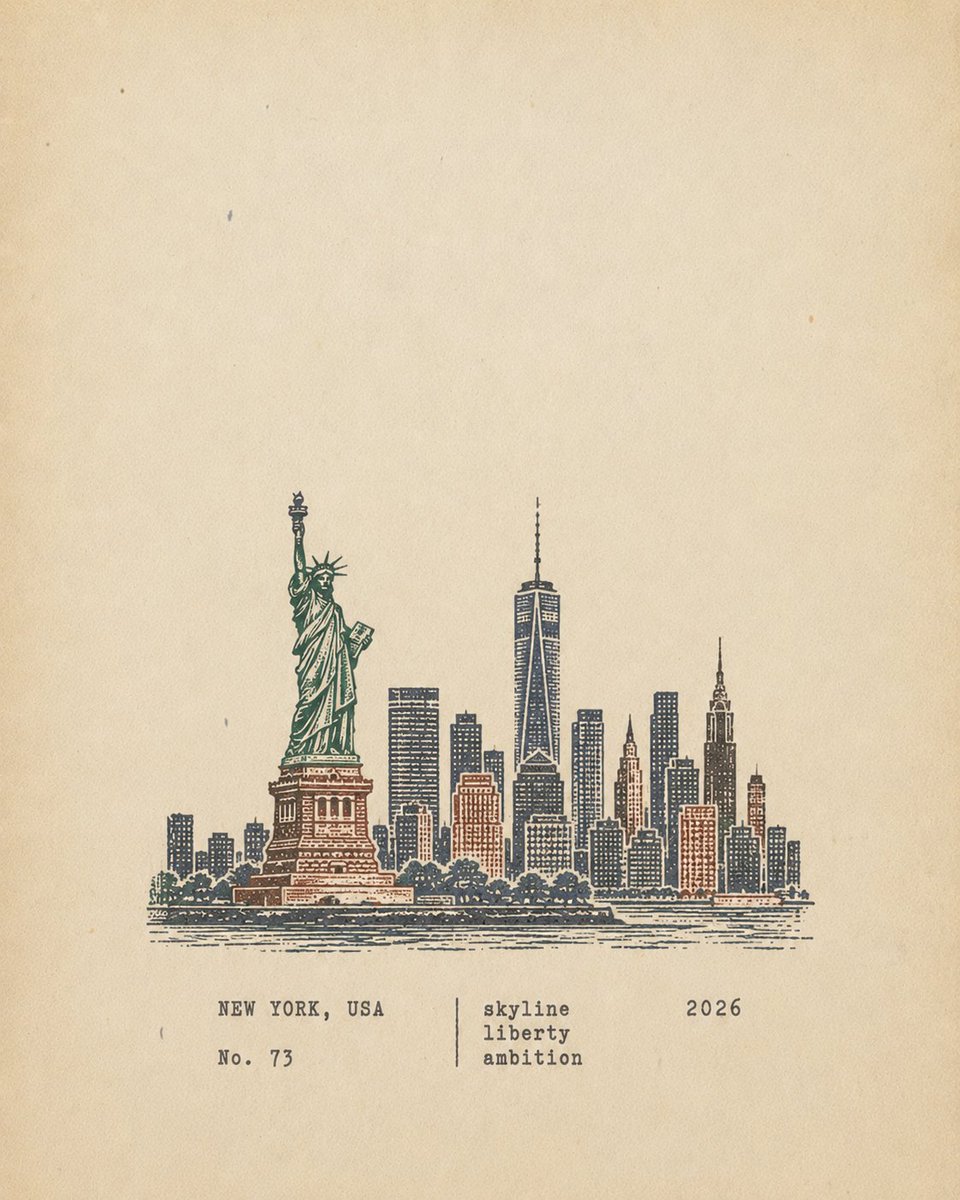
为每个场景分别创建一张海报。单独输出每张海报——切勿合并场景或制作拼贴画。 格式 采用严格的 4:5 竖版构图。整个画面以带有细微纤维、自然纹理、轻度磨损和哑光触感质感的暖米色做旧纸张覆盖。保留大量留白。 印章图案 创建一个紧凑的多色雕版橡胶印章,描绘该地点最具辨识度的特征:独特的建筑、山脉、地形、植被、道路、海岸线、天际线或主要前景轮廓。 进行大幅简化。仅保留能够一眼识别该地点和场景所需的视觉信息。去除人群、车辆、重复的窗户、密集的建筑、零碎的植被、装饰性细节以及无关的背景元素。 将印章放置在中下方,占画面高度的约 30–38%,周围保留充足的留白。保持紧凑、克制——不是完整的风景插画、绘画、徽标或超大的图形。 根据场景自然适配构图: 建筑:独特的轮廓、屋顶、穹顶、拱门、塔楼和主要结构。 山地聚落:沿地形排列...
原始 Prompt
Create one separate poster for each scene. Output each poster individually—never combine scenes or create a collage.

FORMAT
Use a strict 4:5 portrait composition. Cover the entire frame with warm off-white aged paper featuring subtle fibers, natural grain, light wear, and a matte tactile texture. Preserve generous blank whitespace.

STAMP ARTWORK
Create a compact multi-color carved rubber stamp depicting the most recognizable features of the location: distinctive architecture, mountains, terrain, vegetation, roads, shorelines, skyline, or key foreground shapes.

Simplify aggressively. Keep only the visual information needed to instantly recognize the place and scene. Remove crowds, vehicles, repetitive windows, dense buildings, fragmented vegetation, decorative details, and irrelevant background elements.

Place the stamp in the lower-middle, occupying about 30–38% of the frame height, with ample whitespace around it. Keep it compact and understated—not a full landscape illustration, painting, logo, or oversized graphic.

Adapt the composition naturally:

Architecture: distinctive silhouettes, roofs, domes, arches, towers, and main structures.

Mountain settlements: simplified terraced buildings following the terrain.

Coastal scenes: mountains, settlement layers, shoreline, and sparse water marks.

City panoramas: main skyline, one iconic structure, and distant mountains.

Natural landscapes: primary mountains, trees, shorelines, and road directions.

INK & TEXTURE
Use 2–4 muted spot colors, inspired by the scene, such as carbon black, deep green, brick red, ochre, slate blue, or taupe.

Give each color a separate hand-stamped layer with authentic carved-rubber imperfections: engraved marks, uneven lines, chipped edges, dry-ink gaps, paper show-through, granular ink, uneven pressure, ghosting, and subtle 1–2 mm misregistration.

The result must feel like a real rubber stamp pressed onto aged paper, never a smooth vector graphic, filtered image, or digital logo.

TYPOGRAPHY
Generate:

Location: English name

No. [number]

Three short English keywords

Year: 2026

Place the text below or beside the stamp in the whitespace. Use a small, restrained, slightly imperfect typewriter-style font. Keep it minimal, accurate, and documentary.

MOOD
Quiet, tactile, restrained, regional, observational, and collectible—like field notes created by an architect, travel writer, or natural observer.

AVOID
Circular seals, Chinese red stamps, postage perforations, wax seals, stickers, souvenir templates, generic city icons, smooth vector logos, cartoon styles, 3D rendering, glossy gradients, plastic textures, oversaturation, excessive detail, excessive text, and decorative clutter.