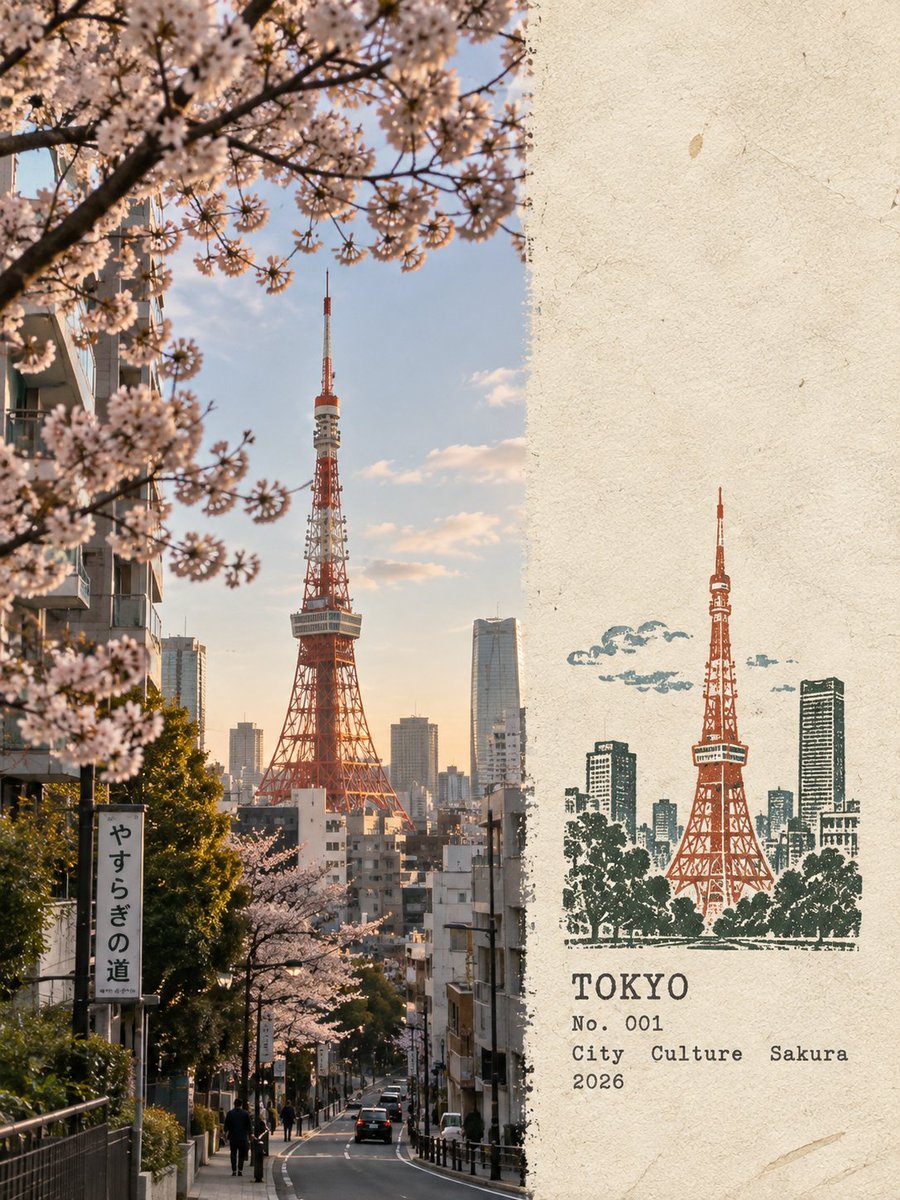
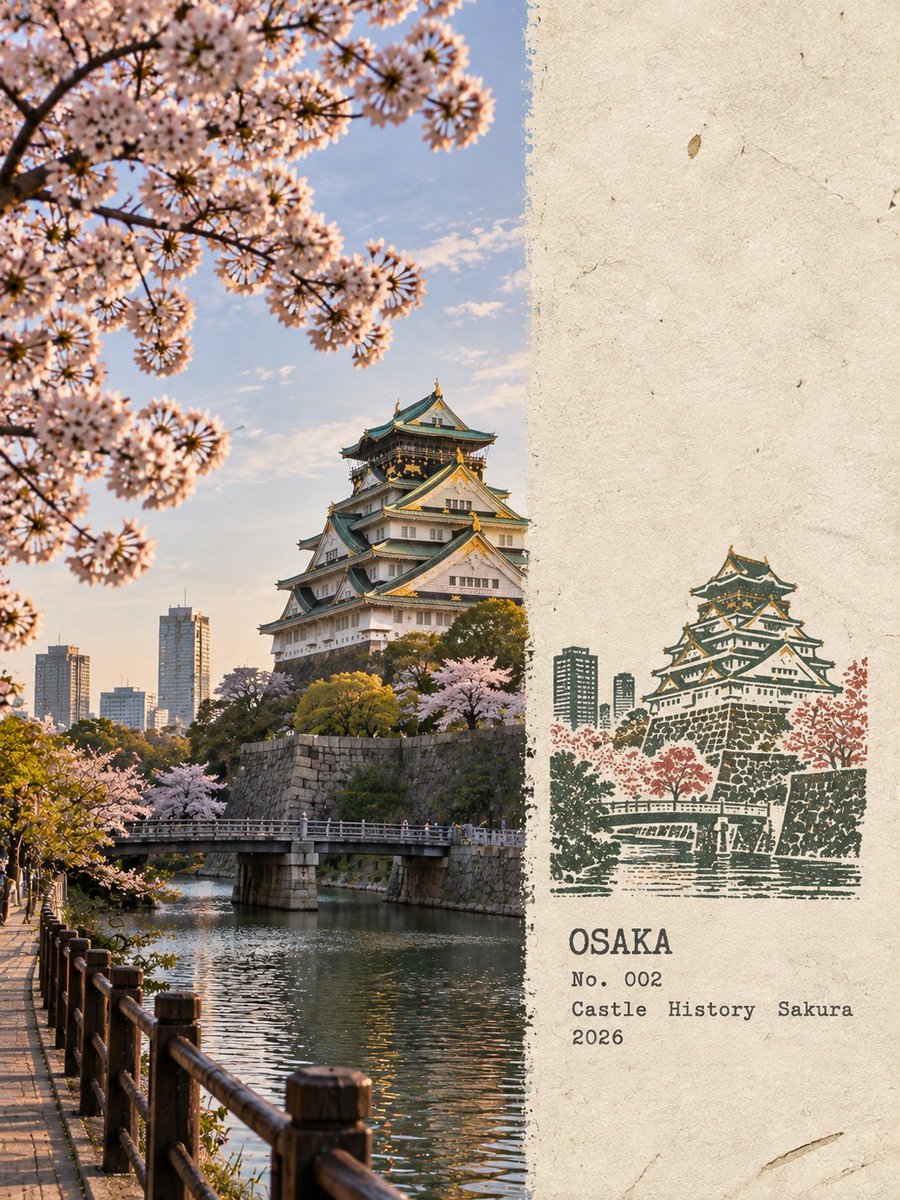
 1/2
1/2
PROMPT RECORD图像记录
由 GPT image 2 创建 提示词 为每张上传的照片分别制作一张独立的“旅行田野笔记”海报,绝不要将多张照片合并成拼贴画。采用 3:4 的竖向构图,原始照片约占画面的 58%,温暖的、略...
中文说明
由 GPT image 2 创建 提示词 为每张上传的照片分别制作一张独立的“旅行田野笔记”海报,绝不要将多张照片合并成拼贴画。采用 3:4 的竖向构图,原始照片约占画面的 58%,温暖的、略带陈旧感的纸张底纹占剩余的 42%,两者自然融合,不出现可见的分隔线。保持照片高度真实且忠实于原片,保留主体、建筑、风景、植被、人物、比例、透视、光线、阴影、质感以及原有的氛围,仅进行细微的编辑性调色并加入细腻的胶片颗粒感;不得重绘、替换、扭曲或重新定位重要元素。在纸张一侧,留出充足的空白,并制作一个紧凑的、仅受照片中最具辨识度的视觉特征启发的地方专属橡皮印章,例如地标轮廓、屋脊线、天际线、山形、海岸线、道路走向、树木或其他具有定义性的形态。要对场景进行简化而非全部再现,去除人群、汽车、重复的建筑、小窗户、杂乱元素和不重要...
原始 Prompt
Created with GPT image 2

Prompt

Create one individual “Travel Field Notes” poster for each uploaded photo, never combining multiple photos into a collage. Use a 3:4 portrait composition with the original photograph occupying roughly 58% of the frame and a warm, slightly aged paper field filling the remaining 42%, blending naturally without a visible dividing line. Keep the photograph highly realistic and faithful to the source, preserving the subject, architecture, landscape, vegetation, people, proportions, perspective, lighting, shadows, textures, and original atmosphere, with only subtle editorial color correction and fine film grain; never redraw, replace, distort, or reposition important elements. On the paper side, leave generous empty space and create a compact location-specific rubber stamp inspired only by the most recognizable visual features of the photograph, such as a landmark silhouette, roofline, skyline, mountain contour, shoreline, road direction, trees, or other defining forms. Simplify the scene rather than reproducing everything, removing crowds, cars, repetitive buildings, tiny windows, clutter, and insignificant details. Keep the stamp relatively small, around 30–38% of the paper section’s height, and place it toward the lower-middle area with plenty of breathing room. Build the stamp from 2–4 muted spot colors naturally sampled from the original scene, such as charcoal, forest green, faded brick, ochre, slate blue, or earthy brown, using authentic carved-rubber printing characteristics including rough engraved marks, irregular edges, uneven pressure, broken ink coverage, paper show-through, granular pigment, tiny imperfections, ghosting, and subtle layer misregistration. The result should feel physically stamped onto real fibrous paper rather than digitally illustrated. Add restrained typewriter-style field-note typography near the stamp containing the location’s English name, a small numbered entry, exactly three concise English keywords describing the place, and the current Gregorian year, with accurate spelling and no slogans or unnecessary decoration. The final aesthetic should resemble a quiet archival travel record made by an architect, explorer, or observant traveler: tactile, understated, authentic, collectible, and strongly connected to the actual location. Avoid obvious panel borders, hard dividing lines, circular seals, postage perforations, wax seals, souvenir-card layouts, generic icons, polished vector graphics, cartoon styling, 3D effects, glossy gradients, excessive saturation, dense illustration, decorative clutter, or any alteration of the original photograph.