 1/4
1/4
PROMPT RECORD图像记录
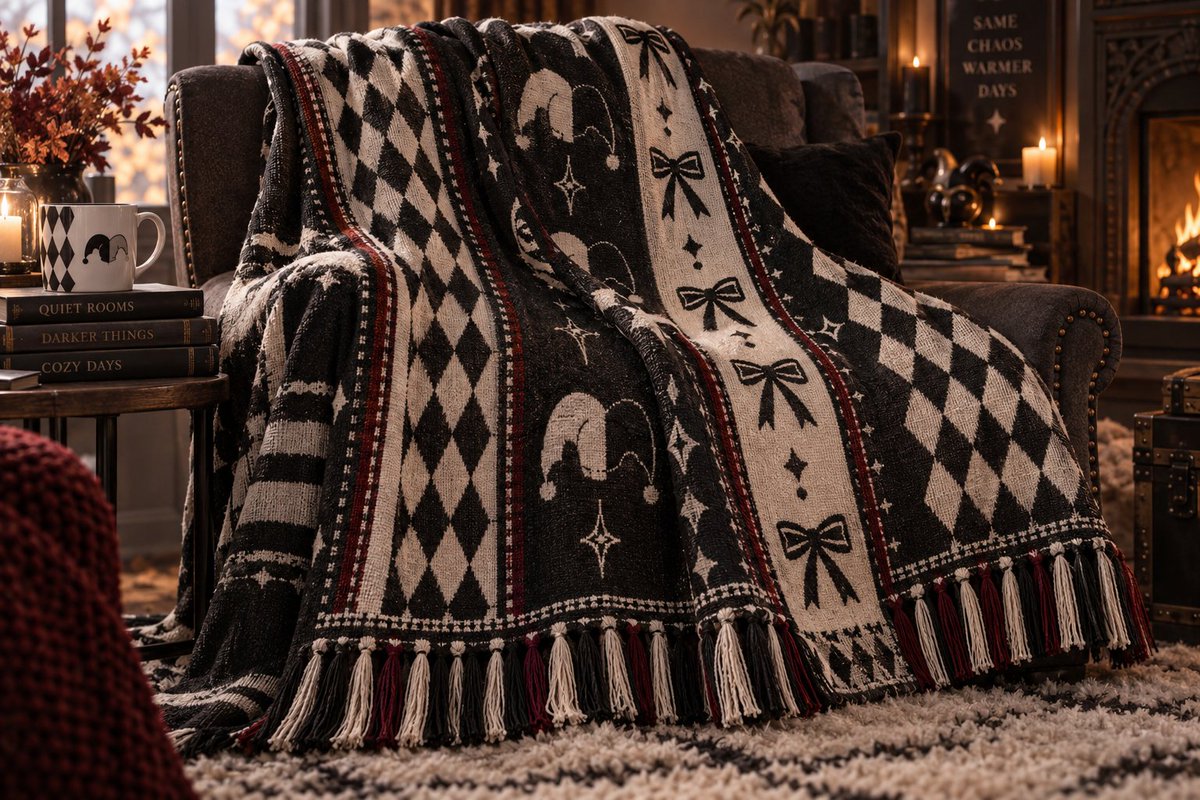
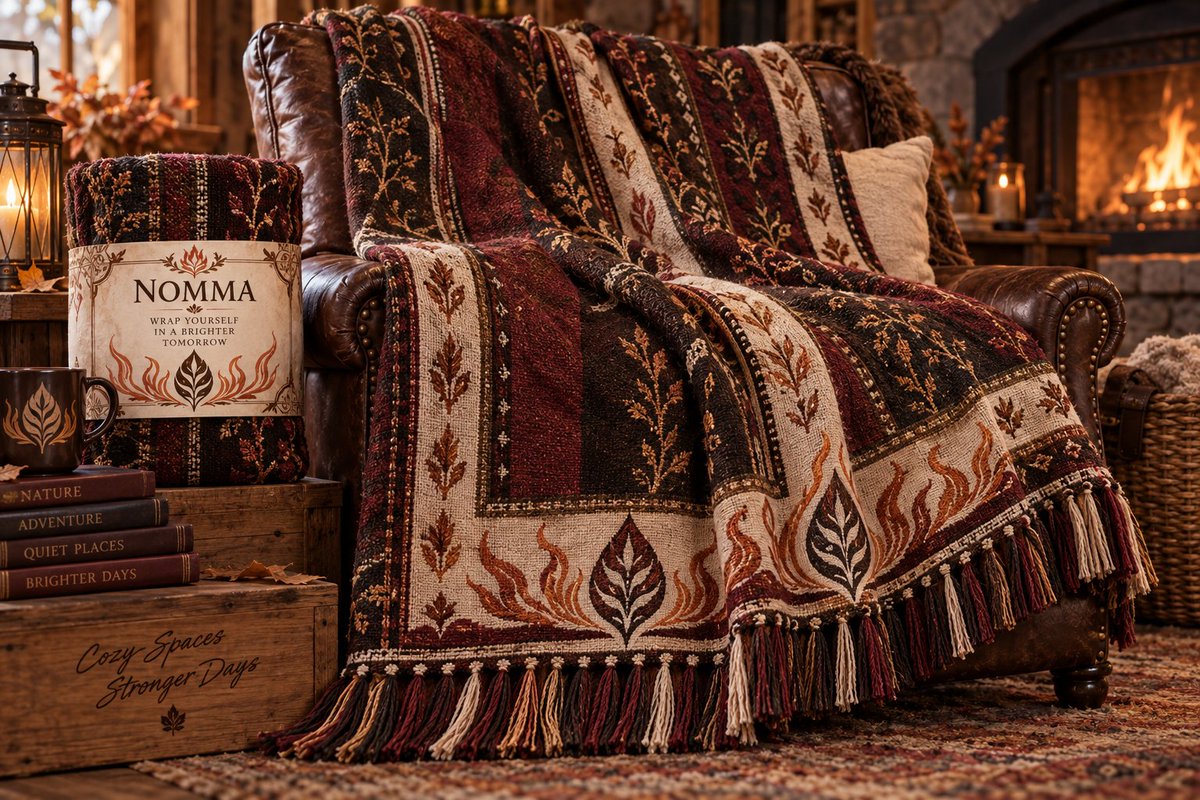
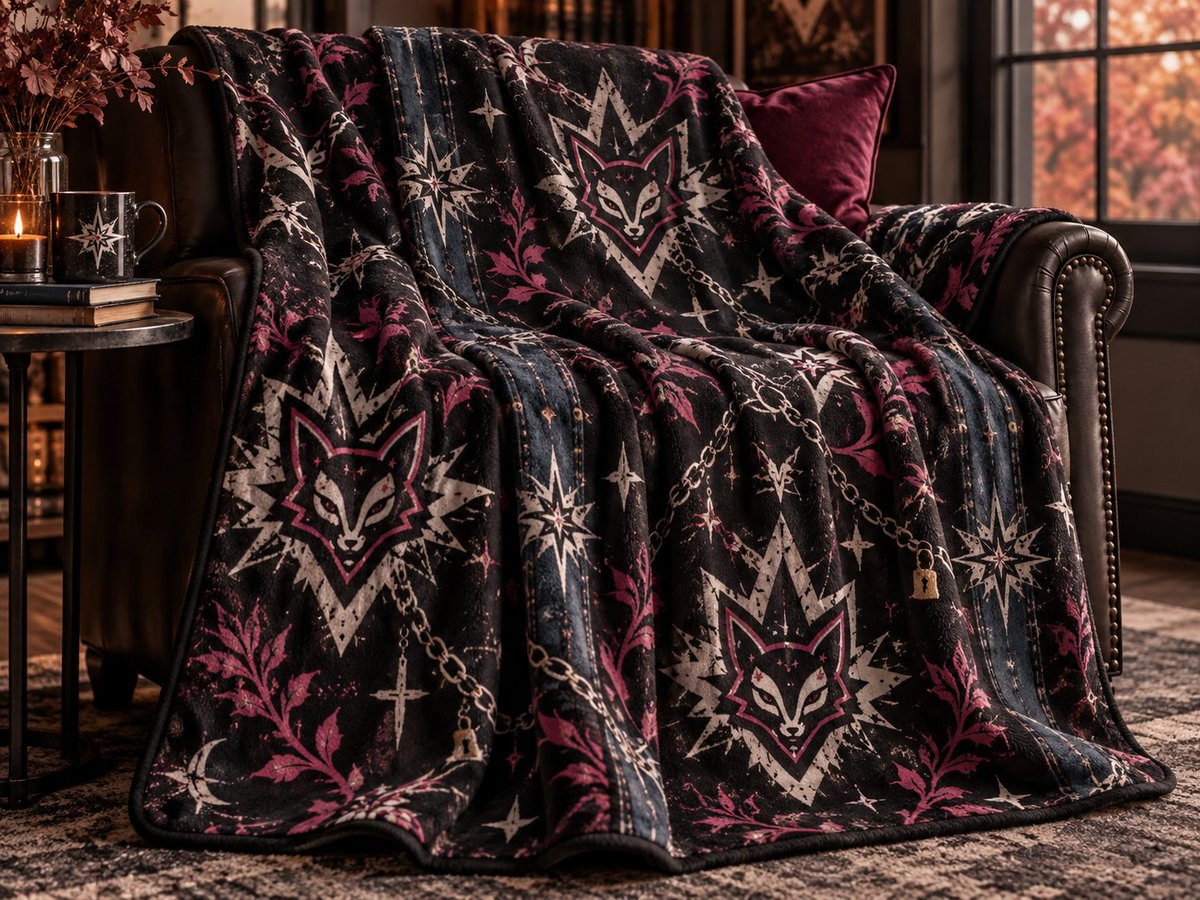
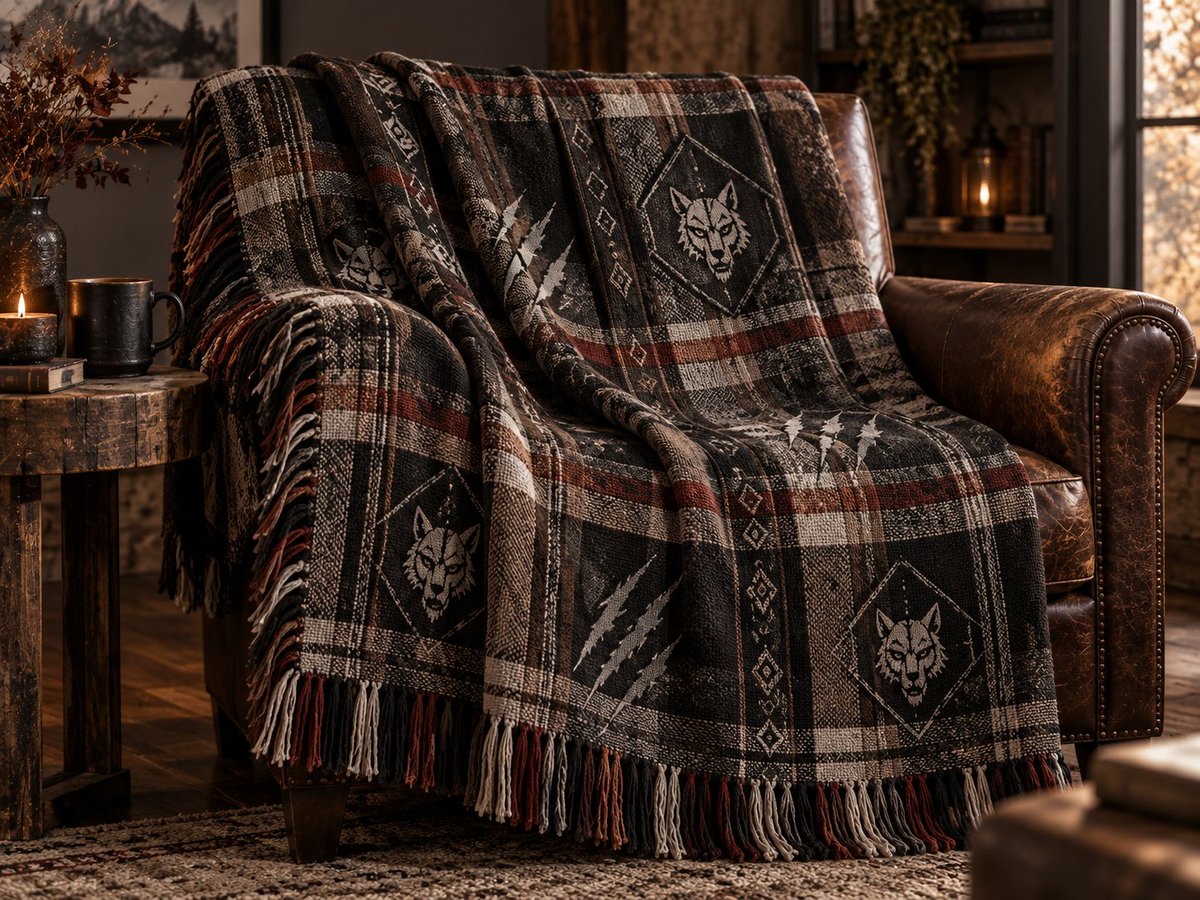
拿起你的键盘!JOLLY 的每日提示时间到了! 秋天最棒的一点之一……就是裹在毯子里。无论是看电影、听音乐,还是小憩,现在你都可以看到你的秋季盖毯会长什么样了! 特别感谢:@GreertheJ...
中文说明
拿起你的键盘!JOLLY 的每日提示时间到了! 秋天最棒的一点之一……就是裹在毯子里。无论是看电影、听音乐,还是小憩,现在你都可以看到你的秋季盖毯会长什么样了! 特别感谢:@GreertheJester 、@Nomma_o 、@NovaNekura 和 @Wolfie1775 你的 OC 的秋季盖毯 by Jolly Joebean 提示从这里开始 ----------------------------- 将所附的角色参考指定为 @Image1。 @Image1 = 唯一的角色身份和视觉参考。角色本身不会出现在最终图像中 — 这是一条毯子的产品摄影镜头,而非角色插画。 BlanketStyle = [选择其一:Woven Plaid / Chunky Cable Knit / Granny-Square Cr...
原始 Prompt
Grab your keyboards! It’s time for JOLLY’S PROMPT OF THE DAY!
One things that is SUPER nice about fall...curling up under a blanket. rather that be while watching a movie, listening to music, or taking a nap. Well now you can see what your Fall Throw Blanket would look like!
Special Thanks To: @GreertheJester , @Nomma_o , @NovaNekura and @Wolfie1775

Your OC's Fall Blanket by Jolly Joebean

PROMPT STARTS HERE
-----------------------------

Designate the attached character reference as @Image1.

@Image1 = the only character identity and visual reference. The character themselves does NOT appear in the final image — this is a product-photography shot of a blanket, not a character illustration.

BlanketStyle = [choose one: Woven Plaid / Chunky Cable Knit / Granny-Square Crochet / Printed Motif Fleece / Shag Plush — or leave blank to have the AI derive the best match from @Image1, per Step 1 below]

PackagingIncluded = Enter Y or N.
Y = Include a small styled retail packaging element (folded box, wrap band, or fabric label) bearing OC-inspired branding, positioned beside or partially under the blanket.
N = Blanket only, no packaging elements.

If BlanketStyle is left blank, do not default to a generic plaid. Instead, algorithmically derive the style from @Image1 per the rules in Step 1 — do not silently pick a style without reasoning through the character's design first.

---

OC DESIGN EXTRACTION — HIGHEST PRIORITY

Before designing anything, deeply analyze @Image1. Focus on:
- signature color palette (primary, secondary, and accent colors)
- recurring motifs, symbols, patterns, or markings (stripes, dots, floral, geometric, species markings, emblem shapes)
- material/texture cues implied by the character's design (soft and fluffy, sleek and structured, rustic and woven, delicate and lacy, bold and graphic)
- overall personality and energy (cozy, elegant, wild, whimsical, regal, mischievous, gentle)
- species traits or accessories that could inspire a woven or printed detail (fur pattern, scales, wings, horns, feathers, fabric trims already present in their outfit)

This extracted design language is the sole source for every visual decision below. Do not invent a fall aesthetic unrelated to @Image1 and simply reskin it in autumn colors — the blanket must feel like it was designed FOR this specific character, not a generic seasonal product with their colors slapped on.

---

CORE CONCEPT

Create a single professional product-photography image of a premium, oversized fall throw blanket whose weave pattern, color palette, texture, tassels/fringe, and any printed motifs are all derived from @Image1's design.

The blanket is draped, folded, or artfully thrown over a piece of cozy furniture (an armchair, sofa arm, or bench) in a warm, inviting autumn interior — the same visual language as high-end e-commerce or lifestyle blanket photography, not an illustration and not a character-centric image.

---

STEP 1 — DERIVE THE BLANKET STYLE FROM @IMAGE1:

If BlanketStyle is specified, use it directly, but still adapt its color/motif execution to @Image1 per the rules below.

If BlanketStyle is left blank, derive it using this logic (for reference, not a fixed list):
- A soft, gentle, or plush-coded character (round features, pastel palette, cozy vibe) → Shag Plush or Chunky Cable Knit
- A refined, elegant, or formal character (structured outfit, jewel tones, poised posture) → Woven Plaid or fine Cable Knit
- A whimsical, folk, or handmade-coded character (floral motifs, patchwork outfit details, warm rustic energy) → Granny-Square Crochet
- A character with a strong graphic emblem, nature motif, or illustrative design element (florals, leaves, animal print, symbols) → Printed Motif Fleece, with the motif redrawn in a coordinated fall botanical style (pumpkins, leaves, acorns, wheat, mushrooms) that echoes @Image1's actual symbols/patterns rather than generic stock foliage
- A wild, feral, or nature-adjacent character (fur, feathers, untamed hair, earthy tones) → Shag Plush or heavy-fringe Woven Plaid

The chosen style must feel like a natural extension of @Image1's existing design — not a generic "cozy blanket" applied uniformly regardless of character.

---

STEP 2 — TRANSLATE THE COLOR PALETTE:

Take @Image1's signature colors and reinterpret them within a warm autumn register (rust, burnt orange, ochre, deep olive, chestnut brown, cream, wine, charcoal) — shifting the character's palette toward these tones without abandoning it entirely. The blanket's dominant colors should still be immediately traceable back to @Image1's own palette; a viewer familiar with the character should recognize "these are their colors, in a fall mood."

Avoid muddying all colors into an undifferentiated brown mass — preserve enough contrast and separation between @Image1's original hues (even shifted warmer) that the palette still reads as distinct and intentional.

---

STEP 3 — TRANSLATE MOTIFS AND PATTERN:

If @Image1 has clear repeating patterns, symbols, or markings (stripes, florals, geometric shapes, species markings, emblem), incorporate a stylized, fall-appropriate version of that motif into the blanket's weave, print, or border detail — e.g., a striped character's stripes become the plaid's block divisions; a floral-motif character's flowers become a granny-square's center pattern; a starred or emblem character's symbol becomes a subtle woven border repeat or an embroidered corner detail.

If @Image1 has no strong repeating pattern, derive a simple coordinating motif from their accessories, species traits, or color transitions instead (e.g., a gradient palette becomes an ombré striping effect; a character with wings or feathers gets a subtle feather-quill texture in the knit or fringe).

Do not add unrelated seasonal iconography (random pumpkins, generic maple leaves) unless it plausibly grew out of @Image1's own design language per the logic above.

---

STEP 4 — TEXTURE AND TASSEL/FRINGE TREATMENT:

Render the physical texture appropriate to the chosen BlanketStyle:
- Woven Plaid: visible woven thread structure, tight blocked color divisions, fringe trim on the short edges
- Chunky Cable Knit: thick dimensional cable/rib stitching, substantial yarn texture, optional pom-pom or braided fringe
- Granny-Square Crochet: individual crocheted squares joined with visible seams, scalloped or picot-edge border
- Printed Motif Fleece: soft brushed fleece surface with a clean printed repeating pattern, bound or serged edge (no fringe)
- Shag Plush: long soft pile texture with visible individual strands, channel-stitched or ribbed backing, no traditional fringe

Fringe/tassel color, where applicable, should pull from @Image1's secondary or accent color rather than defaulting to a neutral tone.

---

STEP 5 — COMPOSE THE PRODUCT SHOT:

Stage the blanket draped naturally over a cozy chair, sofa arm, or bench — casually folded or artfully thrown, with visible drape, fold shadows, and fabric weight consistent with the chosen texture.

Set the scene in a warm, softly lit autumn interior: neutral upholstered furniture, warm wood tones, soft natural or lamp lighting. Include a small number of tasteful seasonal styling props that echo @Image1's palette (a candle, a mug, dried foliage, a stack of books, small gourds) without crowding the blanket as the visual focus.

If PackagingIncluded = Y, include a small folded box, wrap band, or fabric label near the blanket, styled with a simple wordmark or icon derived from @Image1's motifs/colors (not the character's name unless naturally appropriate) — kept understated, like real retail packaging, not a large graphic callout.

---

LIGHTING AND MOOD

Warm, soft, natural-feeling light — late-afternoon window light or warm lamp glow. The mood should feel cozy, high-end, and inviting, in the style of premium home-goods product photography (think elevated Amazon/Etsy/boutique catalog shots), not a stylized illustration and not a harshly lit studio product render.

---

QUALITY AND RENDERING

Photorealistic product photography quality. Sharp, believable fabric texture appropriate to the chosen BlanketStyle, accurate drape and fold physics, coherent lighting and shadow, no distorted weave patterns, no illegible or garbled packaging text.

---

DO NOT

Do not depict @Image1 the character anywhere in the final image — this is a product shot of an object, not a character illustration.
Do not default to a generic autumn palette (all orange/brown) that ignores @Image1's actual signature colors.
Do not invent motifs unrelated to @Image1's established design without deriving them from the logic in Step 3.
Do not mix multiple BlanketStyle textures on the same blanket (e.g., part knit, part woven) — choose one cohesive construction.
Do not add extra blankets, extra furniture pieces competing for focus, or cluttered prop staging.
Do not add real brand logos, trademarks, or watermarks.
Do not render illegible, garbled, or misspelled packaging text if PackagingIncluded = Y.
Do not use halftone dots, stippling, cel-shading, or anime-style rendering — this must read as photoreal product photography.
Do not create distorted weave/knit patterns, warped fringe, or physically impossible fabric folds.

------------------------
PROMPT ENDS HERE