 1/4
1/4
PROMPT RECORD图像记录
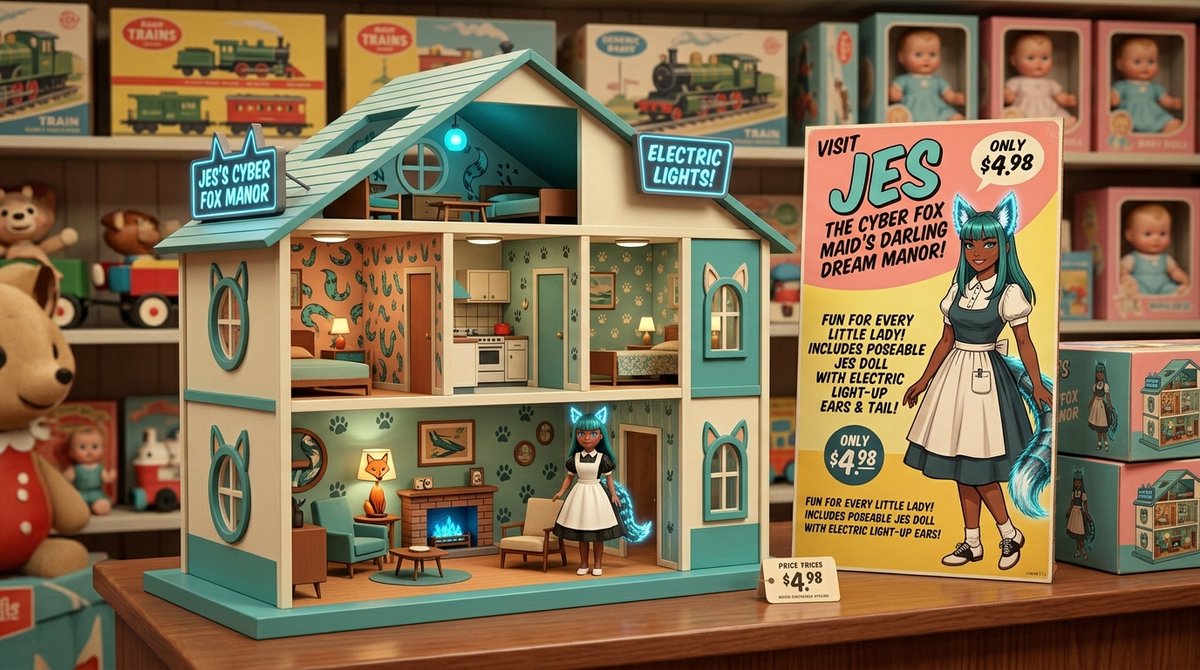
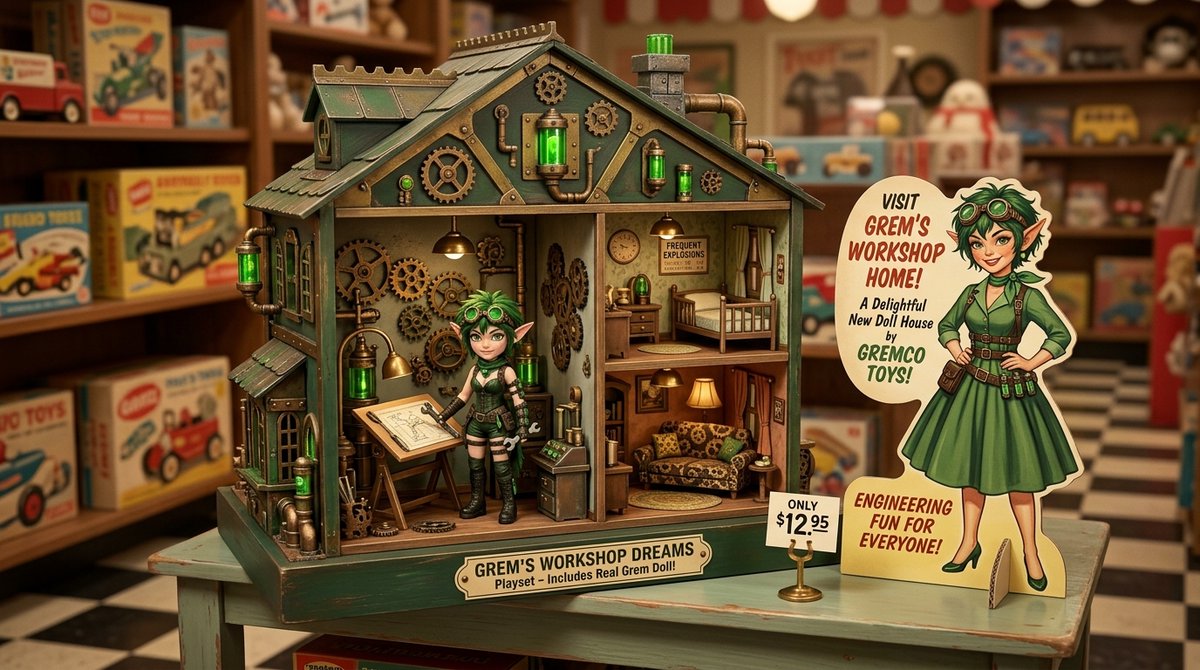
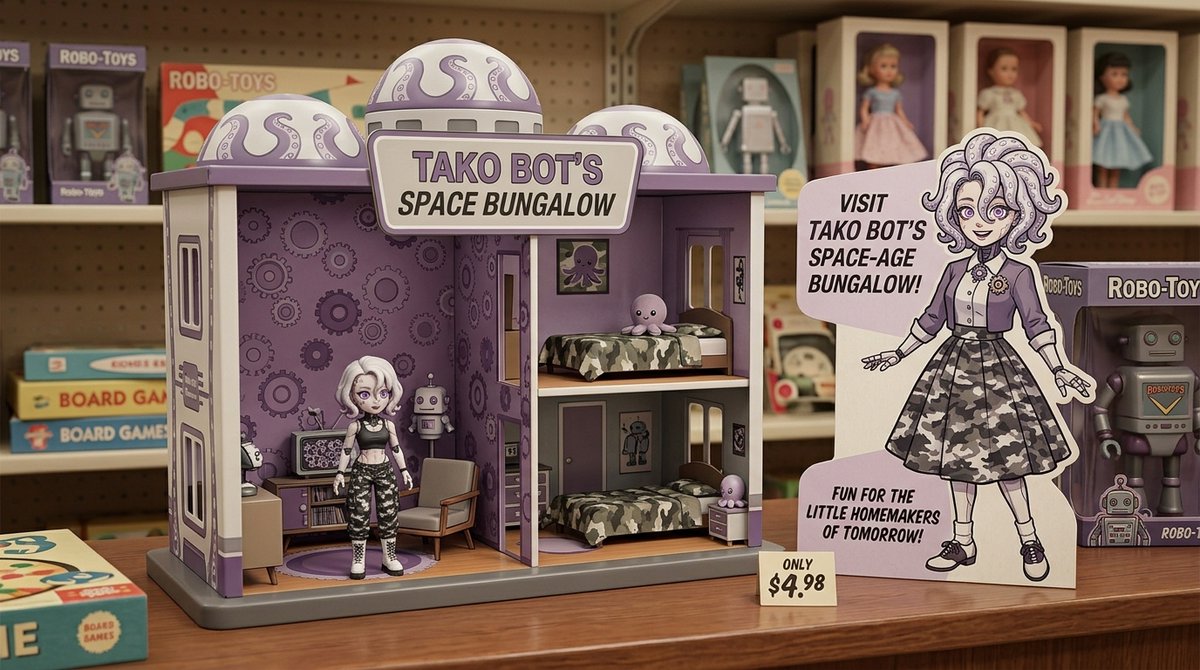
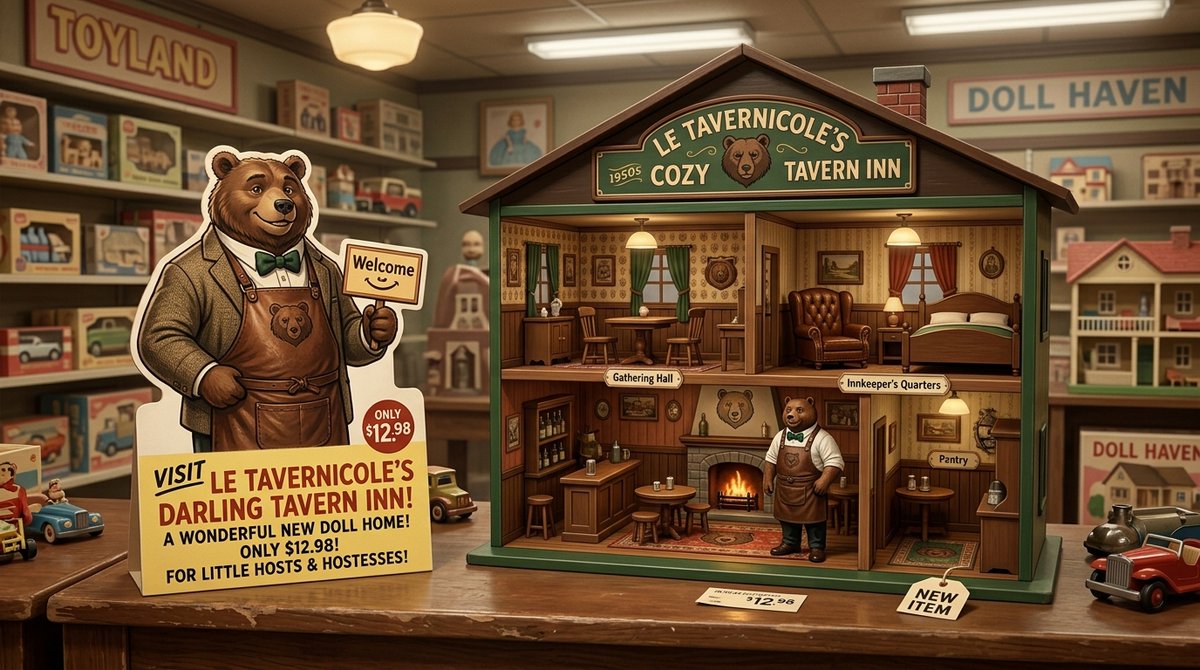
我查了日历,参考了星星,又摇了魔法八号球!它们都说:JOLLY 的每日提示时间到了! 今天我不在家,早上我想了想。小时候,几乎每个女孩都有一个娃娃屋,男孩们都有一套玩具组合。你想要属于自己的吗...
中文说明
我查了日历,参考了星星,又摇了魔法八号球!它们都说:JOLLY 的每日提示时间到了! 今天我不在家,早上我想了想。小时候,几乎每个女孩都有一个娃娃屋,男孩们都有一套玩具组合。你想要属于自己的吗? 特别感谢:@Jes_Maid 、@Gremsworkshopv2 、@tako_bots 和 @Le_Tavernicole Jolly Joebean 的 1950 年代娃娃屋 提示开始 --------------- CHARACTER NAME: [insert your character name here] RACE/SPECIES: [insert the character’s race or species here, or leave blank for the AI to infer from t...
原始 Prompt
I checked the calendar, consulted the stars, and shook a Magic 8 Ball! They all said it’s time for JOLLY’S PROMPT OF THE DAY!
Today while I am away, I had a think this morning. when growing up, nearly every girl had a doll house, and boys had play sets. would you like your own?
Special Thanks To: @Jes_Maid , @Gremsworkshopv2 , @tako_bots and @Le_Tavernicole

1950s Doll House by Jolly Joebean

Prompt Start
---------------

CHARACTER NAME: [insert your character name here]
RACE/SPECIES: [insert the character’s race or species here, or leave blank for the AI to infer from the reference]

Designate the attached character reference as @Image1.

@Image1 = the only character identity and visual-design reference.

SPECIES LOGIC:

- If RACE/SPECIES is filled in, treat that species as fully authoritative, even if the reference image could be visually mistaken for a similar species.
- If RACE/SPECIES is left blank, carefully infer the character’s race/species from @Image1 based on visible anatomy, silhouette, ears, tail, facial structure, markings, body type, costume language, and overall design cues.
- Do not default to “cat,” “dog,” “wolf,” “fox,” “human,” or any other common species unless the reference image clearly supports that interpretation.
- If the character is a specific kind of species, such as a northern fox, arctic fox, kitsune, rabbit, wolf, dragon, demon, angel, android, alien, hybrid, or another defined race/species, preserve that specific identity accurately throughout the entire image.
- The race/species identity must influence every official depiction of the character in the image, including the display sign artwork, the OC doll, and any character-themed decorative motifs on the doll house itself.

Using the attached reference image, create an authentic-looking 1950s toy-store display centered around a fictional doll house officially themed around this original character.

The final image should look like a genuine toy-store display from the 1950s, as though this character was such a beloved and commercially successful entertainment icon of the era that a themed doll house was created around them and proudly displayed for sale in a real store.

This is an image-to-image transformation task. The character’s identity must remain fully recognizable everywhere their official likeness appears in the image, even as they are translated into multiple period-appropriate toy and promotional forms.

The overall scene should feel charming, polished, colorful, period-authentic, and commercially appealing — not like a modern parody, not like a digital mockup, and not like a contemporary collectible display.

REFERENCE RULES:

Thoroughly analyze @Image1 and preserve the character’s:

Face and facial structure
Hairstyle and hair color
Eye shape and eye color
Skin tone
Body type and proportions
Race/species identity, using the RACE/SPECIES input as authoritative if provided
Species traits, including ear shape, tail shape, fur patterns, markings, muzzle shape, horns, wings, scales, mechanical traits, or any other non-human or nonstandard features
Signature accessories
Recognizable symbols and motifs
Dominant color palette
Personality and emotional energy

The character must remain unmistakably the same individual in every official depiction included in the image. Do not use characters, costumes, or visual information from previous prompts, generations, or conversations.

THE CHARACTER HAS THREE DISTINCT OFFICIAL ROLES IN THIS IMAGE:

ROLE 1 — THE CHARACTER-THEMED DOLL HOUSE:
The OC’s identity should be translated into the design language of the doll house itself. The house should be a real 1950s toy product, but its colors, decorative motifs, architectural details, furnishings, and visual theme should clearly be built around this character.

ROLE 2 — THE DISPLAY SIGN CHARACTER ART:
The toy-store display should include a promotional sign, standee, or printed display card featuring the OC as the official mascot of the doll house line. This version of the OC should be shown wearing clothing inspired by their normal outfit but reinterpreted into charming, period-appropriate 1950s fashion.

ROLE 3 — THE DOLL VERSION OF THE OC:
Inside the doll house, include a doll version of the OC. This doll should clearly be a toy representation of the character, scaled appropriately to the house, while still remaining recognizable as the same individual. The doll may be standing in one of the rooms, posed near furniture, or shown interacting with the environment in a natural dollhouse-display way.

All three roles must clearly depict the same character. A viewer should immediately understand that the doll house is themed around the character, that the sign presents the official character branding, and that the doll inside the house is the miniature toy version of that same character.

STEP 1 — DETERMINE THE DOLL HOUSE CONCEPT:

Analyze the character’s design, personality, motifs, colors, species traits, outfit elements, and implied world to determine what kind of doll house would naturally be built around them.

Possible concept directions include:

A cozy domestic home themed around the character’s personality
A whimsical fantasy cottage or manor
A glamorous townhouse or fashion home
A spooky-but-playful haunted home
A woodland or moonlit cottage
A futuristic domestic home adapted into 1950s toy language
A storybook home inspired by the OC’s motifs
A themed adventure residence with playful room concepts

Do not select randomly. The doll house theme should feel specifically invented for this exact character, the same way a custom toy or product line in the other templates is tailored to the OC rather than being generic.

Keep the toy concept believable for the 1950s. It should feel like a real toy product of that time, not a modern luxury collector’s doll house or a contemporary high-end miniature display.

STEP 2 — DESIGN THE DOLL HOUSE ITSELF:

Show the doll house as the clear centerpiece of the image.

Render it as a believable 1950s toy doll house, with:

A sturdy toy construction appropriate to the era
Bright, appealing colors
Painted or printed decorative details
Visible rooms and furnishings
Open-front or cutaway presentation so the interior can be seen
Character-themed architecture, decor, and details

The doll house should feel specifically built around the OC:

Its exterior colors should derive from the OC’s palette
Its room decor should incorporate the OC’s motifs, symbols, or themes
Its furniture, curtains, wallpaper, rugs, lamps, bedspreads, and decorations should feel personalized to the character
Its mood should reflect the OC’s personality and implied world

For example:
A fox or woodland-themed OC might inspire moonlit motifs, paw-print patterns, woodland wallpapers, warm den-like furnishings, or playful forest details
A magical OC might inspire star motifs, enchanted furniture styling, or whimsical room details
A heroic or adventurous OC might inspire themed rooms with trophy motifs, travel details, or storybook adventure decor

The doll house must not feel generic. It should look like no other doll house in the toy store because it is specifically branded around this character.

If the character is non-human or has fantasy/species traits, let those traits influence the toy’s visual language without losing the product’s identity as a charming 1950s doll house.

STEP 3 — DESIGN THE OC DOLL INSIDE THE HOUSE:

Inside the doll house, include a doll version of the character that is clearly meant to be the official doll included with or sold alongside the house.

The OC doll must:

Be scaled appropriately to the doll house
Clearly look like a toy or doll rather than a full-size person
Remain unmistakably recognizable as the same character
Preserve the OC’s face, hair, eye color, species traits, palette, and iconic motifs
Have clothing inspired by the OC’s design, adapted into a doll-sized, period-appropriate toy fashion treatment

The doll may be posed:

Standing in the main room
Sitting on a chair or bed
Holding a miniature accessory
Greeting the viewer from inside the house
Placed prominently in the room most associated with the character’s theme

If the character has animal or fantasy traits, preserve them accurately on the doll. Do not simplify them into a different species or remove defining features just because the figure is small.

The doll should feel like a genuine 1950s toy doll: charming, slightly simplified, manufactured, and cute, but still clearly specific to this character.

STEP 4 — DESIGN THE DISPLAY SIGN OR STORE PROMOTIONAL PIECE:

Include a toy-store display sign, promotional placard, or cardboard standee associated with the doll house.

This display sign should feature the character in a polished illustrated promotional form.

The sign version of the character must:

Clearly be the same OC
Wear clothing derived from their normal outfit, but reinterpreted into charming 1950s fashion appropriate to the character
Preserve the OC’s signature colors, accessories, motifs, and species traits
Look cheerful, marketable, and like the official promotional art used to sell the toy

Possible 1950s fashion reinterpretations may include:

Day dresses
Cardigans
Skirts
Tailored blouses
Petticoats
Saddle shoes
Period jackets
Neat trousers
Collared tops
Domestic or storybook-inspired fashion styling
Other clothing appropriate to the era and the character’s design

The display sign may include:

The toy’s title
A small slogan
A short promotional phrase
A decorative frame or die-cut sign shape
A product spotlight line such as “Come visit [CHARACTER NAME]’s lovely home!”

Keep the sign readable, attractive, and clearly part of a retail display.

STEP 5 — DESIGN THE TOY STORE ENVIRONMENT:

Place the doll house in a believable 1950s toy-store setting.

The toy store may include:

Shelving
Display counters
Wood or tile flooring
Toy signage
Neatly arranged merchandise in the background
Other indistinct period toys or boxed products
Store lighting appropriate to the era

The environment should support the product presentation without distracting from the main subject.

The doll house and sign should feel like a featured display, such as:

A window display
An aisle-end feature
A countertop display
A special seasonal toy promotion
A department-store toy floor display

Do not turn the image into a general busy toy-store collage. The OC doll house display must remain the clear focus.

STEP 6 — INVENT THE PRODUCT NAME AND TEXT:

Invent an original doll house product name, display title, and a small amount of short readable text based on the OC and the toy concept.

Possible text elements include:

A product title
A cheerful display headline
A short slogan
A brief line about the toy’s charm or theme
A small age recommendation
A short store-display phrase
A price tag or small price sign if it helps authenticity

Examples of the kind of wording that may appear:
“VISIT [CHARACTER NAME]’S DARLING DREAM HOUSE!”
“A DELIGHTFUL NEW DOLL HOME!”
“WITH HER OWN LOVELY LITTLE HOUSE!”
“SEE THE WONDERFUL ROOMS INSIDE!”
“FUN FOR LITTLE HOMEMAKERS!”
“ONLY $4.98”

Keep the wording short, period-appropriate, optimistic, and easy to read.

Keep all major text correctly spelled and legible.

Do not overload the image with dense paragraphs, tiny copy, or excessive packaging text.

Do not use websites, social-media language, QR codes, app-style language, or modern advertising phrasing.

STEP 7 — COMPOSITION:

Use a composition that clearly presents the doll house as the central product.

The image should clearly show:

The doll house itself
The OC doll inside the house
The promotional display sign featuring the OC in period-appropriate clothing
The surrounding toy-store environment

The doll house should be the main focus.

The sign should be clearly visible and readable without overpowering the house.

The OC doll should be visible enough that viewers understand it is the miniature version of the same character.

Possible composition approach:

The doll house centered or slightly angled
The promotional sign beside or above the display
The OC doll visible inside one of the main rooms
A few toy-store details framing the scene
Optional product tag or small store price placard nearby

Do not compose the image like a magazine advertisement or a modern product listing. It should feel like a real in-store display being viewed in person.

STEP 8 — VISUAL STYLE AND PERIOD AUTHENTICITY:

Render the image in a convincing 1950s retail-display style.

The final result may lean toward:

Photorealistic vintage retail photography
Or a highly believable illustrated-commercial display scene

In either case, it must feel authentically rooted in the 1950s.

Use:

Period-authentic toy materials
Charming vintage toy craftsmanship
Warm store lighting
Slightly softened but colorful 1950s palette
Believable cardboard, wood, paper, and miniature-fabric textures
A sense of real scale and physical presence

The final image should look sharp and detailed in modern resolution while preserving the visual feeling of a genuine mid-century toy-store display.

Avoid:

Modern minimalist retail design
Contemporary luxury dollhouse aesthetics
Plastic-heavy modern toy styling
Overly damaged or dirty presentation
Blurry or low-resolution imagery
Digital mockup presentation
Modern packaging conventions

QUALITY TARGET:

High-quality vintage toy-store display image with accurate period styling, strong character-specific design, readable signage, believable doll-house construction, a charming miniature OC doll, and clear preservation of the OC’s identity across all official depictions.

DO NOT:

Do not change the OC’s identity in any of their three official roles.
Do not change the OC’s eye color, race/species identity, species traits, signature accessories, or core palette.
Do not use information from previous characters, prompts, generations, or conversations.
Do not misidentify the character’s species.
Do not reinterpret a provided species as a different but visually similar species.
Do not turn a fox into a cat, a wolf into a dog, a rabbit into a cat, a dragon into a lizard, or any other incorrect substitution.
Do not ignore the RACE/SPECIES input when it is provided.
Do not make the doll house generic or disconnected from the OC.
Do not make the sign character look like a different person than the doll or the source OC.
Do not remove important species traits from the sign character or the doll.
Do not make the doll look like a full-size human standing in a normal house.
Do not make the house look like a real full-sized home rather than a toy product.
Do not turn the image into a full-page advertisement.
Do not use modern toy packaging, modern store signage, or contemporary retail branding.
Do not use real toy company names, copyrighted logos, or real brand mascots.
Do not clutter the store with too many competing products.
Do not overload the scene with unreadable text.
Do not create malformed hands, extra limbs, distorted faces, impossible miniature furniture, broken house structure, or incoherent room layouts.
Do not make the image feel like parody — it should feel like a sincere, professionally designed 1950s toy-store display from an alternate history where this product really existed.

The finished image should make viewers feel as though they are standing in a 1950s toy store, looking at a delightful featured display for a beloved character-themed doll house — complete with a branded sign, a miniature doll version of the OC inside, and a doll house whose entire design has been lovingly built around @Image1.

---
Prompt End