 1/4
1/4
PROMPT RECORD图像记录
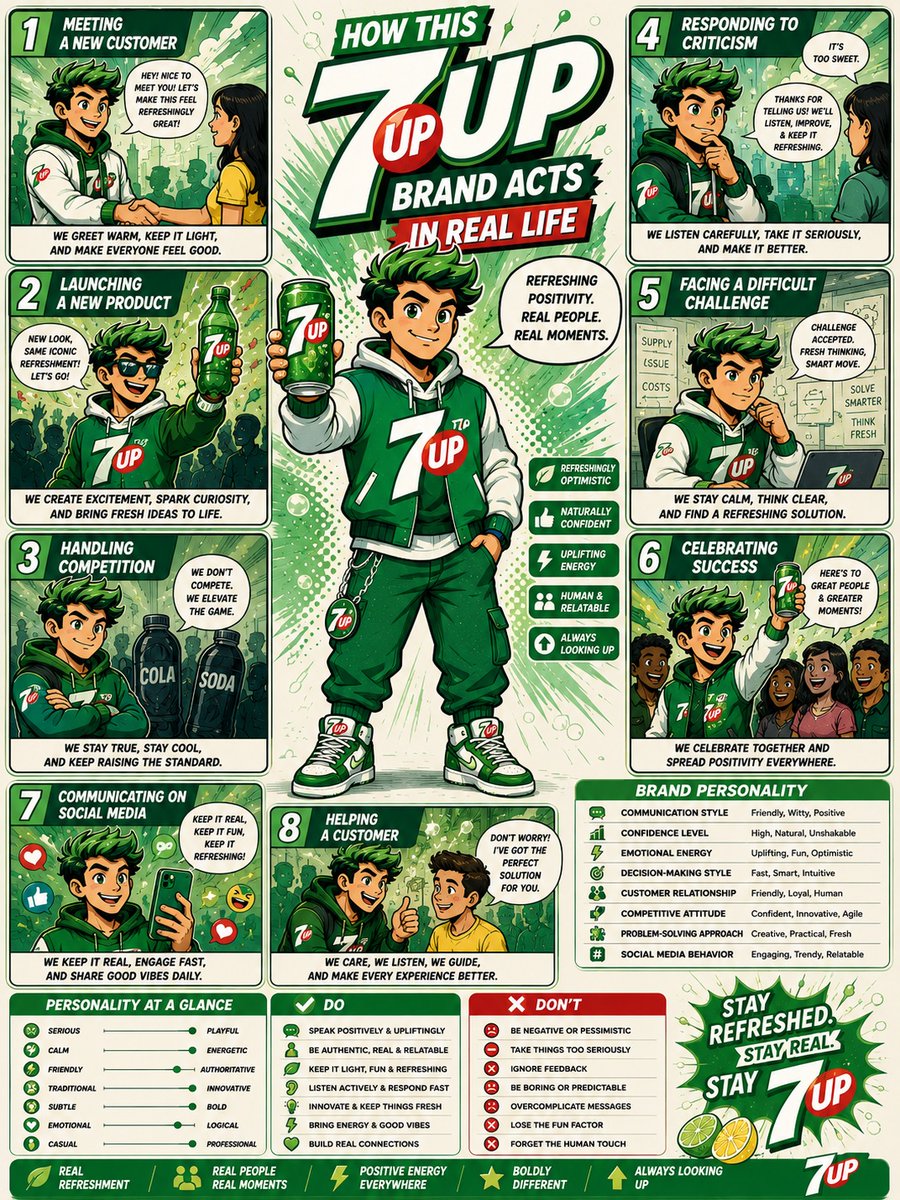
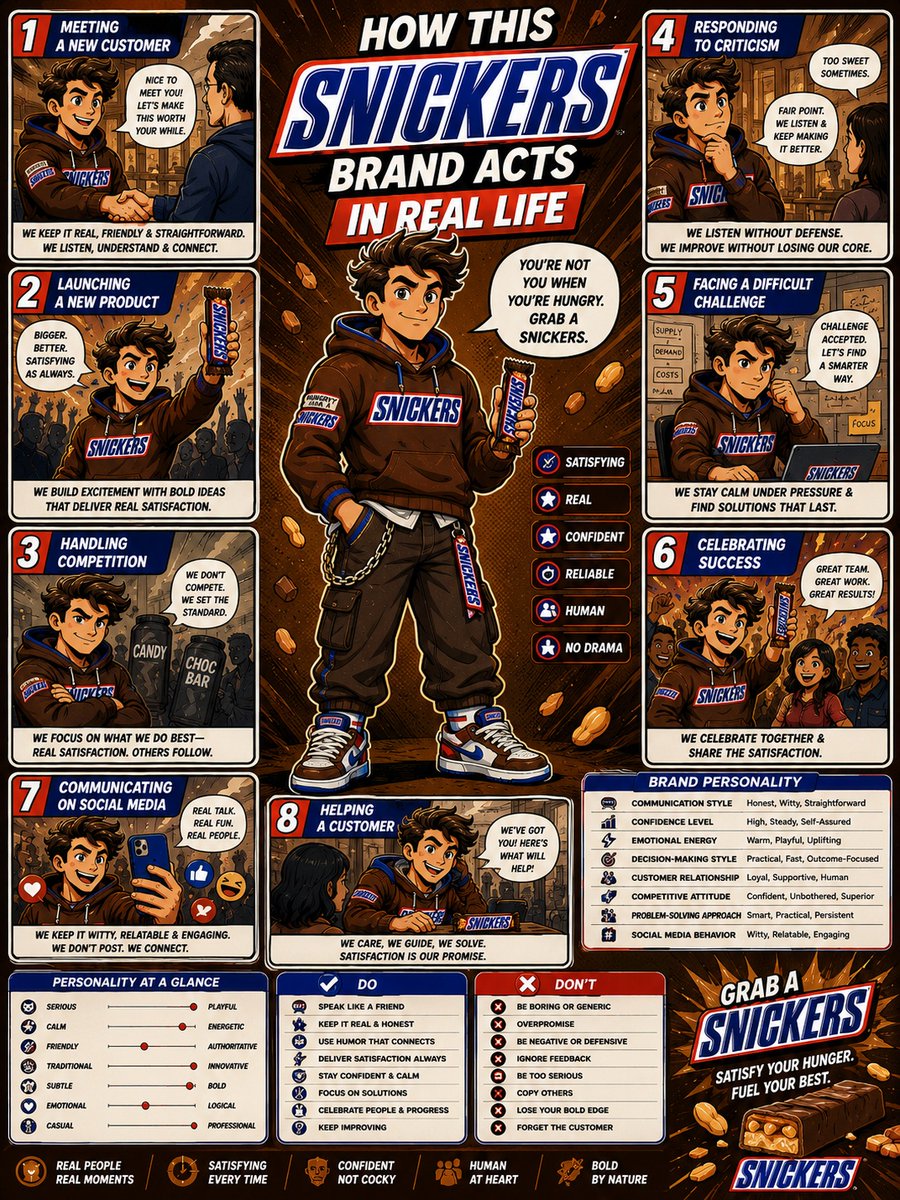
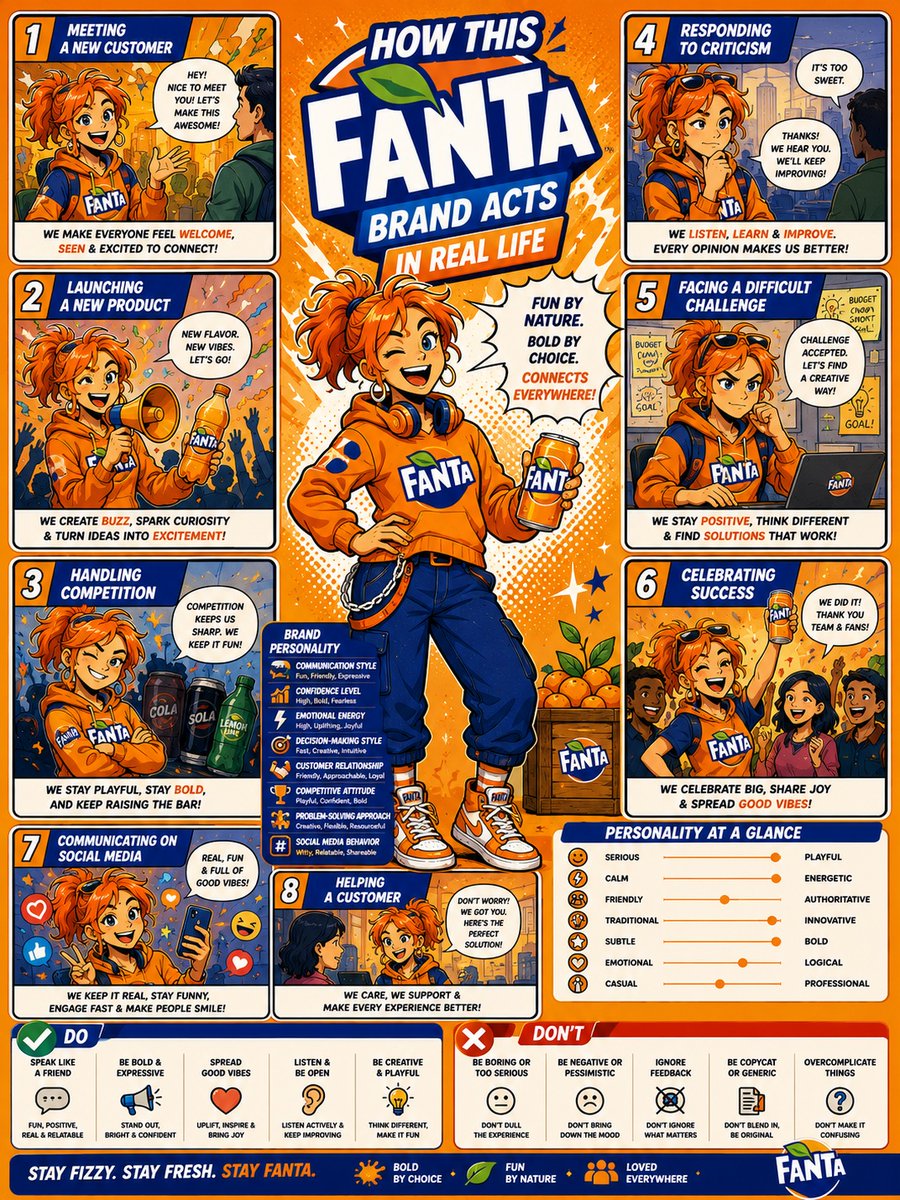
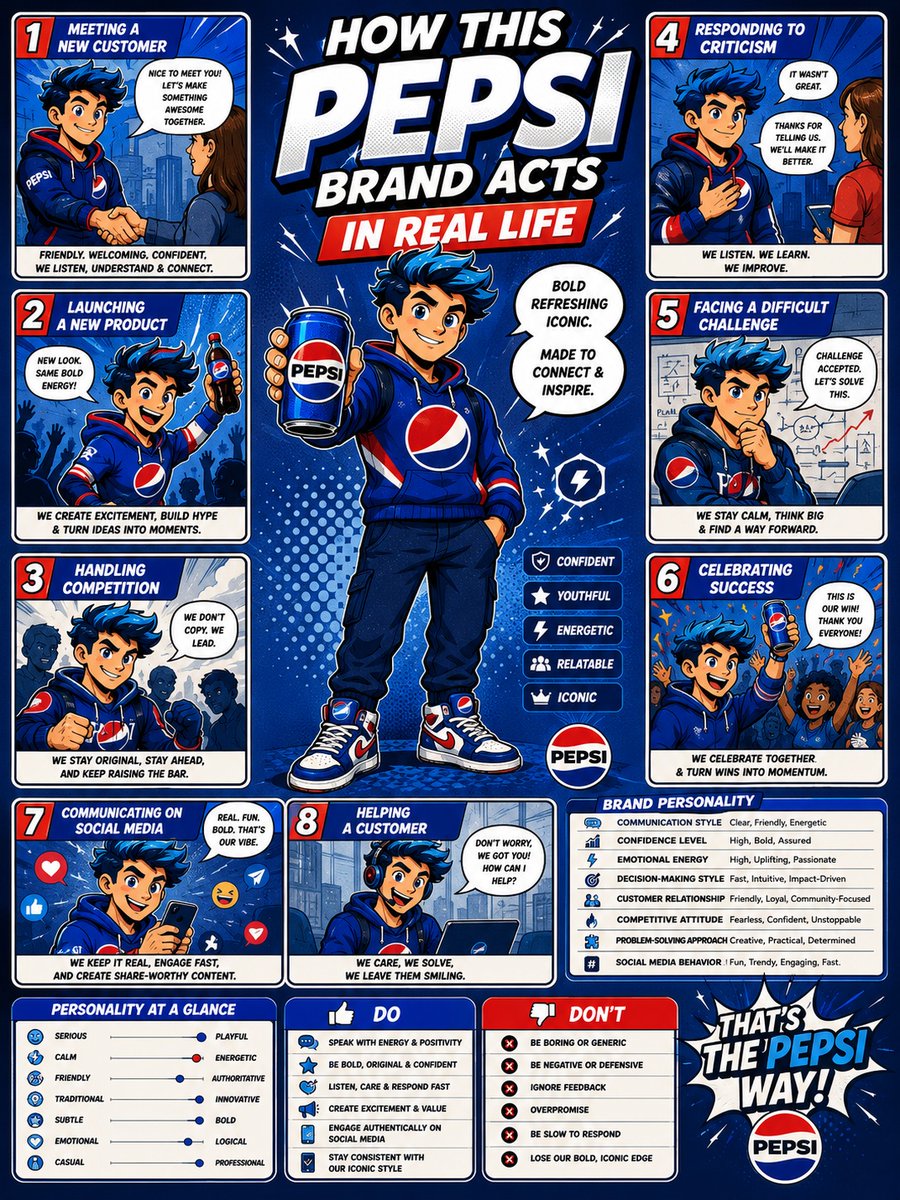
我通过上传一个logo制作了一幅漫画风格的海报📷 由 @OpenAI 制作的 GPT image 2 提示词 使用上传的 logo,创建一张高度精细的漫画风格信息图海报,标题为: “这个品牌在...
中文说明
我通过上传一个logo制作了一幅漫画风格的海报📷 由 @OpenAI 制作的 GPT image 2 提示词 使用上传的 logo,创建一张高度精细的漫画风格信息图海报,标题为: “这个品牌在现实生活中的表现” 目标: 将上传的 logo 转变为一个鲜活的品牌角色,并通过视觉展示该品牌在不同的现实生活和商业情境中如何表现、沟通、反应和做出决策。 主角: 直接根据上传的 logo 创建一个核心的、人类或类人风格的单一品牌角色。 上传的 logo 必须影响: * 角色外观 * 服装与配饰 * 配色方案 * 发型或轮廓 * 面部表情 * 肢体语言 * 性格 * 气场 * 视觉细节 * 整体态度 logo 本身应自然地出现在服装、胸前徽章、配饰、图案、徽标或环境细节之中。 现实情境分镜: 在主角周围环绕 6–8 个较小...
原始 Prompt
I created a comic-style poster by uploading a logo📷

Prompt for GPT image 2 by
@OpenAI

Using the uploaded logo, create a highly detailed comic-style infographic poster titled:

“How This Brand Acts in Real Life”

Goal:

Turn the uploaded logo into a living brand character and visually show how the brand behaves, communicates, reacts, and makes decisions in different real-life and business situations.

Main character:

Create one central human or human-like brand character inspired directly by the uploaded logo.

The uploaded logo must influence:

* character appearance
* clothing and accessories
* color palette
* hairstyle or silhouette
* facial expressions
* body language
* personality
* energy
* visual details
* overall attitude

The logo itself should appear naturally as part of the outfit, chest emblem, accessory, pattern, badge, or environmental detail.

Real-life scenario panels:

Surround the main character with 6–8 smaller comic-style scenes showing how the brand behaves when:

1. Meeting a new customer

Show the brand’s first impression, energy, confidence, and communication style.

2. Launching a new product

Show how the brand presents ideas, creates excitement, and attracts attention.

3. Handling competition

Show whether the brand behaves confidently, playfully, strategically, boldly, or calmly.

4. Responding to criticism

Show how the brand listens, reacts, solves problems, and protects its reputation.

5. Facing a difficult challenge

Show the brand’s problem-solving style, resilience, and decision-making behavior.

6. Celebrating success

Show how the brand celebrates wins and shares achievements with its audience or team.

7. Communicating on social media

Show the brand’s tone, content style, reactions, humor, confidence, and visual personality.

8. Helping a customer

Show how the brand supports, guides, reassures, or solves a customer’s problem.

Personality callouts:

Include short clean labels showing:

* communication style
* confidence level
* emotional energy
* decision-making style
* customer relationship style
* competitive attitude
* problem-solving approach
* social media behavior

Include one small section titled:

“Personality at a Glance”

Show visual scales or icons for:

* serious vs playful
* calm vs energetic
* friendly vs authoritative
* traditional vs innovative
* subtle vs bold
* emotional vs logical
* casual vs professional

Do and don’t section:

Include a clean visual section showing:

Do:

* how the brand should speak
* how it should behave
* how it should respond
* how it should present itself

Don’t:

* behaviors that feel off-brand
* communication styles to avoid
* reactions that do not match the brand personality
* visual or emotional mistakes

Visual direction:

Use a bold comic-book and editorial infographic style.

Include:

* expressive character poses
* speech bubbles
* reaction panels
* action scenes
* visual icons
* short callout labels
* dynamic compositions
* clear visual hierarchy

Every scene should feel connected to the uploaded logo’s identity.

Color palette:

Use colors derived directly from the uploaded logo.

Maintain consistent brand colors across:

* character clothing
* backgrounds
* comic panels
* icons
* typography accents
* speech bubbles
* visual effects

Typography:

Use clean, bold, highly legible comic-style and editorial typography.

Keep all text short and organized.

No random text.
No meaningless symbols.
No spelling errors.
No cluttered paragraphs.

Composition:

Place the main brand character in the center or as the largest visual element.

Arrange smaller scenario panels around the character.

Use a balanced infographic structure with clear numbered sections.

Make the poster easy to understand at first glance while still containing many visual details.

Format:

Aspect ratio: STRICT 4:5 vertical.

Style:

Premium comic-style infographic poster.
Strategic brand personality visualization.
Bold editorial design.
Highly detailed visual storytelling.
Fun, intelligent, polished, and highly shareable.
Suitable for Threads, Instagram, LinkedIn, and a professional brand strategy presentation.