 1/2
1/2
PROMPT RECORD图像记录
我测试了两个不同的图像模型处理宽松创意指令的方式,通过完全相同、最简化的提示词分别跑了一遍 GPT Image 2.0 High 和 GPT Image 2.5 Sunburst Max: “...
中文说明
我测试了两个不同的图像模型处理宽松创意指令的方式,通过完全相同、最简化的提示词分别跑了一遍 GPT Image 2.0 High 和 GPT Image 2.5 Sunburst Max: “Create a 3x3 grid of very realistic UGC models for social media ad. Be creative, they should be different from each other.” 没有参考图像,没有单张镜头的指令,也没有任何关于人物特征、灯光或场景的限制。两个模型对“different”的诠释差异很有启发性。 表面多样性的问题 GPT Image 2.0 High 给我的是一个技术上扎实、异常协调的九宫格。灯光平衡,主体干净,构图稳定。 问题在哪?它给出了...
原始 Prompt
I tested how two different image models handle loose creative direction by running the exact same, bare-bones prompt through GPT Image 2.0 High and GPT Image 2.5 Sunburst Max:

“Create a 3x3 grid of very realistic UGC models for social media ad. Be creative, they should be different from each other.”

No reference imagery, no individual shot instructions, and zero guardrails on demographics, lighting, or setting. The difference in how each model interpreted "different" was telling.

The Problem With Superficial Variety
GPT Image 2.0 High gave me a technically sound, remarkably cohesive grid. The lighting was balanced, the subjects looked clean, and the composition was stable.

The issue? It delivered nine variations of one single ad.

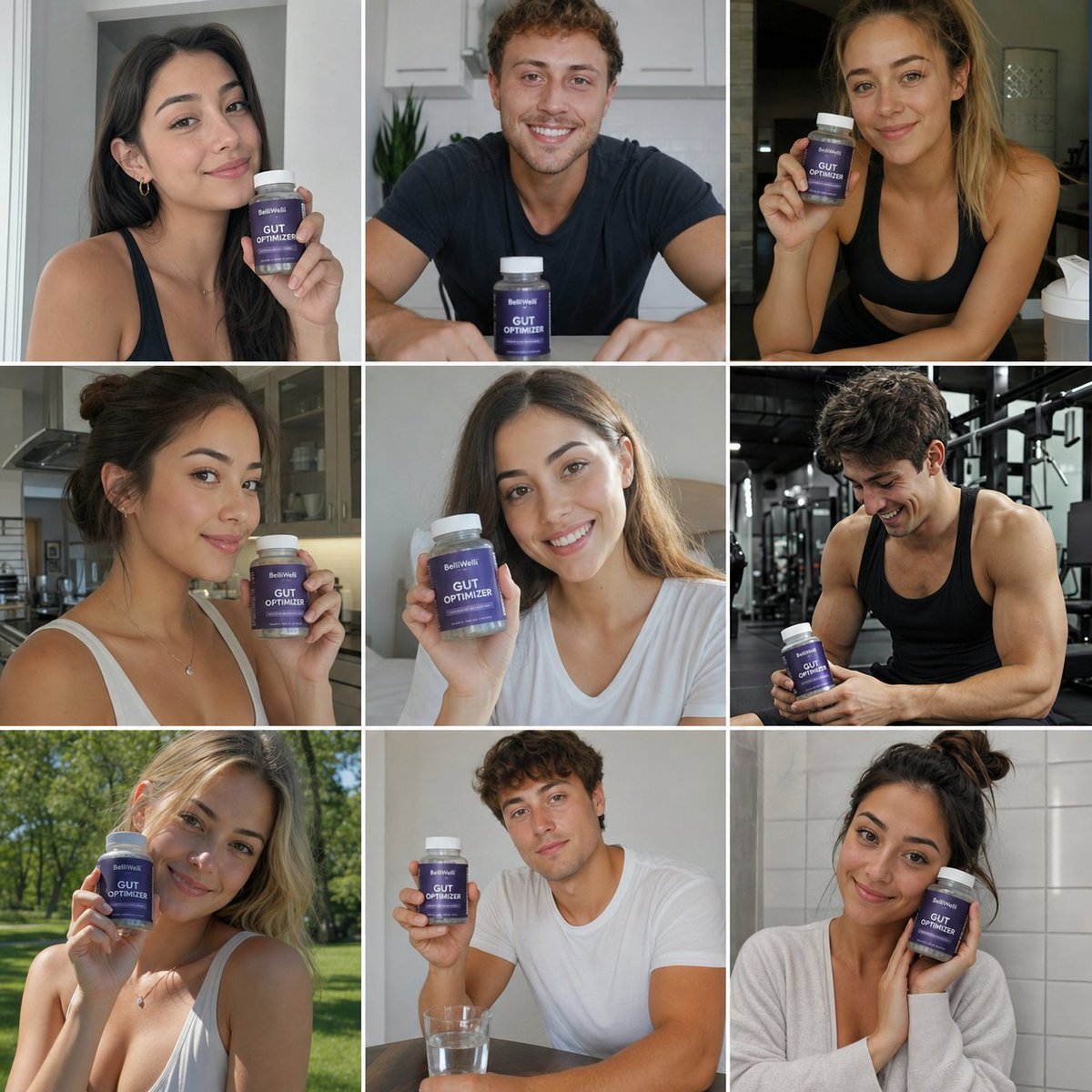
Almost every frame featured a model facing forward, smiling, and presenting a product like a standard testimonial. The model interpreted diversity purely as facial features and skin tones, completely missing the variety of scenarios that make user-generated content effective.

Why Context Trumps Polish
Sunburst Max took the brief much further. Instead of just swapping faces, it diversified the entire context:

Environments spanned gyms, bedrooms, bathrooms, and outdoor settings.

Perspectives shifted naturally between selfie angles, candid mid-shots, and lifestyle framing.

The use cases covered skincare routines, fitness, casual daily habits, and aspirational moments.

In performance marketing, a batch of nine identical product poses gives you virtually zero testing leverage. A selfie framed in a mirror tests a completely different psychological hook than an over-the-shoulder shot outdoors. Technical quality and photorealism are table stakes now; the real utility lies in whether an engine can unpack a vague creative brief into actionable testing angles.

Takeaway
If you need a unified look for a single campaign concept, 2.0 High holds stylistic consistency well. But if you need an asset library to test hooks and find winning angles, Sunburst Max understands the commercial intent of a brief much better.

For a paid social campaign, which grid are you putting ad spend behind?