 1/2
PROMPT RECORD图像记录
日本复古工艺艺术海报——通用提示词 海报主题:[Enter Theme] 核心物件或材料:[Enter Main Subject] 工艺或转化过程:[Enter Process] 关键视觉细节...
中文说明
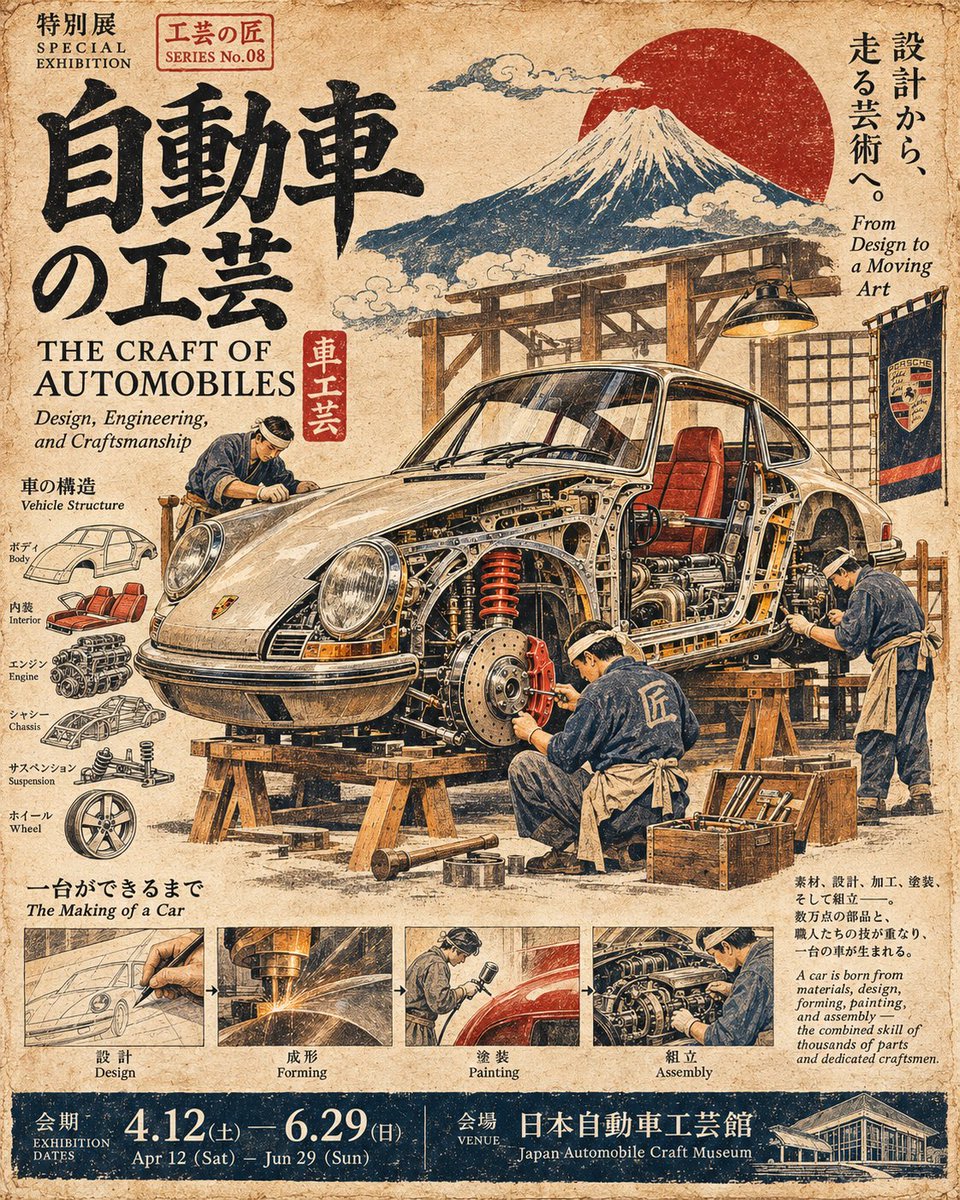
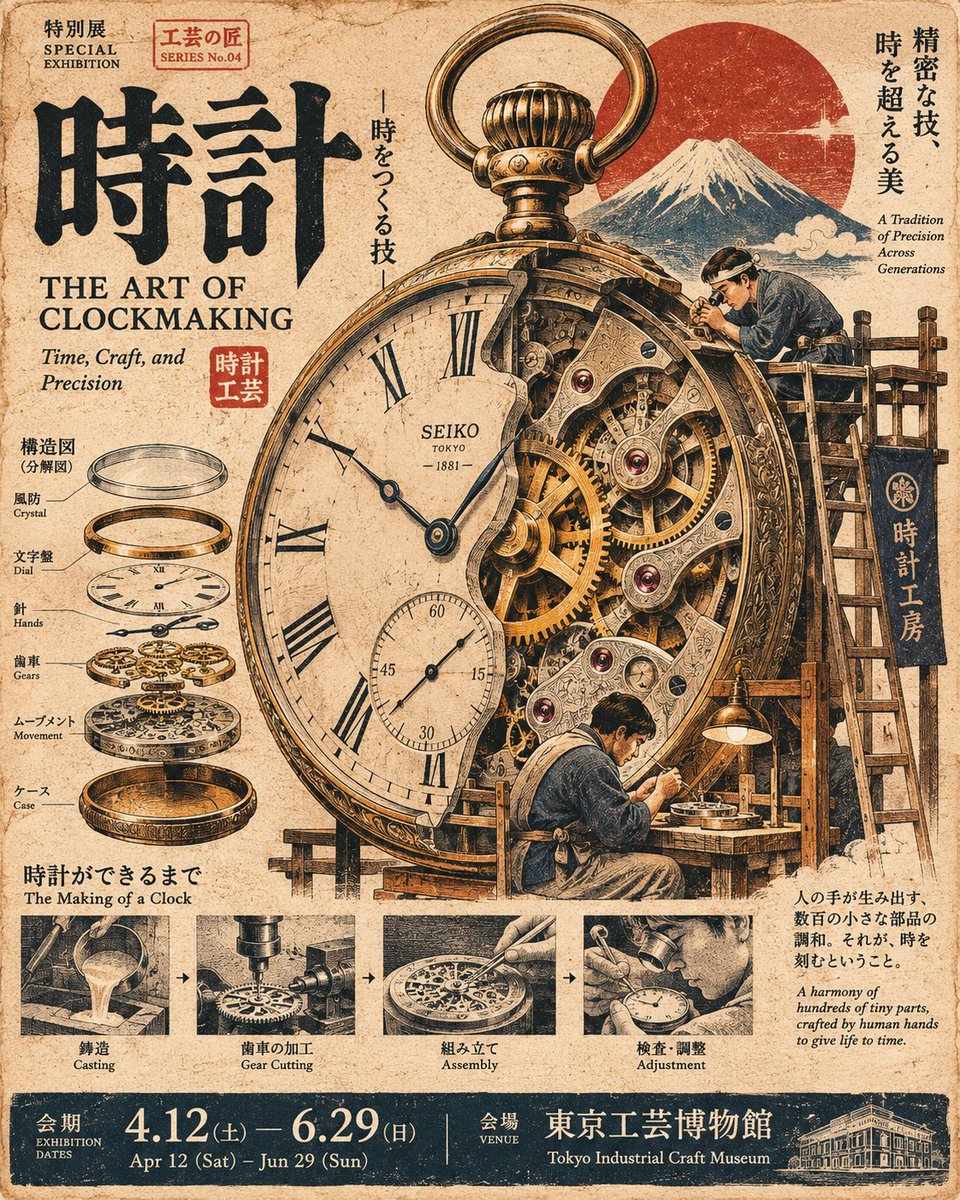
日本复古工艺艺术海报——通用提示词 海报主题:[Enter Theme] 核心物件或材料:[Enter Main Subject] 工艺或转化过程:[Enter Process] 关键视觉细节:[Enter Tools, Textures, or Figures] 主标题:[Enter Title] 主色调配色:[Enter Color Scheme] 展览信息:[Enter Date, Location, etc.] 创作一幅精致的 4:5 竖版日本复古工艺艺术海报,将时间、材料结构与传统工艺转化为极具视觉感染力的叙事。融合传统日本木版画美学、当代编辑排版设计与档案级博物馆展览设计。 核心主体:将中央物件或材料大幅放大,揭示其内部结构、表面肌理、手工细节、制作阶段或修复痕迹。赋予主体鲜明的轮廓、繁复的细节与真...
原始 Prompt
JAPANESE VINTAGE CRAFT ART POSTER — UNIVERSAL PROMPT

Poster Theme: [Enter Theme]
Core Object or Material: [Enter Main Subject]
Craftsmanship or Transformation Process: [Enter Process]
Key Visual Details: [Enter Tools, Textures, or Figures]
Main Title: [Enter Title]
Primary Color Palette: [Enter Color Scheme]
Exhibition Information: [Enter Date, Location, etc.]

Create a sophisticated 4:5 vertical Japanese vintage craft art poster, transforming time, material structures, and traditional craftsmanship into a visually compelling narrative. Blend the aesthetics of traditional Japanese woodblock prints, contemporary editorial typography, and archival museum exhibition design.

HERO SUBJECT: Dramatically enlarge the central object or material, revealing its internal structure, surface textures, handcrafted details, manufacturing stages, or restoration marks. Give the subject a distinctive silhouette, intricate details, and authentic material characteristics. It must dominate the composition.

CRAFTSMANSHIP NARRATIVE: Introduce miniature human figures, traditional tools, specialized equipment, and realistic working scenes relevant to the selected craft. Use dramatic differences in scale between the central subject and supporting elements to communicate the complexity, precision, and hidden stories behind the process.

COMPOSITION: Incorporate sectional cutaways, layered structures, angled perspectives, suspended components, and interwoven materials. Every visual element must contribute to the same central craftsmanship narrative, creating a coherent visual story rather than an arbitrary collection of objects.

MATERIALS & PRINT TEXTURE: Use an aged ivory paper background, a restrained high-contrast vintage color palette, expressive hand-drawn lines, naturally distressed ink, subtle paper fibers, and authentic woodblock printing grain. Accurately reproduce the physical characteristics of each material, including oxidized metal, natural stone layers, rough ceramic surfaces, or intricate textile fibers.

TYPOGRAPHY & EDITORIAL LAYOUT: Feature an oversized Japanese or Chinese headline, complemented by an English exhibition title, small technical annotations, archival numbering, material descriptions, and concise explanatory text. Use sophisticated Japanese editorial typography with carefully balanced hierarchy and grid-based composition. Integrate typography naturally around the subject without obscuring important visual details.

FINAL PRESENTATION: Produce a museum-quality Japanese vintage craftsmanship exhibition poster combining striking visual impact, material authenticity, cultural depth, and refined editorial aesthetics.

OUTPUT REQUIREMENTS: Precise 4:5 vertical aspect ratio, dominant central subject, exceptional detail, balanced visual hierarchy, restrained colors, authentic traditional printmaking texture, and professional exhibition-grade art direction.

Avoid inaccurate material representations, unrelated craftsmanship techniques, artificial-looking structures, cluttered typography, and unnecessary decorative elements.