 1/3
PROMPT RECORD图像记录
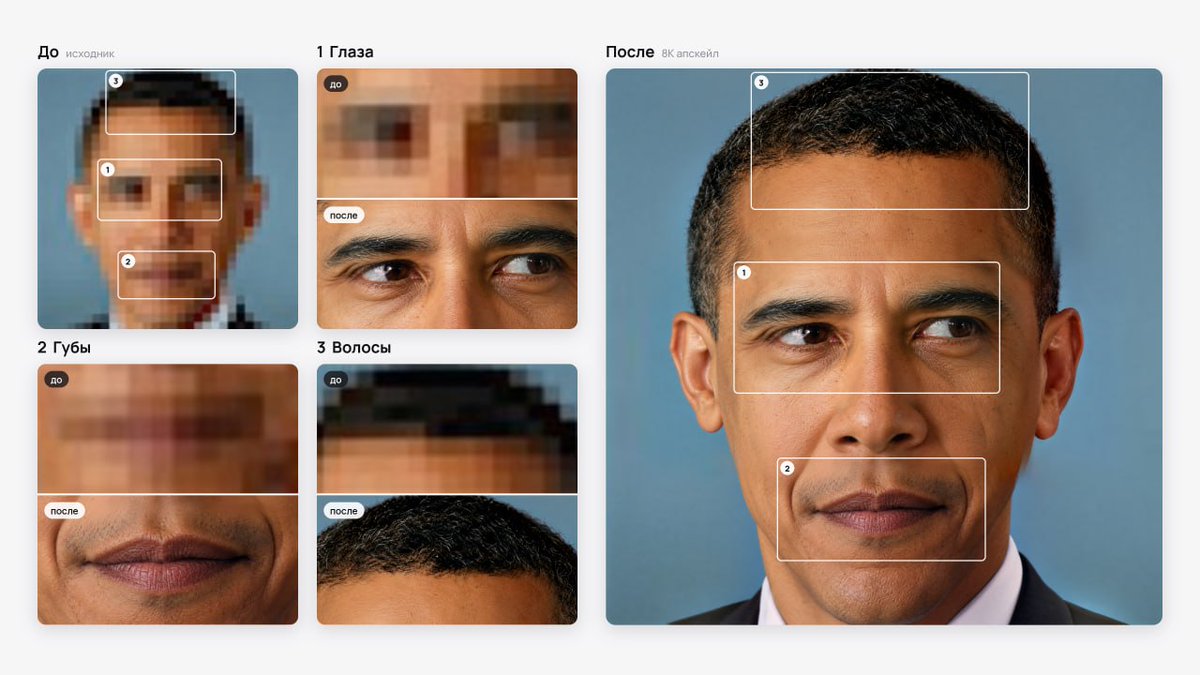
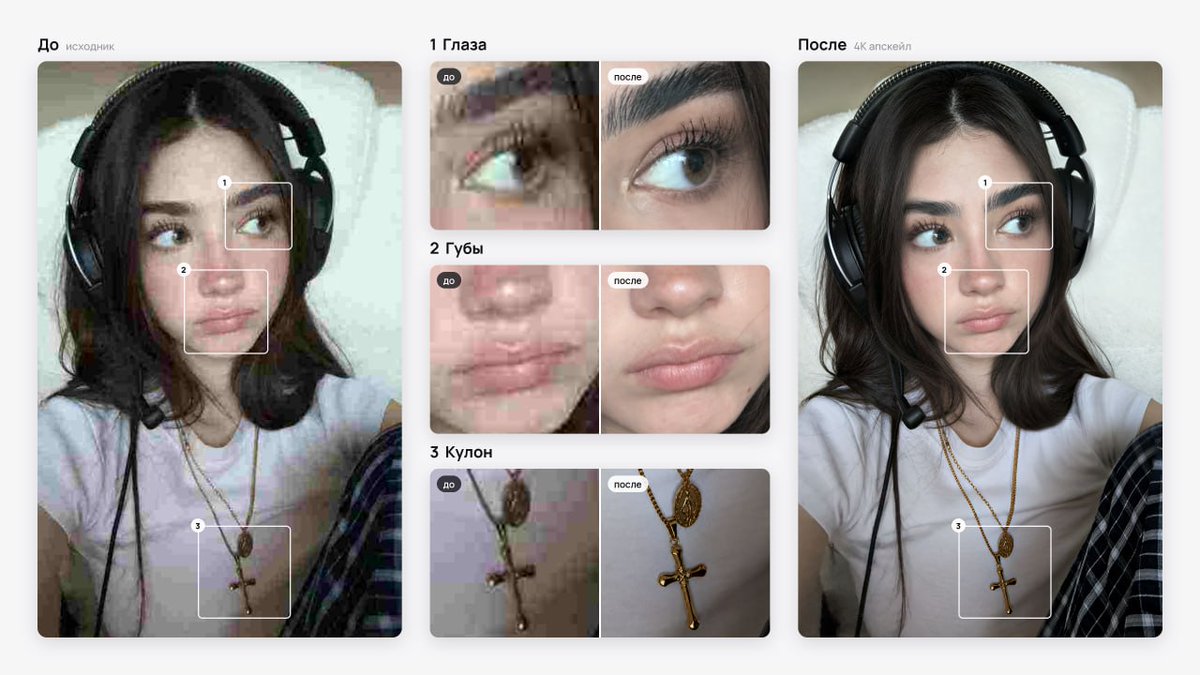
name: flowers-upscale(花卉上采样) description: 将照片提升至 8K;通过 2/3 轮上下文式 AI 增强与配准混合。 --- INPUT(输入)S=上传的照...
中文说明
name: flowers-upscale(花卉上采样) description: 将照片提升至 8K;通过 2/3 轮上下文式 AI 增强与配准混合。 --- INPUT(输入)S=上传的照片;缺失→请求补发。未指定→询问"2 轮(推荐)还是 3 轮?默认 8K;需要其他分辨率吗?" 等待选择。N=2|3;L=指定的最长边,否则为 8192;保持原始比例。探明可用的 AI 图像编辑 + 光栅处理能力;不可用→报告需求。使用环境原生工具与路径;按需创建辅助程序。保留 S;输出与原图分离。选择完成后端到端执行。 E(C):检查;AI 编辑输入=[S=context,C=target],采用实际支持的最大分辨率;保留实际输出尺寸。Prompt=Q+仅与素材相关的约束。在支持的条件下并发独立调用;立即持久化输出 +...
原始 Prompt
---
name: flowers-upscale
description: Photo to 8K; 2/3-pass contextual AI crop enhancement and registered blending.
---
INPUT S=uploaded photo; missing→request. Unspecified→ask "2 passes (recommended) or 3? 8K default; another resolution?" Await choice. N=2|3; L=specified longest edge else8192; preserve aspect. Discover available AI image-editing+raster-processing capabilities; missing→report requirement. Use environment-native tools/paths; create helpers as needed. Preserve S; separate outputs. Execute end-to-end after choice.

E(C): inspect; AI-edit inputs=[S=context,C=target], maximum practical supported resolution; retain actual output dimensions. Prompt=Q+only relevant material constraints. Concurrent independent calls where supported; persist outputs+source-coordinate boxes+prompts immediately.

P1: S→3×3 cores; pad each side20% core dimension, clip to S→9 overlapping C→E→register/blend→M1; resize assembled M1 to L.
P2: M1→4–8 padded salient ROIs(face/hair/hands/objects/textiles as present)→E→register/blend→M2. Exclude low-information regions.
N=3: M2→4–8 tighter focal ROIs(individual eyes/lips/nose/fingers/material details as present)→E→register/blend→M3. Keep homologous features consistent. Every E receives S, never crop alone.

Q="1=original: identity/anatomy/color/light authority. 2=target: return exact crop/framing/geometry. Reconstruct plausible photographic detail; preserve expression, pose, contours, clothing, genuine imperfections, focus falloff. Optical clarity; natural edge transitions; spatially varied texture. Repair inherited artifacts. Skin: irregular pores/fine creases, quiet intervals. Hair: cohesive groups, selective fibers, natural sparse fringe. Iris: source color, irregular branching fibers, coherent pupil, restrained reflections. Textiles: original weave direction/spacing/motifs. Avoid invented structures/marks, beautification, relighting, halos, ringing, embossed/crosshatched/repeated texture, synthetic grain, blanket sharpening."

ASSEMBLE: map recorded boxes→master; global similarity registration first; bounded smooth local correction only with reliable correspondence, never distort rigid geometry/repeating patterns. Unreliable→retain prior pixels. Match broad exposure/color without transferring old fine texture. Normalized overlap/multiband blend; feather15–25% border→alpha0 at interior patch boundaries. Preserve native enhanced crops. Before next pass: inspect full image+100% focal/overlap crops; repair doubling/seams/drift/texture mismatch. ≤2 targeted retries/defect; rejected/failed→retain prior content+disclose.

EXPORT: M_N→lossless PNG at L; verify dimensions+decode; deliver file+preview+prompts/settings. Describe detail as reconstructed; distinguish exported resolution from native generated resolution.

Also, an important point: run it in Codex/Work rather than the standard chat, and bump the effort level up to at least "high."

On the downside, it takes *forever* to think. The first image took me 10 minutes, and each subsequent one took even longer than the last 😐

You can also use any other image-generating agent instead of GPT - like Gemini + Nanobanana - though the result depends heavily on the agent's "brains."

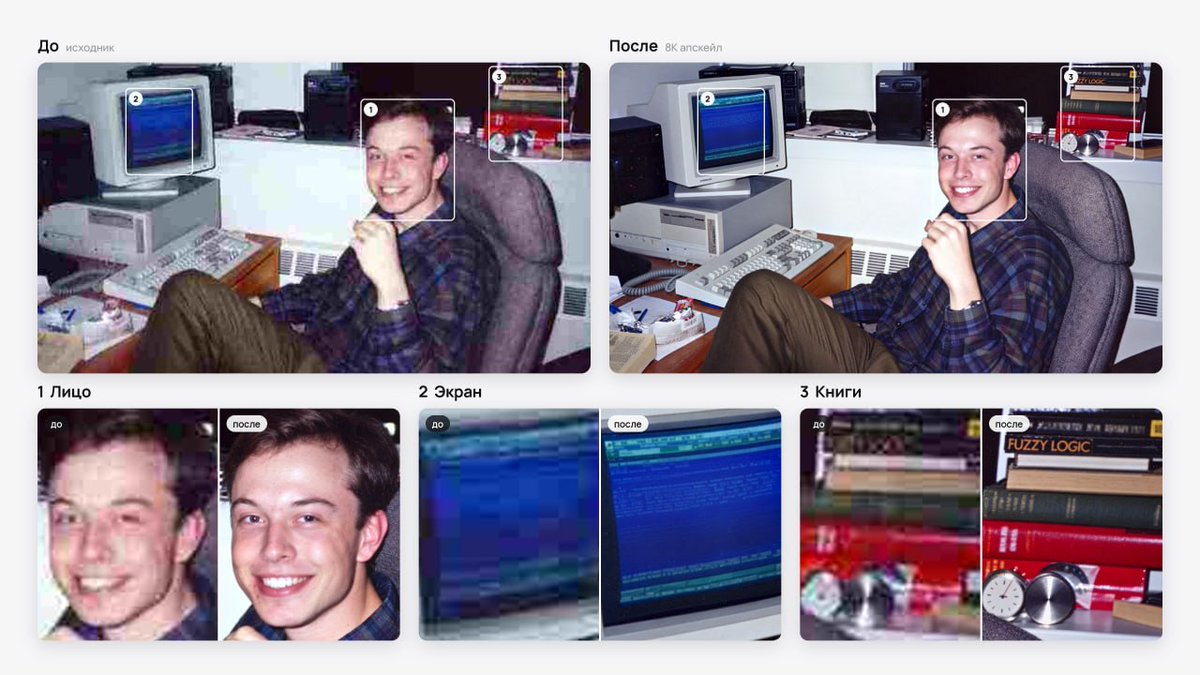
I got the best quality using the Opus 5.5 + Codex CLI image gen combo (a photo of a young Elon), but that was also the longest run by far 😁