 1/2
PROMPT RECORD图像记录
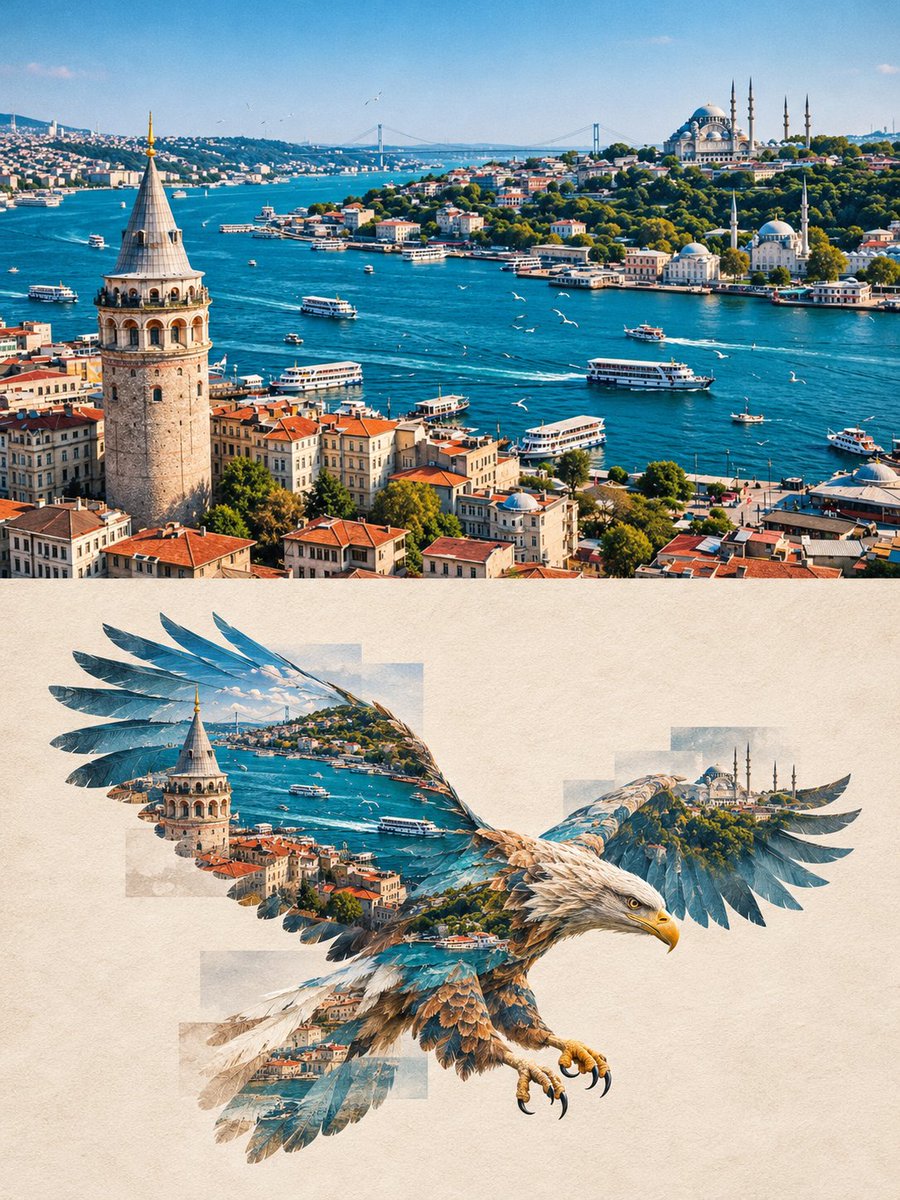
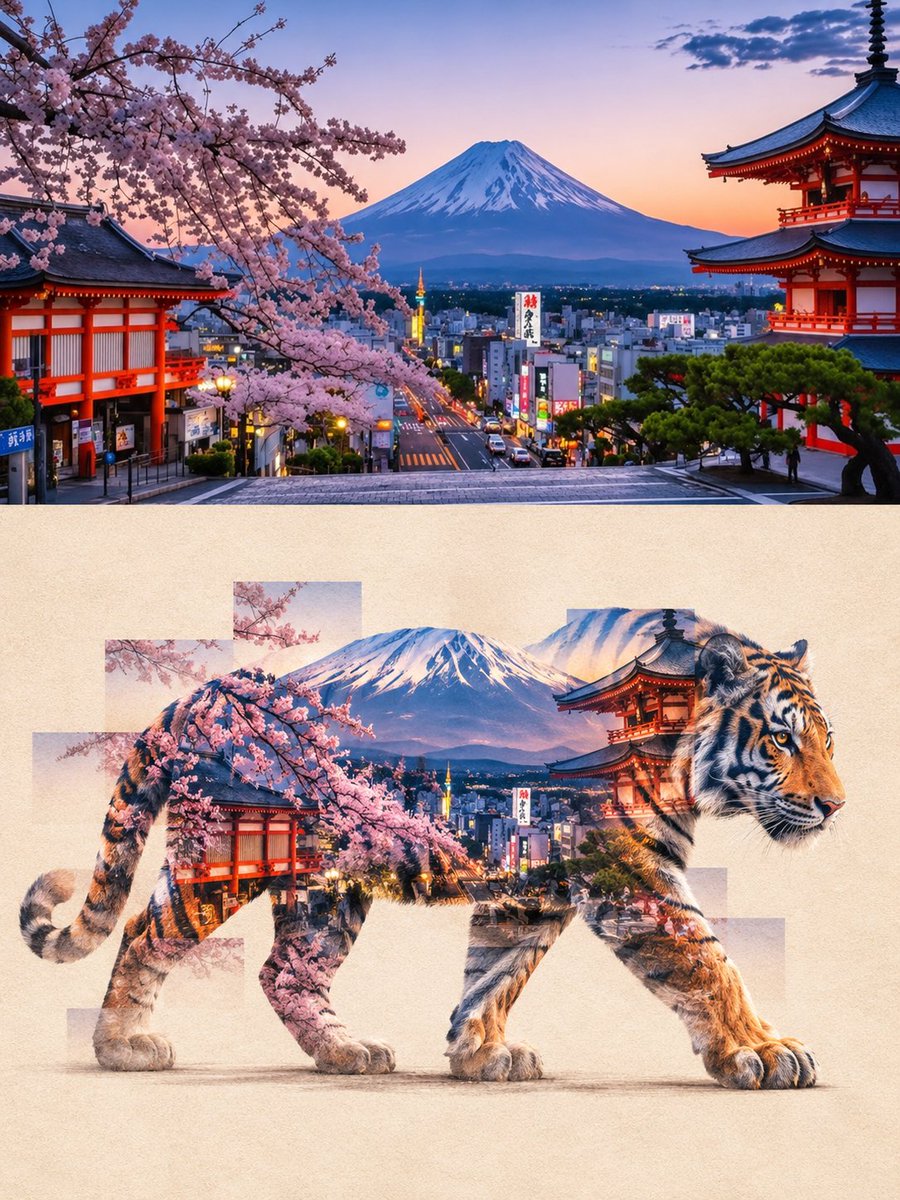
原始摄影 × 野生动物变形 — 艺术海报 以上传的照片作为唯一的视觉参考,制作一张精致的 3:4 竖版艺术海报,分为两个完全相等的水平区块(各占 50%)。不得出现文字、标志、水印或边框。 上...
中文说明
原始摄影 × 野生动物变形 — 艺术海报 以上传的照片作为唯一的视觉参考,制作一张精致的 3:4 竖版艺术海报,分为两个完全相等的水平区块(各占 50%)。不得出现文字、标志、水印或边框。 上半部分 — 原始照片: 忠实保留原始照片,包括其主体、构图、色彩、光线、纹理、比例和透视关系。仅施加细腻的高级杂志调色和轻微的胶片颗粒感。不得添加、删除、复制或扭曲任何元素。 下半部分 — 野生动物变形: 在温暖的象牙白艺术纸背景上 intelligently 分析原始照片,并依据其主体、形状、纹理、图案、色彩和视觉特征,挑选最合适的真实野生动物。 将照片中的视觉元素转化为一只完整、解剖结构准确、一眼即可辨认的野生动物,头部、身体、四肢以及该物种特有的特征都要清晰明确。这只动物必须看起来像真实的野生动物物种,而非抽象生物、...
原始 Prompt
ORIGINAL PHOTOGRAPHY × WILD ANIMAL TRANSFORMATION — ART POSTER

Using the uploaded photograph as the sole visual reference, create a sophisticated 3:4 vertical artistic poster divided into two perfectly equal horizontal sections (50% each). No text, logos, watermarks, or borders.

TOP HALF — ORIGINAL PHOTOGRAPH:

Preserve the original photograph faithfully, including its subject, composition, colours, lighting, textures, proportions, and perspective. Apply only subtle premium editorial colour grading and delicate film grain. No adding, removing, duplicating, or distorting elements.

BOTTOM HALF — WILD ANIMAL TRANSFORMATION:

On a warm ivory-white artistic paper background, intelligently analyse the original photograph and select the most suitable real wild animal based on its subject, shapes, textures, patterns, colours, and visual character.

Transform the photograph's visual elements into a complete, anatomically accurate, instantly recognizable wild animal, with clearly defined head, body, limbs, and distinctive species-specific features. The animal must look like a genuine wild species, not an abstract creature, fantasy hybrid, or generic silhouette. Never default to predetermined animals such as birds, deer, or wolves. The animal selection must depend entirely on the uploaded photograph.

Naturally integrate the original photograph's textures, colours, patterns, and lighting into the animal's body, making it appear as though the animal has emerged from the photograph. Extend 4–6 semi-transparent photographic fragments beyond its silhouette using layered slices, stepped edges, subtle offsets, and partial fading.

Keep the animal centrally positioned, occupying approximately 48–55% of the section's width and 55–62% of its height, with generous negative space.

VISUAL STYLE:

Minimalist contemporary editorial design, sophisticated photographic collage, subtle paper fibres, delicate film grain, refined print texture, and premium gallery-poster aesthetics. Use colours extracted exclusively from the original photograph.

AVOID: Unrelated animal choices, fictional creatures, incorrect anatomy, ordinary black silhouettes, generic icons, hard-edged photo masks, clutter, 3D, gradients, cartoon styling, text, logos, and watermarks.

FINAL RESULT: A visually compelling composition where the original photograph remains intact above, while its visual identity is intelligently transformed into a complete, unmistakable real wild animal below.