PROMPT RECORD图像记录
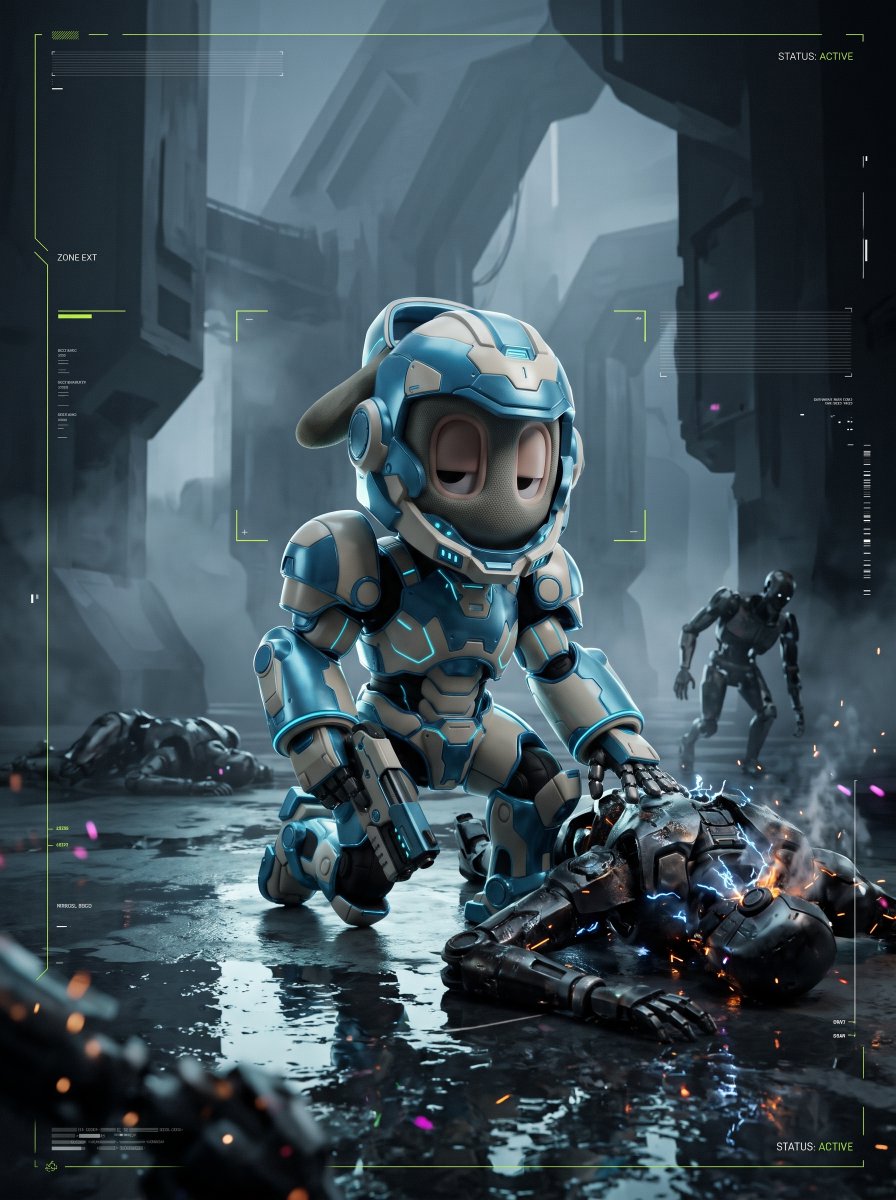
提示词分享 🚨 你的角色。一个倒下的敌人。一个电影感的画面。 ⚡ (自定义野兽) 提示词 👇 使用上传的参考角色创作一幅电影级的图形写实(graphic-realism)画面,大量借鉴未来感编...
中文说明
提示词分享 🚨 你的角色。一个倒下的敌人。一个电影感的画面。 ⚡ (自定义野兽) 提示词 👇 使用上传的参考角色创作一幅电影级的图形写实(graphic-realism)画面,大量借鉴未来感编辑风格的科幻主视觉(key art)视觉语言:大胆的图形设计、选择性写实、绘画式简化,以及高对比度霓虹点缀的极简主义。 相似度还原是最高优先事项。精确保留角色:头身比例、眼睛形状与间距、面部结构、剪影、解剖结构、颜色、材质、服装、配饰以及整体设计语言。不要将角色拟人化、重新设计,也不要添加参考图中不存在的面部特征或解剖结构。 场景: 将角色置于一个 sleek( sleek 感)的未来主义撤离区室内空间中,地面湿滑并具有反射性,建筑为纪念碑式的几何结构,弥漫柔和雾气,以及大型简化的结构形体。角色俯身倚靠在一个被击败、破损的...
原始 Prompt
Prompt Share 🚨

Your character. A fallen enemy. One cinematic frame.
⚡
(Custom Beast)

Prompt 👇

Create a cinematic graphic-realism scene using the uploaded reference character, heavily inspired by the visual language of futuristic editorial sci-fi key art: bold graphic design, selective realism, painterly simplification, and high-contrast neon-accented minimalism.

Likeness integrity is the highest priority. Preserve the character exactly: head-to-body proportions, eye shape and spacing, facial structure, silhouette, anatomy, colors, materials, clothing, accessories, and overall design language. Do not humanize, redesign, or add facial features or anatomy that are absent from the reference.
Scene:
Place the character in a sleek, futuristic extraction-zone interior with wet reflective flooring, monumental geometric architecture, soft fog, and large simplified structural forms. The character is leaning over a defeated, broken synthetic enemy unit that has electrical buzzing and sparks, with one hand resting on it while the other holds a futuristic laser gun pointed downward. One knee is on the floor. There are two more enemies on the ground in the background. Another one is broken but trying to walk.
Visual style:
The image should feel realistic at a glance, painterly and selectively simplified up close. Keep the character highly resolved in the focal plane, but allow parts of the environment to dissolve into broad tonal shapes, mist, subtle painterly filtering, and implied detail. No heavy outlines. Form is defined by light, shadow, silhouette, and bold color separation.
Camera and composition:
Vertical cinematic composition, like premium poster art. Use a 28mm lens, slightly low angle, close enough for perspective presence but wide enough to include the environment and floor reflections. Character occupies around 55 to 65 percent of the frame height. Off-center composition. Strong use of negative space. The body of the fallen unit creates a diagonal foreground anchor. Large architectural shapes and a circular or curved background form help frame the character. The overall layout should feel like a hybrid of cinematic key art and graphic editorial design.
Lighting:
Hard, directional, sculptural lighting. Cool grey-blue ambient atmosphere with sharp white light from above or the rear quarter, creating deep shadow masses and crisp rim separation. Controlled bloom and halation on bright edges. Wet surfaces catch strong specular highlights. Add a subtle warm reflection or magenta accent in small areas only. Lighting must feel graphic, precise, and cinematic, never flat.
Color palette:
Dominantly cold neutrals, blue-grey shadows, white surfaces, and black material blocks, with fluorescent acid-lime as the main accent color. Secondary accents may include hot magenta, electric cyan, and saturated cobalt blue, used very selectively. The color treatment should feel bold and branded, with intense graphic contrast but controlled saturation.
Material treatment:
Use a limited, premium material vocabulary: matte white shell surfaces, glossy black sections, technical fabric, smooth polymers, wet concrete or resin floor, and sharp reflective surfaces. Micro-detail is strongest in the focal plane only: subtle scuffs, fine surface texture, faint wear, water droplets, and tactile material transitions. Preserve the original material identity of the character.
Graphic design layer:
Integrate subtle UI and editorial overlay elements into the scene: minimal tactical interface boxes, thin line frames, small data labels, cropped numeric fragments, scanline texture, signal markers, and clean futuristic HUD details. Use them sparingly, arranged with strong graphic design discipline. They should feel like part of the world and composition, not random decoration. Typography and interface accents should use a clean futuristic style with thin modular lines and blocks, especially in acid-lime and white.
Poster/editorial influence:
Borrow the feeling of high-end graphic layout from the references: bold blocks of clean negative space, strong rectangular information panels, asymmetrical typography zones, and a carefully designed hierarchy between image and UI. The frame should feel like a still from a cinematic trailer combined with a premium design magazine spread.
Atmosphere:
Thin fog, humid haze, faint scanline texture, subtle film grain, and a few softly blurred foreground particles. Reflections on the wet floor are important. The environment should feel sterile, futuristic, and psychologically cold.
Emotional tone:
Controlled, detached, elegant, slightly eerie. The character should feel like a quiet professional inside a visually branded science-fiction world.
Constraints:
No cluttered cyberpunk street scene. No busy background full of random props. No flat lighting. No full-frame sharpness. No heavy linework. No over-rendered noise everywhere. No redesign of the character. No generic action pose. Keep the moment restrained, graphic, and deliberate.

Aspect ratio: ar 4:5