 1/4
1/4
PROMPT RECORD图像记录
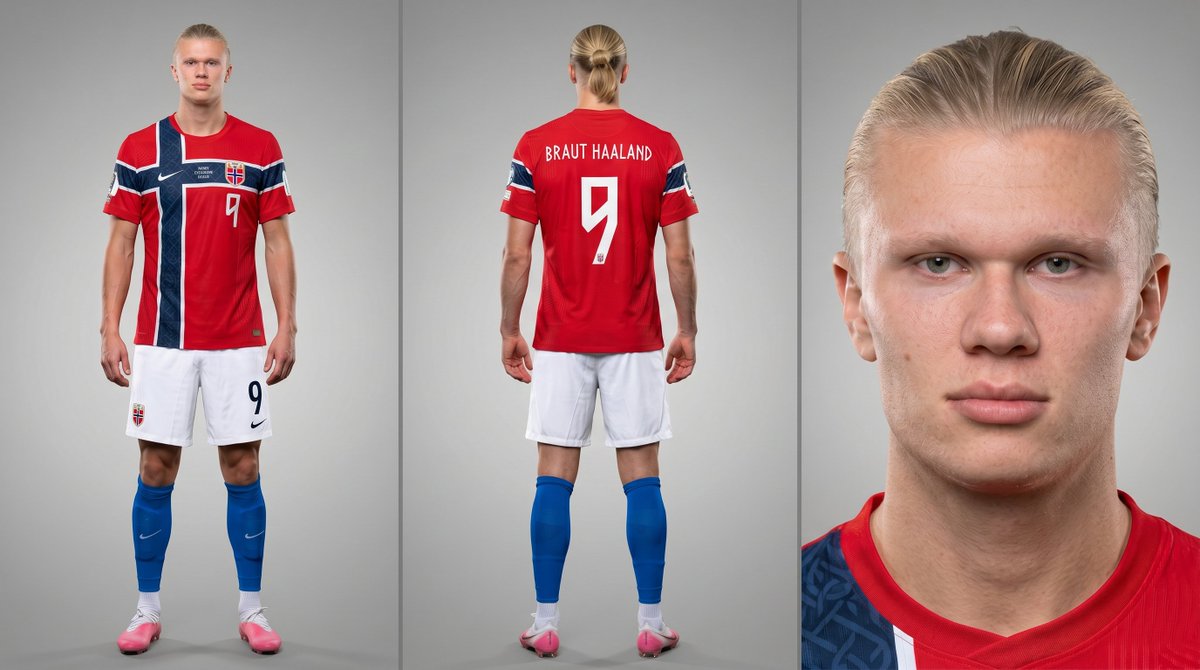
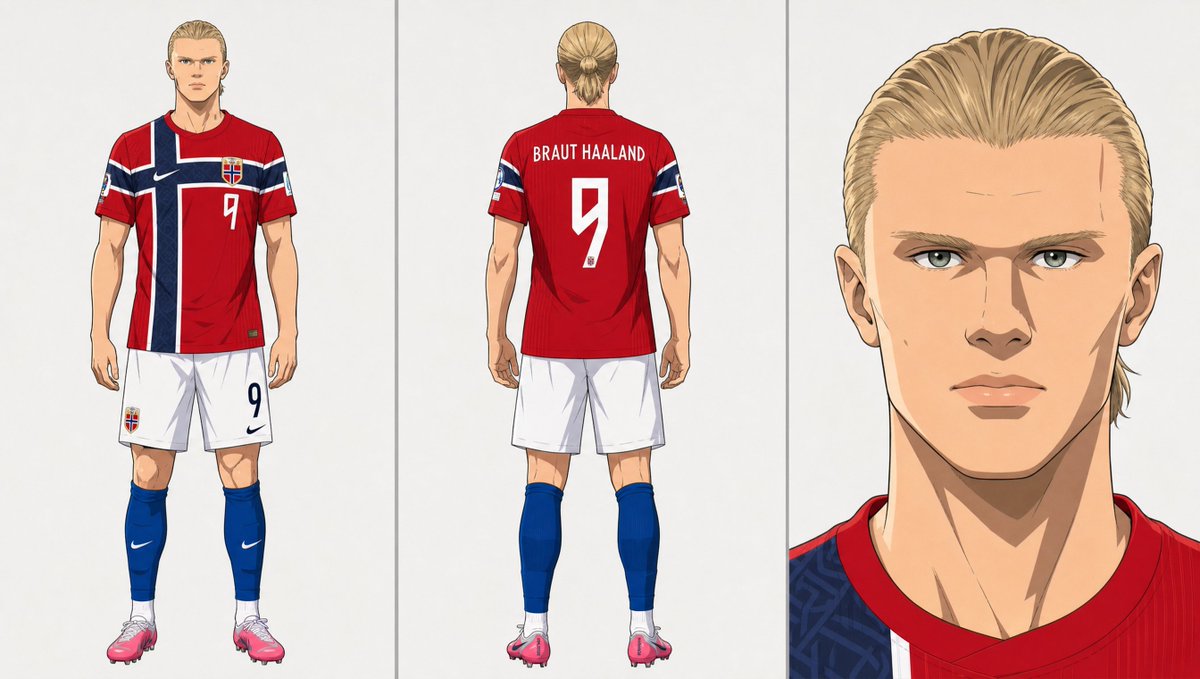
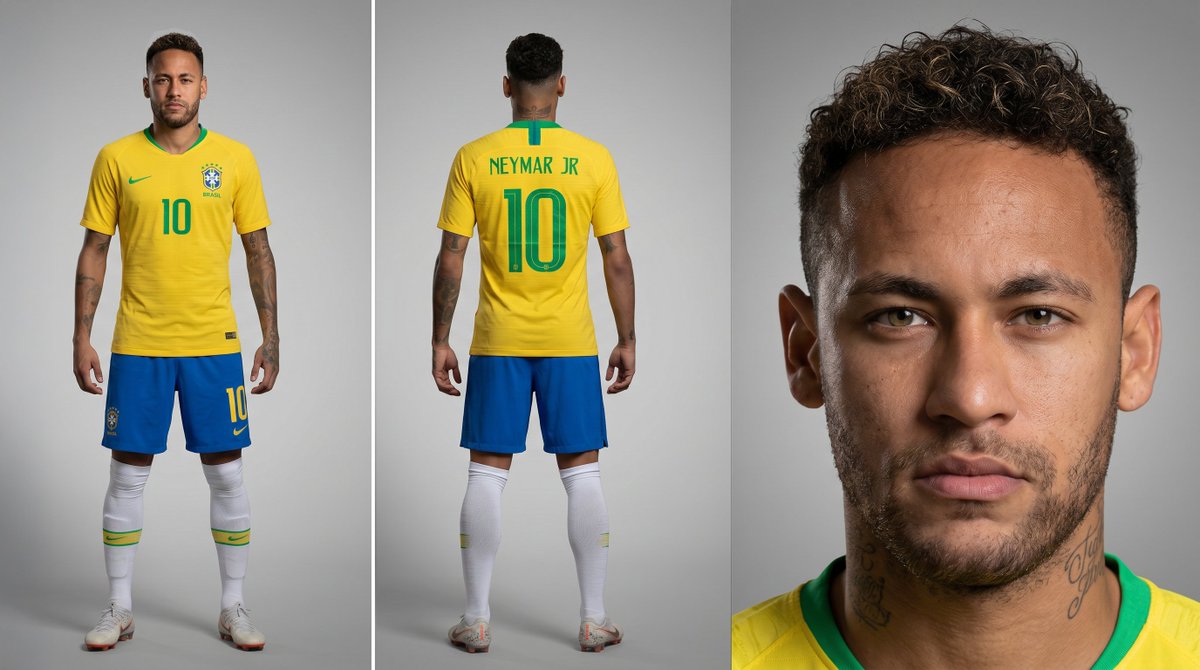
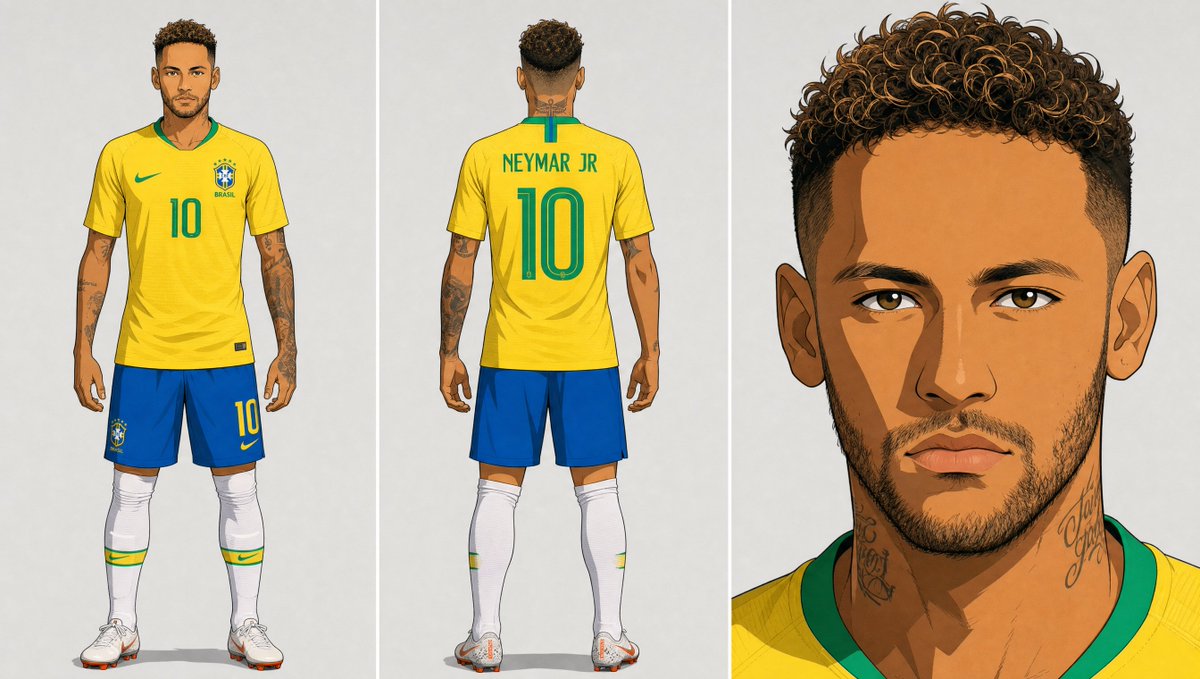
步骤一 — 角色卡片。 Nano Banana 2 首先构建出照片级真实感的球员卡片。然后 GPT Image 2 将这张完全相同的卡片重绘为动漫风格 —— 保持相同的布局、相同的身份识别特征...
中文说明
步骤一 — 角色卡片。 Nano Banana 2 首先构建出照片级真实感的球员卡片。然后 GPT Image 2 将这张完全相同的卡片重绘为动漫风格 —— 保持相同的布局、相同的身份识别特征、换上全新的风格。 用于 GPT-2 的动漫转换提示词👇🏻 将这张真实照片风格的足球运动员角色参考表整体转换为现代日式热血体育动漫风格。将角色以二维手绘赛璐璐动画的方式呈现:干净的深色线稿、双调赛璐璐明暗、符合现实成年男性的面部比例、细致的虹膜高光。发型、发色、胡须、肤色和体型必须与原图完全一致 —— 保留完整的身份识别特征。球衣装备的每一件物品都要逐项忠实复刻。干净的角色参考表,柔和均匀的灯光,不要速度线、不要特效、不要文字或水印。不是照片级真实感,不是 CGI,不是 3D 渲染。 用于 Nano Banana 2 的基...
原始 Prompt
Step 1 — Character cards.

Nano Banana 2 builds the photoreal player sheet first. Then GPT Image 2 repaints that exact card as anime — same layout, same identity, new style.

The anime-conversion prompt for GPT-2👇🏻

Convert this real-photo soccer player character sheet entirely into modern Japanese hot-blooded sports anime style. Render the character as 2D hand-drawn cel animation: clean dark lineart, two-tone cel shading, realistic adult male facial proportions, detailed iris highlights. Keep the hairstyle, hair color, beard, skin tone and physique identical to the source image — preserve full identity recognition. Reproduce every piece of the kit faithfully, item by item. Clean character reference sheet, soft even lighting, no speed lines, no VFX, no text or watermark. Not photorealistic, not CGI, not 3D render.

The base card prompt for Nano Banana 2👇🏻

Create a professional character reference sheet based strictly on the uploaded reference image. Use a clean, neutral plain background (light-to-dark gray gradient) and present the sheet as a technical model turnaround while matching the exact realistic visual style of the reference — same realism level, rendering approach, skin/fabric texture, color treatment, and overall aesthetic.

# COMPOSITION
Arrange the sheet into three equal-width vertical panels side-by-side, each spanning the full height of the frame, with a thin clean gutter between panels. All three panels share the same background and same camera distance-to-subject ratio.

PANEL 1 (left) — Full-body front view: subject facing the camera directly, standing naturally, head-to-toe fully visible.

PANEL 2 (center) — Full-body back view: subject facing away from the camera, same pose and scale as Panel 1, head-to-toe fully visible.

PANEL 3 (right) — Face close-up: a single large front-facing portrait, cropped from top of hair to shoulders, centered in the frame, looking straight at the camera.

# IDENTITY CONSISTENCY
Maintain perfect identity consistency across all three panels: same face, hairstyle, hair color, skin tone, body proportion, outfit, accessories, and footwear. Treat the reference image as the absolute source of truth — do not invent new details, do not change clothing, do not add jewelry that isn't in the reference.

# POSE & FRAMING
Keep the subject in a relaxed, neutral standing pose for both full-body panels, with identical scale and head-height alignment between front and back views. Accurate anatomy, clear silhouette, feet flat on the ground. The face close-up should match the same facial expression and head angle as the front full-body view, just scaled up.

# LIGHTING
Consistent lighting across all three panels — same direction, intensity, and softness. Natural, controlled shadows that preserve detail. No dramatic mood lighting, no rim lights, no colored gels.

# ON-IMAGE TEXT
Do not include any text, titles, logos, watermarks, labels, or decorative banners anywhere on the sheet. The sheet should contain only the character imagery and clean background.

# OUTPUT
Crisp, print-ready reference sheet look. Sharp details, high resolution. Production-grade character design document.