 1/4
PROMPT RECORD图像记录
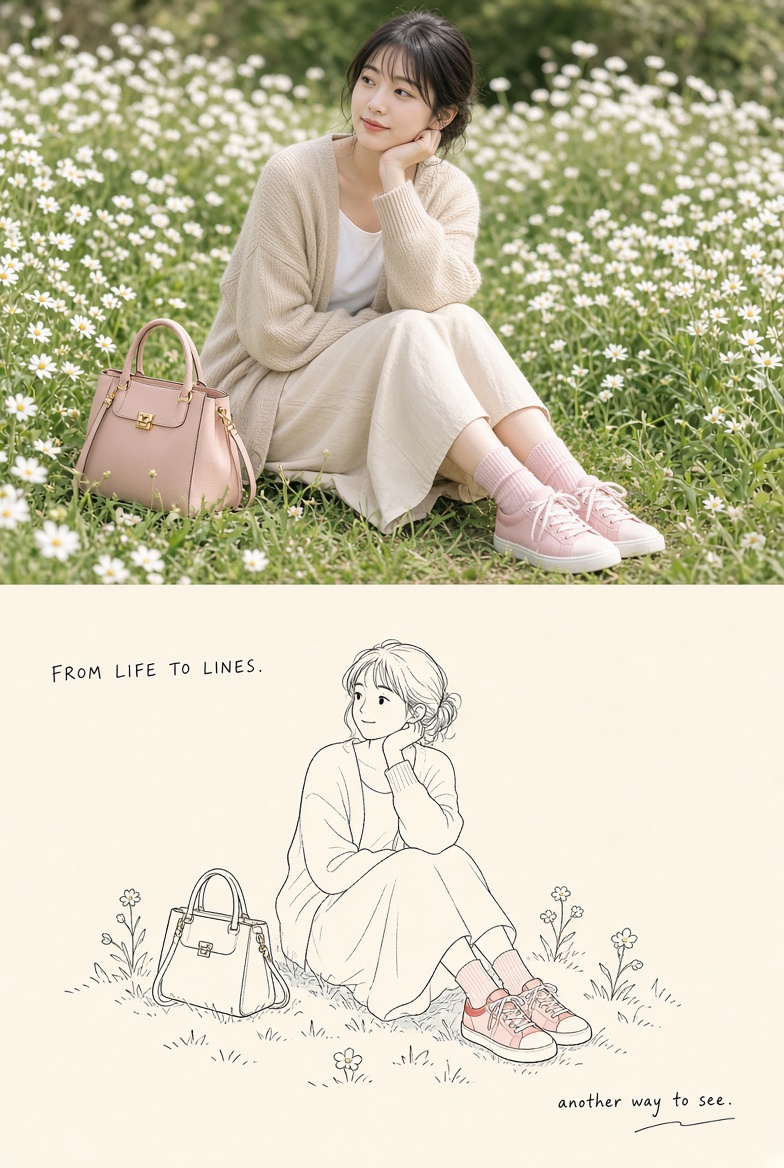
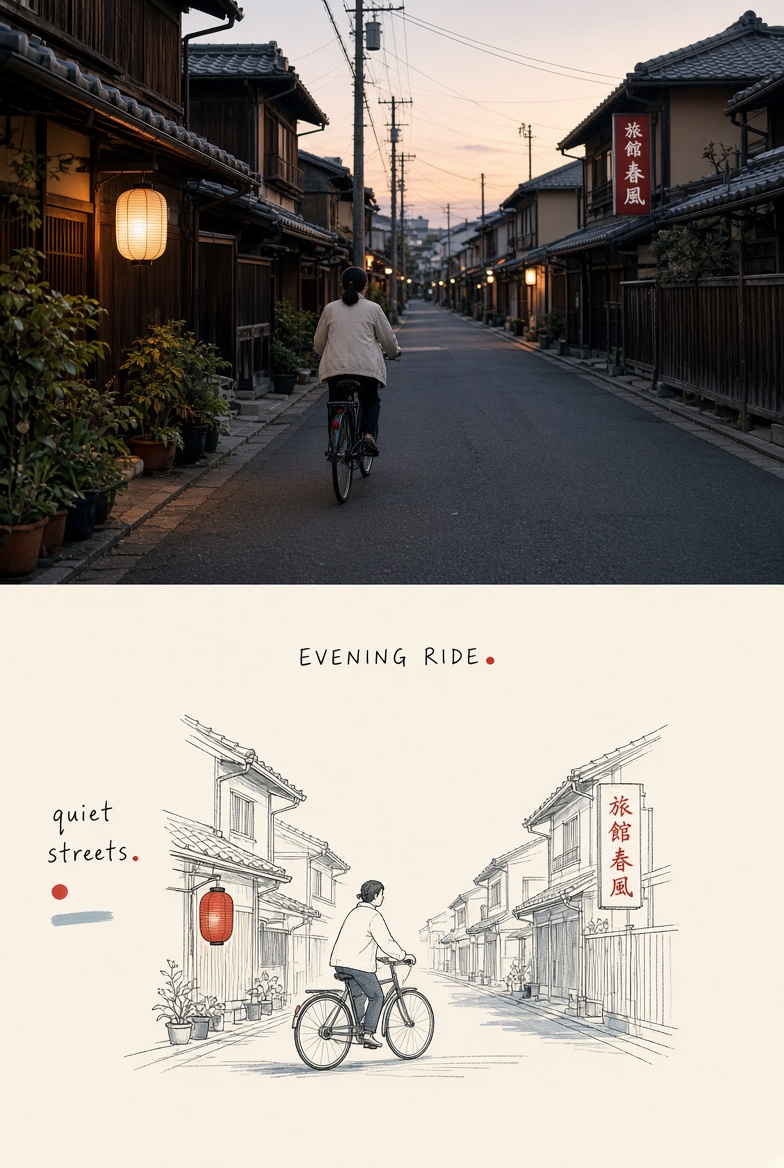
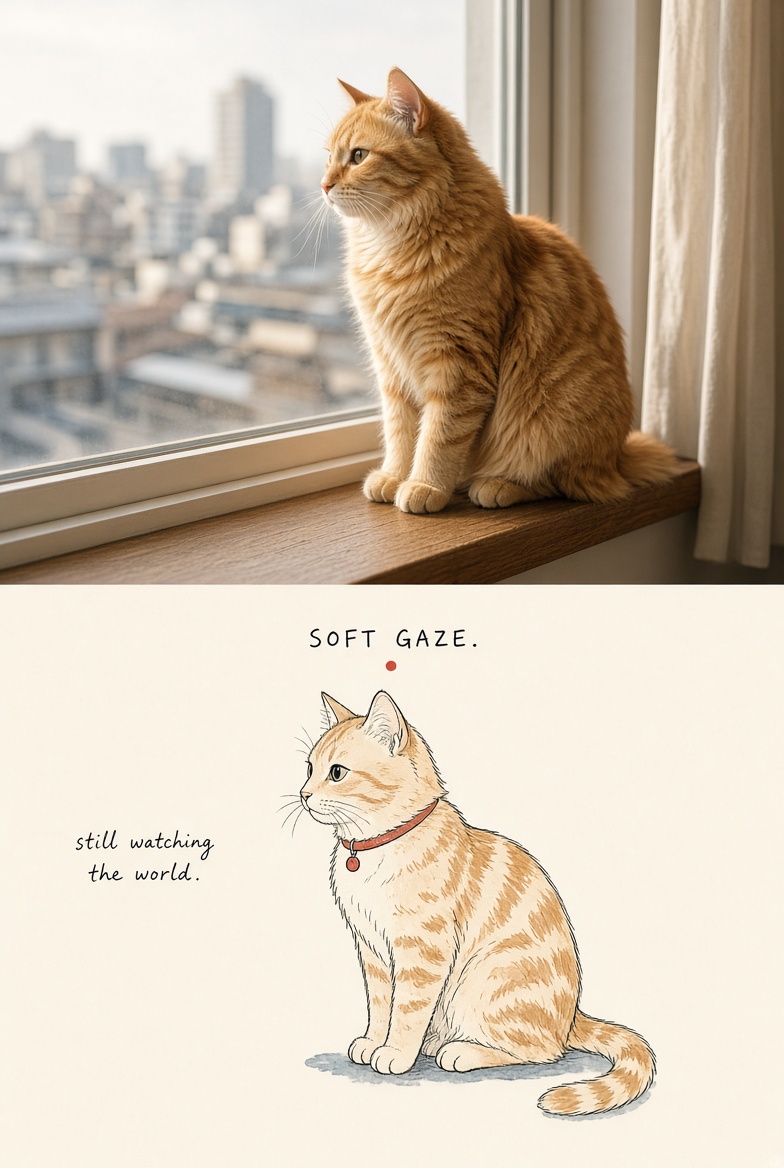
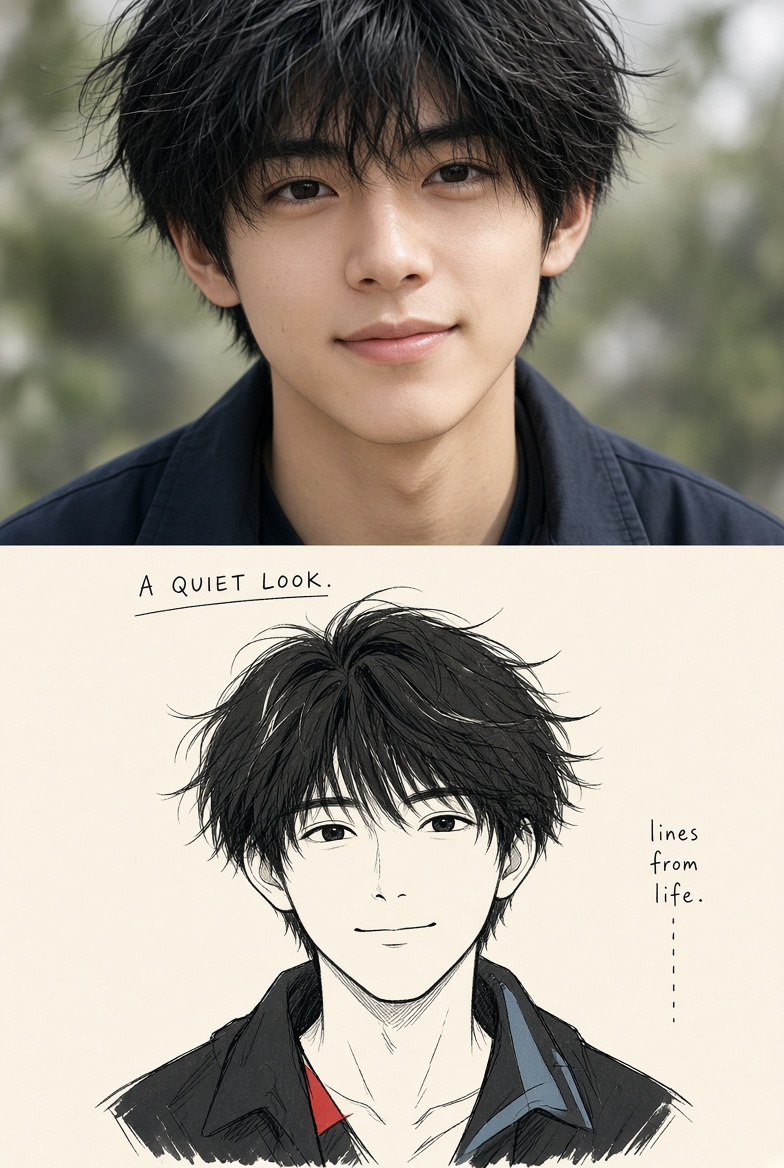
创作一张 3:4 分栏「照片转日式插画」海报 将上传的照片转换为一幅竖向构图的 3:4 对比海报。上半部分展示原始照片,下半部分呈现同一张照片忠实重绘而成的日式手绘漫画插画,呈现有限配色的印刷...
中文说明
创作一张 3:4 分栏「照片转日式插画」海报 将上传的照片转换为一幅竖向构图的 3:4 对比海报。上半部分展示原始照片,下半部分呈现同一张照片忠实重绘而成的日式手绘漫画插画,呈现有限配色的印刷海报质感。 将画布划分为两个相等的水平区块,各占总高度的精确 50%。两个区块宽度必须相同。水平分界线应无缝衔接,不得有间隙、边框、重叠或装饰性分隔条。 1. 上半部分 —— 原始照片 - 完整保留原始照片的原貌。 - 不得对照片进行重绘、改色、修图,也不得在照片上添加任何文字。 - 等比缩放,不得拉伸或扭曲图像。 - 如有必要,先裁剪外围背景区域,同时保留主体与重要视觉细节。 - 若在不影响关键内容的前提下无法适配长宽比,则以浅灰奶油色背景延展边缘。绝不可臆造或重建原照片中缺失的部分。 2. 下半部分 —— 日式手绘插画...
原始 Prompt
Task: Create a 3:4 Split-Panel Photo-to-Japanese Illustration Poster

Transform the uploaded photograph into a vertically composed 3:4 comparison poster. The upper half displays the original photograph, while the lower half features a Japanese hand-drawn manga illustration with a limited-color print-poster aesthetic, faithfully redrawn from the same photograph.

Divide the canvas into two equal horizontal sections, each occupying exactly 50% of the total height. Both sections must have the same width. The horizontal division should connect seamlessly, with no gap, border, overlap, or decorative separator.

1. Upper Half — Original Photograph

- Preserve the original photograph exactly as it is.
- Do not redraw, recolor, retouch, or add any text to the photograph.
- Scale proportionally without stretching or distorting the image.
- If necessary, crop peripheral background areas first while preserving the main subject and important visual details.
- If the aspect ratio cannot be accommodated without compromising essential content, extend the edges with a light grayish-cream background. Never invent or reconstruct missing parts of the original photograph.

2. Lower Half — Japanese Hand-Drawn Illustration

Redraw the photograph as a Japanese-inspired hand-drawn manga illustration with a minimalist, limited-color screen-print poster aesthetic.

The original photograph is the exclusive source of the subject's identity, appearance, pose, structure, composition, layout, and relationships between objects.

For people:

- Preserve recognizable facial shape, hairstyle silhouette, expression, pose, gestures, and clothing category.
- Simplify the face into clean manga-style shapes.
- Render hair as grouped, flowing masses rather than individual strands.
- Express clothing through elegant, simplified fashion silhouettes.

For animals:

- Preserve the species, body proportions, distinctive coat-color patterns, and pose.
- Use simplified contours and flat color blocks to retain recognizability.

For objects:

- Preserve the original silhouette, essential structural details, and proportions.

For landscapes and scenery:

- Preserve the terrain, architecture, distribution of visible elements, and spatial depth.
- Redraw the main landscape as a cohesive illustration rather than reducing it to an isolated object.

Preserve all visible contact, overlap, and occlusion relationships. Depict only what is visible in the source photograph. Do not introduce new subjects, props, gestures, or structures outside the original image.

If an additional style reference is provided, use it only for drawing technique, color palette, and layout. Never copy its subjects or content.

3. Linework and Color Treatment

Use a consistent combination of delicate ink outlines, naturally simplified shapes, and limited-color flat fills.

- Ink outline: Near-black "#02030B", with varied pressure, subtle line-weight changes, occasional pauses, and slightly irregular hand-drawn edges.
- Keep internal lines minimal, retaining only the structural details necessary to define form.
- Use clean, continuous, opaque color blocks.
- Merge shadows into a small number of hard-edged color shapes.
- Avoid individual hair strands, dense hatching, photorealistic textures, and excessive decorative detail.
- Preserve the subject's essential natural colors and distinctive identifying color patterns.

Lower-panel background: Light grayish cream "#ECEDE5".

Primary accent: Warm red "#E9444B".

Secondary accent: Muted blue-gray "#5296BD".

Use red as the dominant accent and blue sparingly. Ensure that accent colors complement the subject without compromising its recognizability.

 on all sides.
- Do not let the illustration touch the edges or fill the entire panel.
- Do not use large background color blocks to fill the empty space.
- Do not add a border around the illustration