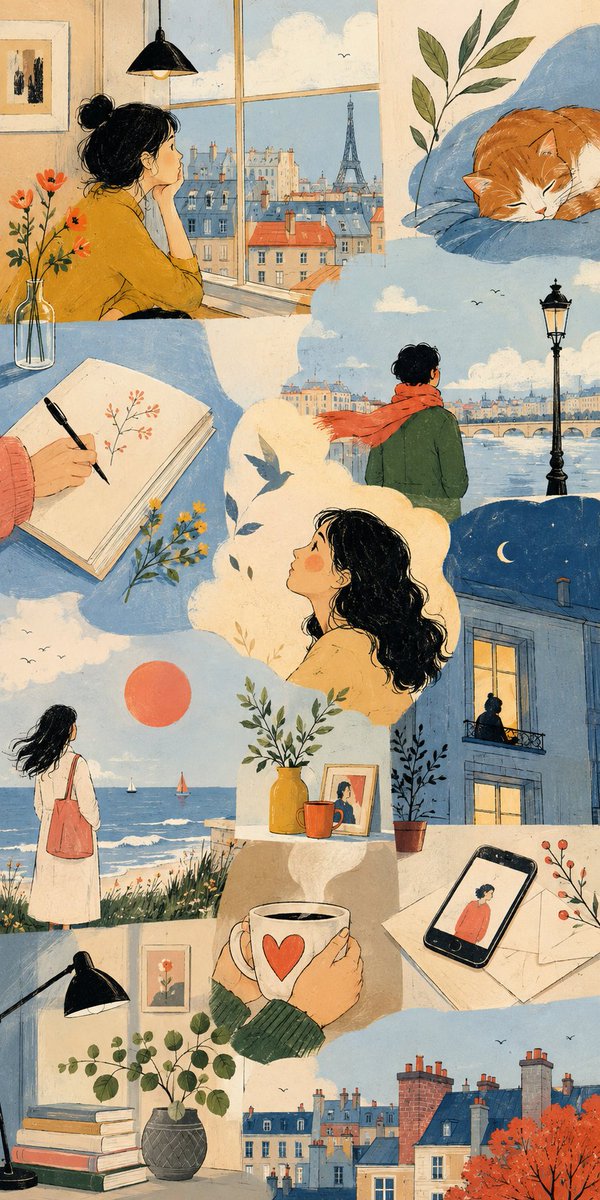
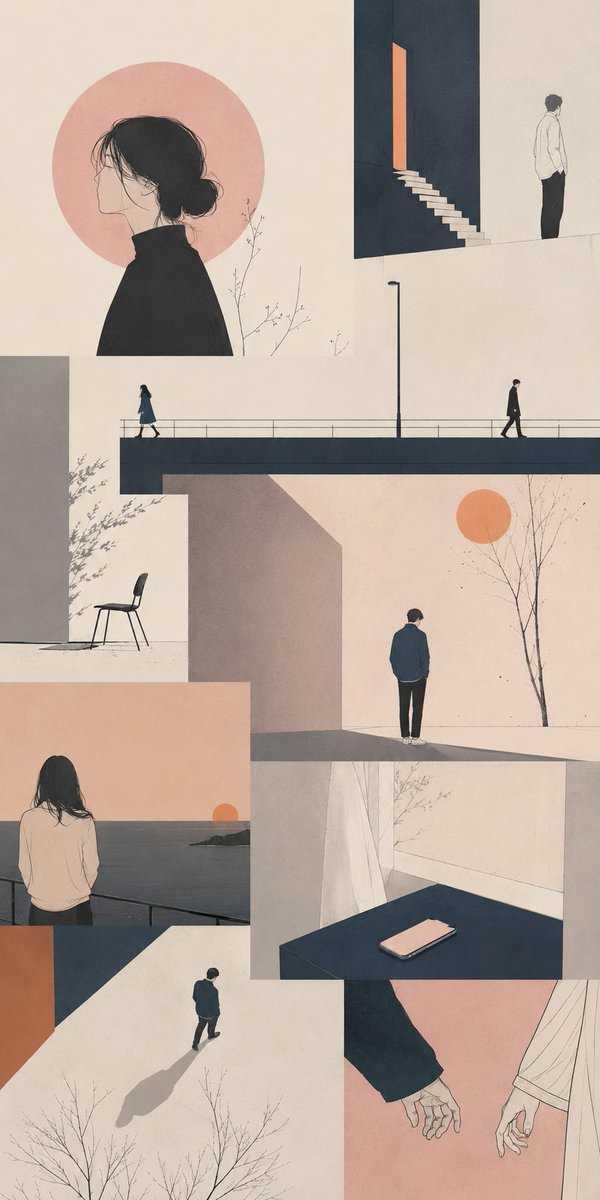
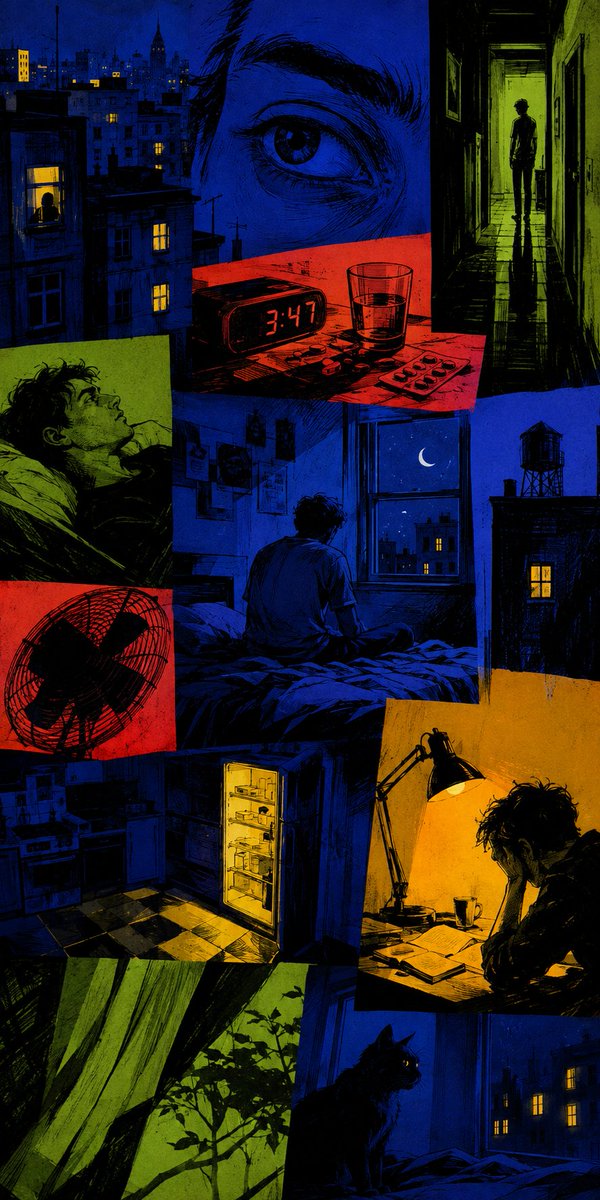
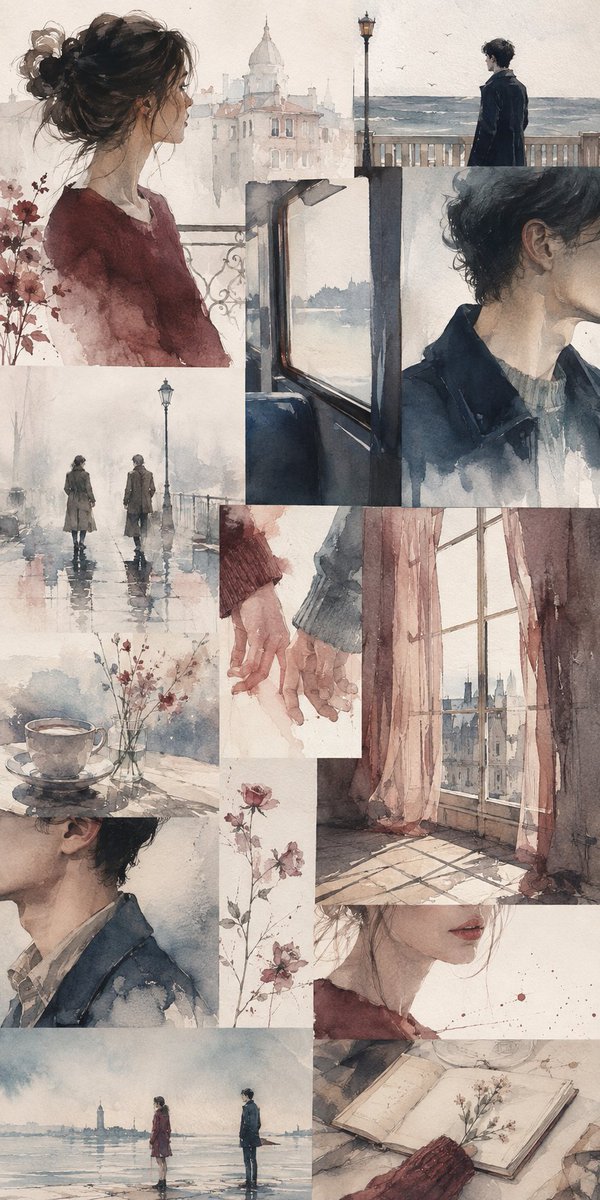
 1/4
1/4
PROMPT RECORD图像记录
主题 = 输入主题 风格 = 输入你想要的风格 色板 = 输入配色方案 宽高比 = 输入你想要的宽高比 需要执行: 围绕主题构建一幅完全以主题为核心的艺术性多场景拼贴画。 从主题中自然地衍生出...
中文说明
主题 = 输入主题 风格 = 输入你想要的风格 色板 = 输入配色方案 宽高比 = 输入你想要的宽高比 需要执行: 围绕主题构建一幅完全以主题为核心的艺术性多场景拼贴画。 从主题中自然地衍生出主体、环境、物件、角色与视觉事件。 从主题中自然地衍生出情绪基调、氛围与能量。 在能有意义地支撑主题时,使用人物、动物、物件、风景、建筑、抽象形态或它们的任意组合。 将每个场景视为同一世界中一段独特的情感或概念片段。 将整体构图构建成富有表现力的编辑式艺术版面,而非分镜或常规的网格分格。 自由变化场景的数量、尺度、比例与位置。 将大型主导画面与窄长的竖向片段、宽幅的横向裁切、小型细节场景及部分裁切的构图相结合。 错落排布场景边缘并偏移对齐方式,以形成不规则的视觉节奏。 让部分场景完全延伸至画布边缘,而其他场景则在相邻画面处...
原始 Prompt
THEME = enter theme
STYLE = enter the style you want
PALETTE = enter the color palette
ASPECT RATIO = enter the aspect ratio you want

DO:
  Create an artistic multi-scene collage built entirely around THEME.
  Derive subjects, environments, objects, characters and visual events naturally from THEME.
  Derive the emotional tone, atmosphere and energy naturally from THEME.
  Use people, animals, objects, landscapes, architecture, abstract forms or any combination of them when they meaningfully support THEME.
  Treat each scene as a distinct emotional or conceptual fragment from the same world.
  Build the composition like an expressive editorial art spread rather than a storyboard or regular panel grid.
  Freely vary the number, scale, proportions and placement of scenes.
  Combine large dominant images with narrow vertical fragments, wide horizontal crops, small detail scenes and partially cropped compositions.
  Stagger scene edges and shift their alignments to create an irregular visual rhythm.
  Let some scenes extend fully to the canvas edge while others terminate against neighboring imagery.
  Use occasional L-shaped, stepped or offset arrangements created naturally by neighboring scene proportions.
  Avoid repeating the same rectangle size or alignment across the composition.
  Keep scenes visually separate without visible frames or empty gaps between them.
  Let neighboring scenes meet through irregular crop relationships while keeping their environments independent.
  Do not blend separate locations into one continuous environment.
  Keep the main subjects of each scene visually contained within that scene.
  Use architecture, large color fields and negative space to shape the overall composition.
  Connect neighboring scenes through color relationships, visual rhythm and thematic echoes rather than physically merging their content.
  Choose environments and situations specifically suited to THEME.
  Include occasional intimate fragments such as hands, objects, windows, silhouettes, architectural details or empty spaces when they strengthen THEME.
  Give each scene a different visual scale, point of view and conceptual focus.
  Use expressive lighting, shape, perspective and negative space according to STYLE.
  Vary the emphasis of PALETTE from scene to scene while preserving overall harmony.
  Maintain consistency whenever subjects, characters, objects or locations recur.
  Keep the final composition visually clean, sophisticated and intentionally irregular.

CAMERA: varied editorial framing, environmental wides, cropped medium views, isolated details, unusual negative-space compositions, overhead fragments and off-center perspectives chosen according to THEME

RULES:
  Use STYLE as the authority for medium, linework, texture, shading, shape design and overall rendering language.
  Use PALETTE as the dominant color system across the image.
  Let THEME determine subjects, setting, mood, symbolism and visual narrative.
  Every scene must explore a different facet of THEME.
  The composition must feel assembled, layered and rhythmically irregular rather than divided into uniform boxes.
  Keep individual scenes independently readable while allowing their shapes and proportions to interact compositionally.
  Use asymmetry, scale contrast, staggered alignment and varied cropping to create the collage structure.
  Do not use visible panel outlines.
  Render every surface freshly, with continuous natural texture flow.
  Keep grain fine, stochastic, and evenly distributed across the frame.
  Give each repeated element its own unique micro-variation.
  Keep flat areas smooth with clean, unbroken tonal gradients.
  Resolve fine detail crisply at native resolution, as a first-generation render.

NO: rigid grid, equal-sized panels, repeated rectangular boxes, visible panel borders, white gutters, margins, outer padding, blended environments, fused scenes, characters spanning multiple scenes, conventional comic-page layout, speech bubbles, captions, text, logos, watermarks