 1/2
1/2
PROMPT RECORD图像记录
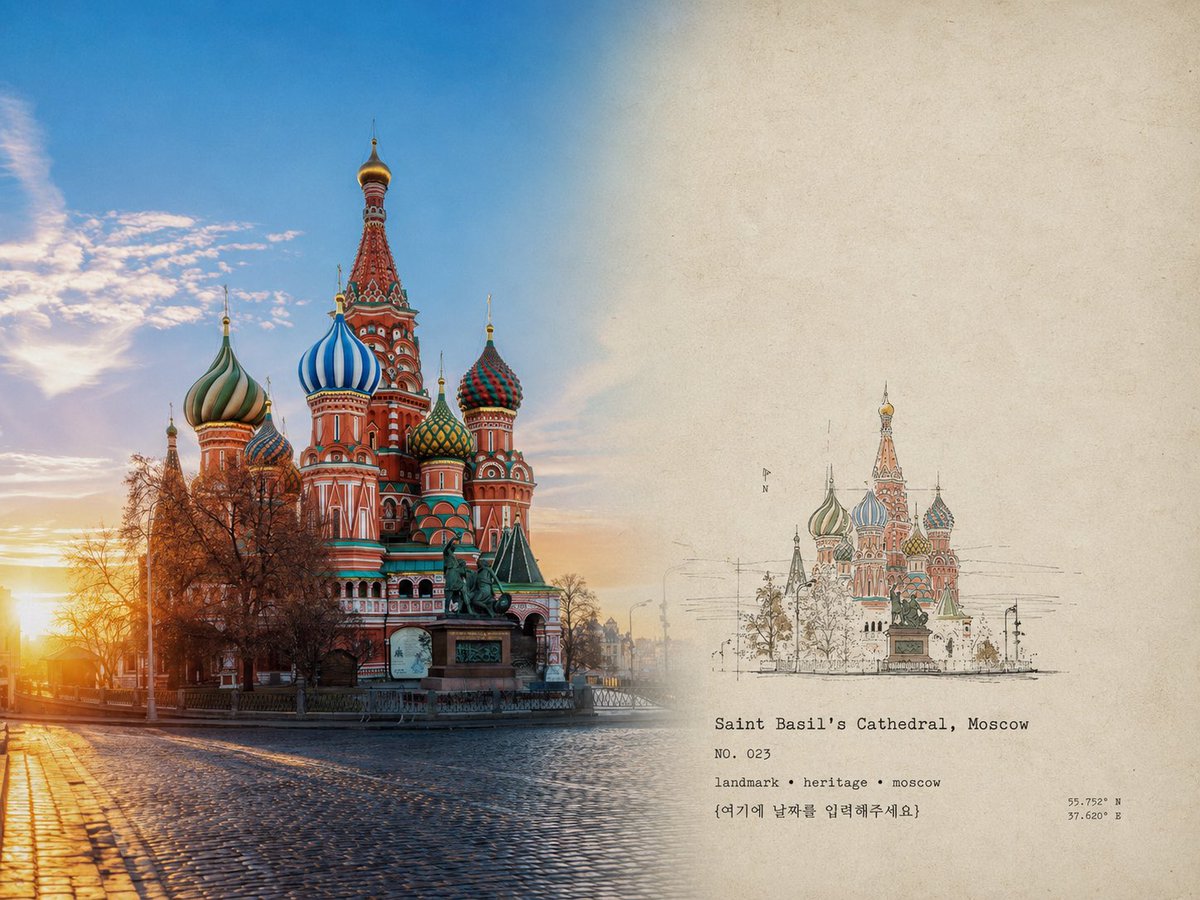
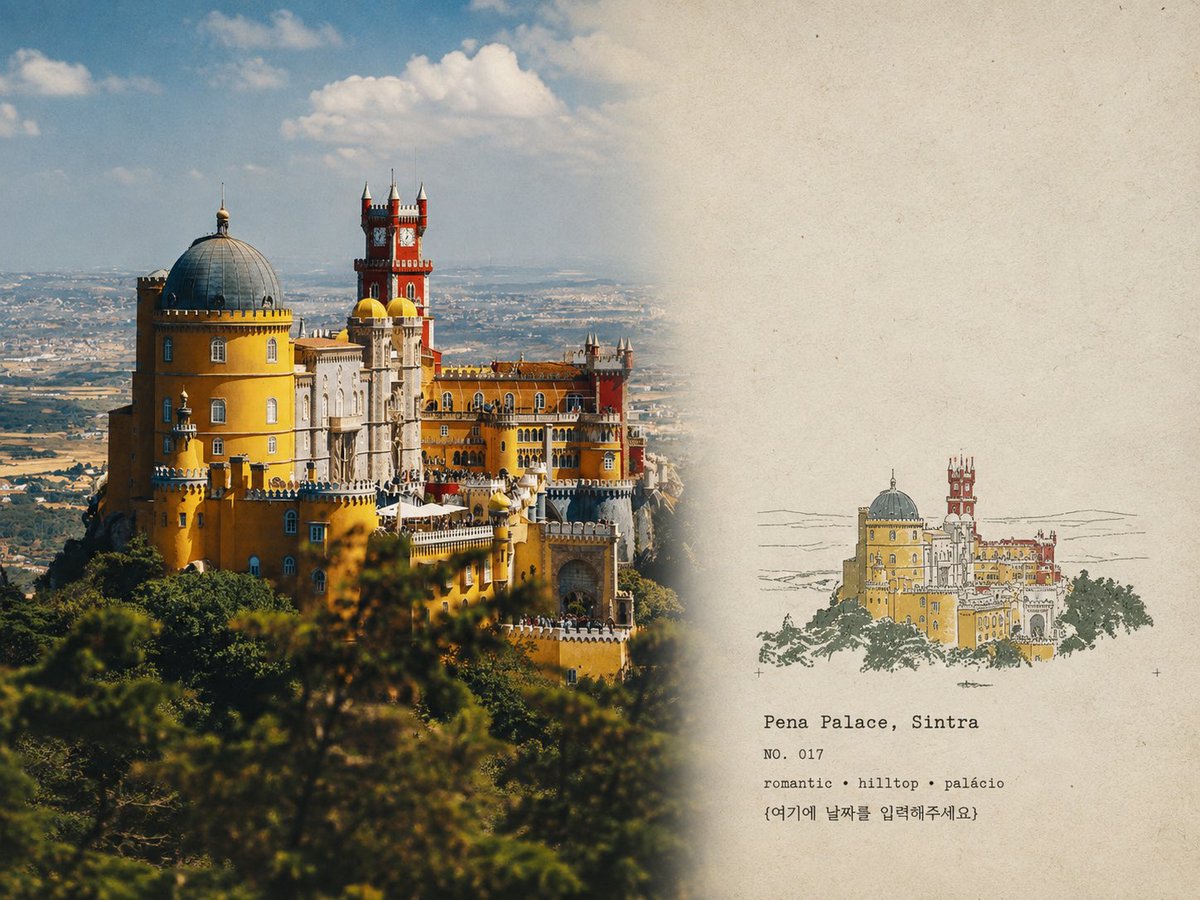
使用上传的照片作为主要素材。每张照片单独输出,绝不拼接为拼贴图。 创建一张精致的 4:3 横向编辑风格田野考察笔记页面。 左侧 60% — 原始照片 以最高保真度保留照片:主体、建筑、地形、人...
中文说明
使用上传的照片作为主要素材。每张照片单独输出,绝不拼接为拼贴图。 创建一张精致的 4:3 横向编辑风格田野考察笔记页面。 左侧 60% — 原始照片 以最高保真度保留照片:主体、建筑、地形、人物、植被、透视、光照、阴影、色彩与质感。不要重绘、扭曲、替换或改变主体。仅可进行细微的专业调色和细腻的胶片颗粒处理。 右侧 40% — 档案纸 使用带有细微纤维与自然纹理的温暖做旧象牙色纸张。保留大量干净的留白。 基于照片中最具辨识度的元素——主要建筑、天际线、山脉、树木、道路、岸线或地形——绘制一幅小幅的手工印刷式地形/建筑记忆速写。保持极简,不要做成完整插画。 使用从照片中提取的 2–4 种柔和色彩,并带有真实的手工印刷瑕疵:墨色不均、断线、纸张透墨、墨干、边缘粗糙以及轻微套色错位。 添加小幅的档案打字机文字: LOC...
原始 Prompt
Use the uploaded photo as the primary source. Output each photo individually, never as a collage.

Create a refined 4:3 landscape editorial field-journal page.

LEFT 60% — ORIGINAL PHOTO
Preserve the photo with maximum fidelity: subject, architecture, terrain, people, vegetation, perspective, lighting, shadows, colors, and textures. Do not redraw, distort, replace, or alter the main subject. Only subtle professional color grading and fine film grain.

RIGHT 40% — ARCHIVAL PAPER
Use warm aged ivory paper with subtle fibers and natural grain. Keep plenty of clean whitespace.

Create a small hand-printed topographic/architectural memory sketch based only on the most recognizable elements of the photo—main architecture, skyline, mountains, trees, roads, shoreline, or terrain. Keep it minimal, not a full illustration.

Use 2–4 muted colors extracted from the photo, with authentic handmade print imperfections: uneven ink, broken lines, paper show-through, dry ink, rough edges, and slight misregistration.

Add small archival typewriter text:

LOCATION NAME
NO. [NUMBER]
KEYWORD · KEYWORD · KEYWORD
[YEAR]
{여기에 날짜를 입력해주세요}

Overall feeling: quiet, sophisticated, architectural, documentary, tactile, vintage field notebook.

Avoid: dividing lines, split-screen effect, seals, postcards, logos, stickers, tourist templates, smooth vectors, cartoon style, 3D effects, oversaturation, excessive detail, excessive text, and any alteration of the original photograph.