PROMPT RECORD图像记录
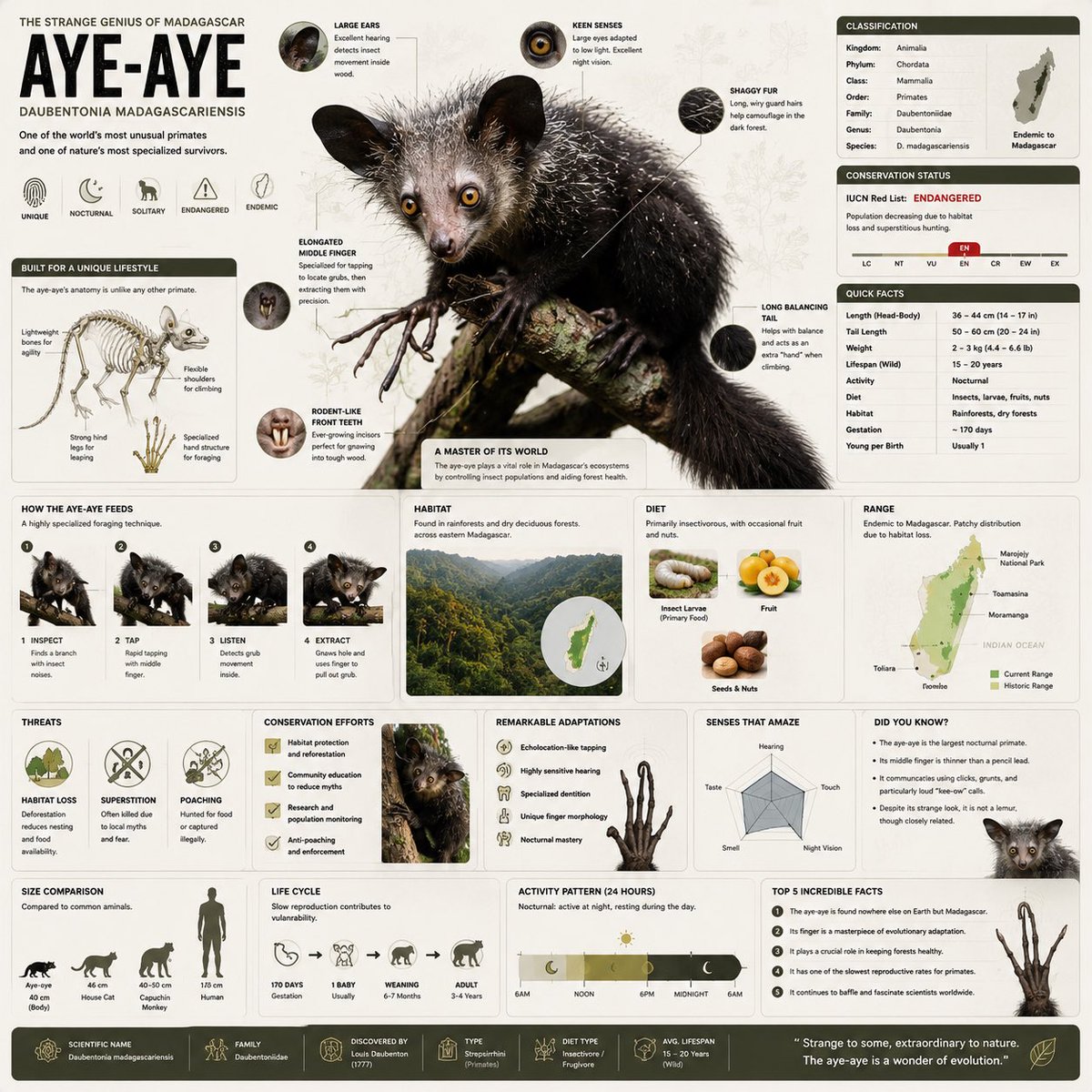
使用 GPT Image 2 在 ChatGPT 上创建的野生动物信息图 提示词; 创建一个高端的方形“参考式野生动物信息图”,围绕一种奇异而迷人的野生动物 {ANIMAL_NAME} 展开,...
中文说明
使用 GPT Image 2 在 ChatGPT 上创建的野生动物信息图 提示词; 创建一个高端的方形“参考式野生动物信息图”,围绕一种奇异而迷人的野生动物 {ANIMAL_NAME} 展开,设计成一本精心策划的自然历史手册页面,而非儿童海报。 整体构图应像一本现代视觉百科全书,融合精英动物学野外指南与高端编辑信息图系统。 视觉方向: • 1:1 方形构图 • 柔和浅色调的自然史背景,带有微妙的科学素描、植物纹理与褪色的田野日志元素 • 优雅的柔和色调,使用大地棕、苔藓绿、木炭黑、象牙白、柔和米色与淡橄榄绿点缀 • 精致的编辑级字体层级 • 圆润模块化信息卡片,间距清爽 • 柔和逼真的阴影与高端 UI 风格分隔线 • 极简科学图标 • 极其精细的中央动物渲染,以戏剧化的自然姿态呈现,达到工作室级写实效果 • 细...
原始 Prompt
Wildlife infographic image created using GPT Image 2 on ChatGPT

Prompt;

Create a premium square “reference-style wildlife infographic” centered around a strange and fascinating wild animal called the {ANIMAL_NAME}, designed as a beautifully curated natural-history handbook page rather than a children’s poster.

The composition should feel like a modern visual encyclopedia mixed with an elite zoology field guide and high-end editorial infographic system.

Visual Direction:

• 1:1 square composition
• Soft light-toned natural-history background with subtle scientific sketches, botanical textures, and faded field-journal elements
• Elegant muted palette using earthy browns, moss green, charcoal black, ivory, soft beige, and muted olive accents
• Refined editorial typography hierarchy
• Rounded modular information cards with clean spacing
• Gentle realistic shadows and premium UI-style dividers
• Minimal scientific iconography
• Extremely detailed central animal render viewed in dramatic natural pose with studio-quality realism
• Thin precision annotation lines pointing toward anatomical adaptations and survival traits
• Clean, organized “knowledge-first” layout with high information density but breathable spacing

Main Subject Presentation:

A stunning ultra-detailed realistic render of the {ANIMAL_NAME} placed at the center, featuring highly detailed fur, skin, feathers, scales, eyes, claws, textures, lighting realism, and authentic natural habitat integration.

Surround the animal with scientific callouts and magnified detail circles explaining:

• anatomical adaptations
• feeding mechanisms
• camouflage or defense systems
• sensory abilities
• locomotion style
• skeletal or muscular structure
• habitat adaptations
• survival behaviors
• evolutionary traits
• environmental interactions

Include modular infographic sections such as:

• Species Overview
• Scientific Classification
• Habitat & Geographic Range
• Diet & Feeding System
• Size & Weight Statistics
• Life Cycle & Reproduction
• Behavioral Patterns
• Predator & Threat Analysis
• Conservation Status
• Evolutionary Adaptations
• Daily Activity Timeline
• Ecosystem Role
• Comparison With Similar Species
• Skeletal or Anatomical Breakdown
• “Top 5 Incredible Facts” section
• Why This Animal Is Unique

Add small premium visualization modules like:

• habitat distribution maps
• food chain diagrams
• anatomical cutaway sketches
• sensory/radar charts
• size comparison graphics
• activity cycle timelines
• environmental adaptation visuals
• behavioral workflow diagrams
• miniature scientific field sketches
• ecosystem interaction charts

Style Keywords:

“premium zoology encyclopedia”
“editorial wildlife handbook”
“museum-quality animal reference page”
“scientific nature infographic”
“high-end biology poster”
“natural-history editorial design”
“modular wildlife knowledge system”
“ultra-detailed biological visualization”

Avoid:

• cartoon aesthetics
• childish educational poster styles
• overly colorful fantasy looks
• cluttered infographic layouts
• generic stock-animal compositions
• exaggerated fantasy anatomy

The final result should resemble a professionally published zoological reference-book page created for wildlife enthusiasts, biologists, collectors, natural-history museums, and educational archives.